Electronic Components Supplier | Transformers, Inductors, Inverters


A fierce computing war is unfolding globally. However, few people realize that the enormous power required to train AI models ultimately depends on a seemingly ordinary device – transformers. Its shortage is becoming a key bottleneck that restricts the development of AI and even affects Musk’s ambitious goals.
1.The outbreak of AI and the thirst for electricity
Artificial intelligence, especially large-scale language models, is truly an “electric tiger”. Training a GPT level model once may result in electricity consumption exceeding that of a small city for several years.
1.1 Energy Black Hole of Computing Power Center
A modern AI computing power center (data center) with power density several times higher than traditional data centers. They require 7×24 hours of uninterrupted operation and have extremely high requirements for the stability and total amount of electricity. This is not just about server power consumption, the massive cooling system also consumes an astonishing amount.
1.2 Musk’s’ All Electric Empire ‘
Elon Musk’s business landscape is essentially an ‘all electric empire’. Tesla’s electric cars, Gigafactory, Optimus robots, and xAI’s Grok model all require massive amounts of electricity. Every step of his expansion is intensifying the demand for power grid infrastructure, especially transformers.
2.Transformers: Neglected Strategic Fortress
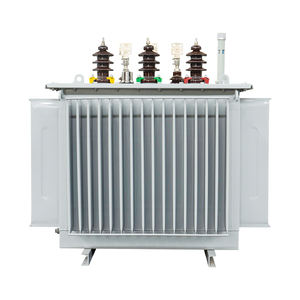
Transformers are the “heart” of the power grid, responsible for raising voltage for long-distance transmission and then lowering it to a level that can be used in factories and households. Without it, electricity cannot be delivered.
2.1 Why did suddenly become a bottleneck?
Firstly, there is an explosive growth in demand. AI computing power centers, electric vehicle charging networks, and the return of high-end manufacturing industries all require the construction or upgrading of substations, directly driving up the demand for transformers. Secondly, supply chain and production capacity issues. The supply of core materials for transformers, such as oriented silicon steel, is tight and relies on skilled craftsmen for production. The expansion cycle is long, usually requiring more than one year.
2.2 The Challenges and Actions of the United States
The domestic transformer production capacity in the United States is severely insufficient and heavily relies on imports. Faced with this strategic vulnerability, the US government is encouraging the return of manufacturing through policies such as the Inflation Reduction Act. Meanwhile, the upgrading and renovation of the power grid has been listed as a national security priority.
3.Global Perspective: A Silent Competition Around Electricity
The competition for transformers has become a global competition.
3.1 Strategic Needs of Various Countries
China, as the world’s largest producer and consumer of transformers, is making every effort to promote the “East West Calculation” project, laying out the computing power center in the energy rich western region, which requires the construction of a large number of ultra-high voltage transmission lines and supporting transformers.
Europe: Committed to energy independence and green transformation, it needs to upgrade its power grid to integrate offshore wind power and distributed photovoltaics, and there is a strong demand for efficient and energy-saving transformers.
Developing countries such as India and Southeast Asian countries are in a stage of rapid industrialization and urbanization, and the construction of basic power infrastructure has brought about a huge demand for transformer markets.
Transformers, as a traditional power equipment, have become a strategic resource in the era of AI and energy transformation. Its supply capacity directly determines the ceiling of computing power growth and the foundation of digital economy in various countries. The next time you hear about a breakthrough in AI, remember the transformers silently operating behind you.
Luoyang Datang Energy Technology Co., Ltd. is a high-tech enterprise integrating R&D, manufacturing and supply of power equipment such as transformers, new energy components, distribution cabinets and inverters. With technological innovation as the core, we focus on creating high-reliability and high-performance power solutions to serve global customers. With a strict quality control system and international standard certification, we continue to output excellent products and enable customers to build safe and stable power systems.
RELATED POSTS
The core of the new energy revolution! How can smart transformers reshape the future power grid?
Why is industrial and commercial energy storage becoming increasingly popular? Analysis of the New Trend of Enterprise Cost Reduction in 2025
How can air source heat pumps reduce household heating costs by 50% -75%?
How can Chinese manufacturing lead the recovery in 2025 as the global heat pump market undergoes a deep adjustment?
Full analysis of oil immersed transformers technology: structural principles, core advantages, and global application trends