Electronic Components Supplier | Transformers, Inductors, Inverters


1.Why is it important to select oil immersed transformers correctly
In the power system, the selection of oil immersed transformers directly affects operational safety, energy consumption costs, and service life. Improper selection may lead to increased energy consumption, frequent malfunctions, and even affect the overall project schedule. Therefore, scientific selection is particularly crucial during the procurement and design phases.
1.1 Basic classification of oil immersed transformers
At present, oil immersed transformers on the market are mainly divided into the following categories:
Distribution oil immersed transformer
Electric oil immersed transformer
Oil immersed transformer for boosting
Oil immersed transformer for voltage reduction
Different types are suitable for different application scenarios. Therefore, clarifying the purpose is the first step in selection.
1.2 Analysis of Common Application Scenarios
Oil immersed transformers are widely used in:
Urban power distribution network
industrial park
New energy power station
Infrastructure projects
In these scenarios, the requirements for capacity, loss, and reliability vary.
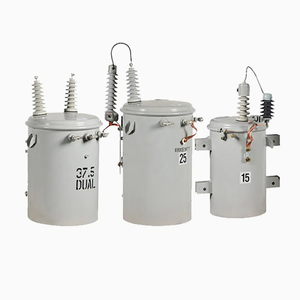
oil immersed transformers
2.Core parameters for selecting oil immersed transformers
2.1 Selection of Rated Capacity
The selection of capacity should follow the principle of “slight margin”. Small capacity can easily lead to long-term overload operation; If the capacity is too large, it will result in investment waste and increased no-load losses.
General suggestion:
Conventional load: Choose a load rate of 70% -80%
Fluctuating load: Reserve a margin of 10% -20%
2.2 Voltage level and frequency
The high and low voltage levels of oil immersed transformers must be matched with the power grid system. Common voltage levels include 10kV, 20kV, 35kV, etc. Meanwhile, it is necessary to confirm whether the frequency is 50Hz or 60Hz to meet the requirements of different countries and regions.
2.3 Selection of Copper and Aluminum Winding
This is one of the most common concerns of customers.
Copper winding: low loss, long lifespan, high price
Aluminum winding: low cost, light weight, high cost-effectiveness
In export projects, aluminum winding oil immersed transformers are more popular in price sensitive markets.
3.How to reduce the comprehensive cost of oil immersed transformers
3.1 Pay attention to the full lifecycle cost
Many customers only focus on purchasing prices but overlook operating costs. In fact, the electricity expenses caused by losses are often higher than the initial investment.
Therefore, when comparing schemes, the following should be considered simultaneously:
no-load loss
load loss
maintenance cost
3.2 Reasonable selection of cooling methods
Common cooling methods include ONAN, ONAF, etc. For ordinary power distribution projects, ONAN is already sufficient for use. Choosing excessively high configurations can actually increase costs.
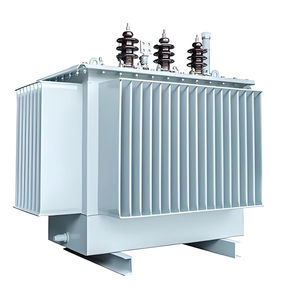
oil immersed distribution
4.Market trend of oil immersed transformers
With the continuous growth of global power investment, the oil immersed transformer market maintains stable demand. At the same time, energy-saving standards and certification requirements are constantly increasing.
4.1 High efficiency and energy conservation become mainstream
Low loss design has become an important selling point for oil immersed transformers. Products that comply with international standards such as IEC and IEEE are more likely to enter overseas markets.
4.2 The export market continues to expand
There is a strong demand for oil immersed transformers in regions such as the Middle East, Africa, and Southeast Asia, where price competition and quality requirements coexist.
RELATED POSTS
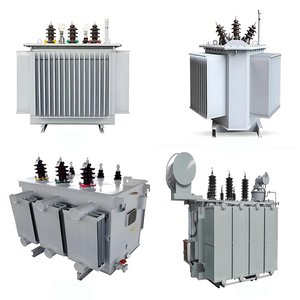
Future Development Trends of Energy Storage Technology and Transformers: Key Elements of Global Energy Transition
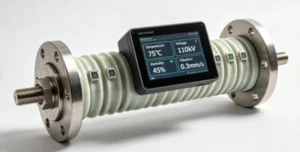
Why Transformer Bushings Are Becoming One of the Most Critical Components in Modern Power Systems
The Heart of Power: How Transformer Copper Winding Is Shaping a More Efficient Grid

Beyond the boundaries of electric transmission: the rise and application of Thyristor Switch Module

Oil-immersed transformer: the guardian of stable electricity in the field of transportation