Electronic Components Supplier | Transformers, Inductors, Inverters


Against the backdrop of rapid development of new energy, energy storage systems are becoming the “new core” of the power industry.
Whether it is photovoltaic energy storage, grid side energy storage, or industrial and commercial energy storage projects, they all rely on a key equipment – energy storage transformers.
So, why do energy storage systems have to be equipped with transformers? How to choose in different application scenarios? Below is the system analysis for you.
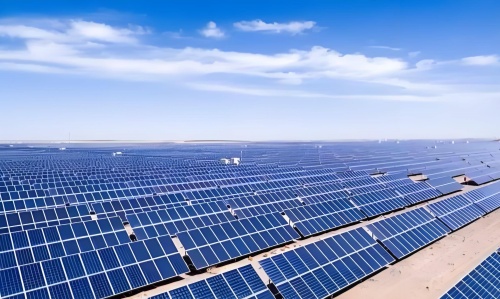
photovoltaic energy storage
1.The rapid development background of energy storage systems
1.1 Continuous growth of new energy installed capacity
In recent years, the installed capacity of photovoltaic and wind power has continued to rise.
But problems also arise:
- Unstable power generation
- Obvious peak valley difference
- The pressure of power grid regulation is high
Therefore, energy storage systems are widely used for peak shaving and valley filling, stabilizing the power grid, and improving the consumption rate of new energy.
1.2 Basic structure of energy storage system
A complete energy storage system typically includes:
- Battery Pack System
- PCS energy storage converter
- energy storage transformer
- Switchgear and Monitoring System
Among them, the energy storage transformer is the core link that connects the energy storage equipment with the power grid.
2.The role of energy storage transformers in the system
2.1 Voltage matching and energy transfer
Energy storage batteries typically operate in low voltage DC or low voltage AC states.
The voltage on the grid side is relatively high.
At this point, an energy storage transformer is needed to complete:
- Boost or buck
- Voltage level matching
- Safe isolation
It can be said that without a transformer, the energy storage system cannot be connected to the grid for operation.
2.2 Improving System Security
Through transformer isolation, energy storage systems can effectively:
- Prevent direct impact of fault current on the battery
- Reduce the risk of short circuit
- Enhance the overall operational safety level
This is particularly important for large energy storage power plants.
3.Common types of transformers used in energy storage systems
3.1 Dry type transformer
Dry type transformers are widely used in energy storage projects, mainly due to:
- Oil free design, good fire resistance
- Low maintenance cost
- Suitable for indoor and containerized energy storage systems
Especially in industrial and commercial energy storage projects, dry-type transformers are almost the first choice.
3.2 Oil immersed Transformer
For large capacity energy storage power stations, oil immersed transformers are still irreplaceable:
- Strong heat dissipation capability
- Suitable for high-capacity, continuous operation
- cost-effective
Usually used for grid side energy storage or centralized energy storage projects.
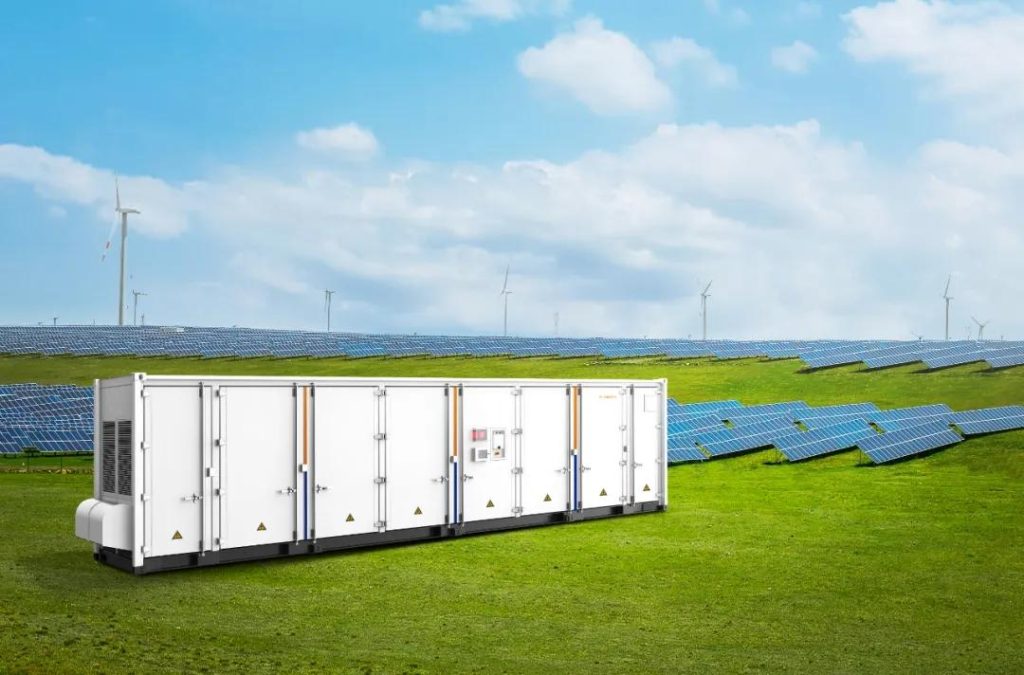
Energy storage systems
4.Key points for selecting energy storage transformers
4.1 Capacity and Voltage Level
When selecting, special attention should be paid to:
- PCS output voltage
- Grid connected voltage level
- Actual load demand
Avoid insufficient capacity or excessive configuration.
4.2 Standards and Certification Requirements
Export energy storage projects typically require compliance with:
- IEC standards
- CE Certification
- Some countries require UL or other local certifications
Confirming standards in advance helps to ensure smooth project delivery.
5.Future trend: Deep integration of energy storage and transformers
With the continuous expansion of the energy storage market, transformers will present the following trends in the future:
- Higher energy efficiency
- More compact design
- More intelligent monitoring
Energy storage and transformers are becoming inseparable integrated devices in new energy systems.
RELATED POSTS
Application of capacitors in EMC: key technologies to decipher electromagnetic compatibility
Working principle and application of dry-type transformer
The Ultimate Guide to Integrating Renewables: Powering a Sustainable Future
Power Distribution Transformers: The Backbone of Modern Electrical Grids

"Shocking" News: Growatt Transformers Don’t Just Transform Voltage – They Transform Your Business!