


Electronic Components Supplier | Transformers, Inductors, Inverters


In practical projects, the problem of selecting the wrong model for dry-type transformers is very common.
The capacity is sufficient, but the temperature rise exceeds the standard;
Voltage matching, but noise is not qualified;
Parameter compliance, but overseas acceptance failed.
This article will delve into the most critical but easily overlooked technical details of dry-type transformers from the perspective of engineering selection.
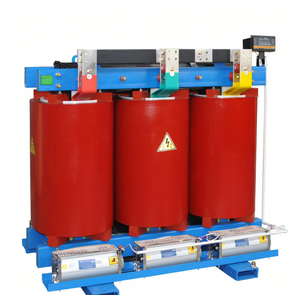
1.Capacity selection: You cannot just look at kVA
1.1 Continuous load and intermittent load
Dry-type transformers are highly sensitive to ambient temperature and require appropriate derating in the following scenarios:
- high altitude
- high temperature environment
- Closed computer room
1.2 Overload Capacity Assessment
The short-term overload capacity of epoxy cast dry-type transformers is significantly weaker than that of oil immersed transformers, and the load curve needs to be evaluated in advance.
2.Voltage level and wiring group
Common combinations:
- 10kV / 0.4kV
- 20kV / 0.4kV
The wiring group should match the system protection logic, such as:
- Dyn11
- Yyn0
3.Insulation level and temperature rise design
| Insulation Class | Typical Temperature Rise |
|---|---|
| Class F | 100K |
| Class H | 125K |
When choosing, consider long-term operating temperature rather than short-term limits.
4.Selection of cooling method
AN: Natural cooling, low noise
AF: Forced air cooling, capacity can be increased by 30-40%
But the reliability and maintenance of the fan also need to be taken into consideration.
5.Partial discharge level
High quality dry-type transformers typically require:
- Partial discharge ≤ 10 pC
This is one of the core indicators for overseas project acceptance.
6.Noise control
Noise often becomes a veto in data center and commercial building projects.
Attention should be paid to:
- core structure
- Shock absorption design
- Installation foundation
7.Protection level and environmental adaptability
Common levels:
- IP00 (indoor)
- IP23/IP31 (anti drip, anti foreign object)
8.Energy efficiency and loss indicators
Critical loss parameters:
- no-load loss
- load loss
The EU and North American markets have particularly strict requirements for this.
9.Standards, certifications, and documents
Common requirements:
- IEC / IEEE
- CE
- ISO system documents
10Hidden risks of export projects
Wooden crate packaging standard
Shipping moisture prevention
Technical document language
Dry-type transformers are not necessarily “the better the parameter table, the safer it is”, but rather highly coupled system equipment with application scenarios.
The truly professional selection is a comprehensive reflection of technical understanding, engineering experience, and standard awareness.
Luoyang Datang Energy Technology Co., Ltd. is a high-tech enterprise integrating R&D, manufacturing and supply of power equipment such as transformers, new energy components, distribution cabinets and inverters. With technological innovation as the core, we focus on creating high-reliability and high-performance power solutions to serve global customers. With a strict quality control system and international standard certification, we continue to output excellent products and enable customers to build safe and stable power systems.
RELATED POSTS

Agrivoltaic Systems Engineering & Farm Microgrid Integration: The Future of Solar-Powered Agriculture

The global power transformer market is expected to reach USD 33.7 billion by 2028, growing at a CAGR of 6.8% during the forecast period.
Data shows that the usage of natural gas and coal for power generation in the UK is at its lowest level since 1957

Yitong of diodes, transistors and thyristors

Beyond the boundaries of electric transmission: the rise and application of Thyristor Switch Module
