


Electronic Components Supplier | Transformers, Inductors, Inverters


The ‘information black box’ of traditional transformers is being broken
In traditional power systems, transformers have long played the role of “silent devices” – as long as they do not trip or emit smoke, they are assumed to operate safely. However, with the increasing proportion of new energy grid connection, intensified load fluctuations, and increased complexity of distribution systems, this “post maintenance, experience based operation and maintenance” model is exposing huge risks.
In this context, the integration of Smart Transformer and Internet of Things (IoT) technology is fundamentally changing the operation, maintenance, and management of transformers, upgrading them from passive devices to intelligent nodes that are perceptible, analyzable, and decidable.
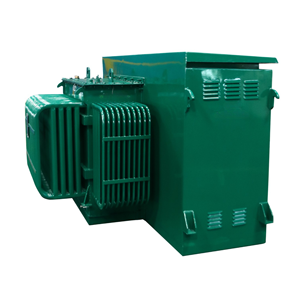
1.What is an Smart Transformer? Not just ‘adding sensors’
Smart Transformers are not simply installing thermometers or meters on traditional transformers, but rather a system engineering that integrates the sensing layer, communication layer, platform layer, and application layer. The core goal is to achieve digital management of the transformer’s full state, full cycle, and full scenario.
Its typical features include:
- Multi parameter online monitoring: temperature, load, current, voltage, gas in oil, partial discharge, vibration, humidity, etc
- Edge computing capability: perform preliminary data analysis locally to reduce communication burden
- Remote communication capability: through 4G/5G, NB IoT, Ethernet or fiber optic access systems
- Data platform linkage: seamless integration with SCADA, EMS, DMS or cloud platforms
This has transformed the transformer from a ‘device’ to a data source and decision-making node in the power grid.
2.Core application scenarios of IoT in transformers
2.1 Real time monitoring of operating status
By deploying temperature sensors, current transformers, and voltage acquisition modules, the system can real-time monitor:
- Temperature rise change of winding
- Load rate and overload trend
- Three phase imbalance situation
These data provide a quantitative basis for determining whether the transformer is in the “healthy operating range”.
2.2 Hotspot and Insulation Risk Warning
In oil immersed transformers, the hot spot temperature is highly correlated with the aging of oil paper insulation.
IoT systems can be combined with:
- oil temperature
- ambient temperature
- load curve
By calculating the hot spot temperature of the winding through the model, the risk of insulation aging can be alerted in advance to avoid sudden failures.
2.3 Partial discharge and early defect identification
With the help of ultrasound, UHF, or high-frequency current sensing technology, IoT systems can continuously monitor partial discharge signals and early identify the following issues:
- Insulation crack
- Moisture intrusion
- structure looseness
Such defects are often difficult to detect in traditional inspections, but they are the source of major accidents.
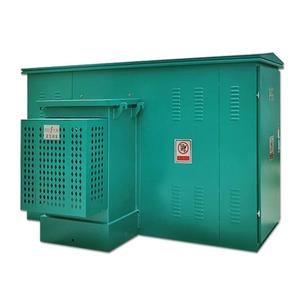
Intelligent Transformer
3.The value enhancement of Smart Transformers to the power grid system
3.1 Moving from “Regular Maintenance” to “Condition Maintenance”
Traditional mode:
Annual or monthly maintenance, but without knowing the true condition of the equipment
Intelligent mode:
Determine whether maintenance is required based on real-time data
The result is:
The frequency of maintenance has decreased
Improve the utilization rate of operation and maintenance resources
Significant reduction in labor costs
3.2 Improving Power Supply Reliability and System Resilience
Through early warning and risk classification, transformer failures are no longer a “sudden event”, but a predictable and manageable process, particularly critical for industrial users, data centers, and new energy power stations.
3.3 Provide underlying data for digital grids and virtual power plants
The data generated by Smart Transformers can further support:
- load forecasting
- Distributed energy dispatch
- Digital twin modeling of power grid
4.Future oriented: Smart Transformers are the infrastructure of the “new power system”
Under the global trend of promoting carbon neutrality and digitalization of power systems, transformers are upgrading from “power equipment” to “energy information nodes”.
Whoever holds the data holds the initiative in the system.
For manufacturers, this is an opportunity for product upgrades;
For the power grid and property owners, this is the key path to reducing the full lifecycle cost.
Luoyang Datang Energy Technology Co., Ltd. is a high-tech enterprise integrating R&D, manufacturing and supply of power equipment such as transformers, new energy components, distribution cabinets and inverters. With technological innovation as the core, we focus on creating high-reliability and high-performance power solutions to serve global customers. With a strict quality control system and international standard certification, we continue to output excellent products and enable customers to build safe and stable power systems.
RELATED POSTS
From local to short circuit: How can gas relays accurately identify internal faults in transformers? (with engineering case analysis attached)
The Ultimate Guide to 1000kVA Hermetically Sealed Oil Immersed Transformer

Home Energy System Power Inverter WVC-2000 leads a new trend in the home energy field
Power Solar Inverter: Can It Power Your Home?
An indispensable key equipment in the chemical industry: DN40-100 industrial butterfly valve
