Electronic Components Supplier | Transformers, Inductors, Inverters


From Passive Solar to Intelligent Solar
The global energy transition is entering a new phase. Solar power, once considered a passive and intermittent energy source, is now being transformed into an intelligent, adaptive system through Artificial Intelligence (AI).
In 2026, AI is no longer a “nice-to-have” in solar energy—it is becoming a core infrastructure layer. From predictive maintenance to grid optimization, AI is redefining how solar systems are designed, operated, and monetized.
This article explores how AI is revolutionizing solar power systems, with real-world applications, technical frameworks, and future trends.
1. The Architecture of AI-Powered Solar Systems
Modern solar systems are evolving into cyber-physical energy networks. AI sits at the center, connecting hardware and data.
Key Components:
| Layer | Technology | Function |
|---|---|---|
| Data Acquisition | IoT Sensors, Smart Meters | Real-time monitoring of voltage, temperature, irradiance |
| Data Processing | Edge Computing, Cloud AI | Fast data processing and model execution |
| Intelligence Layer | Machine Learning Models | Forecasting, anomaly detection |
| Control Layer | SCADA + AI | Automated decision-making |
| Grid Integration | Smart Grid Systems | Load balancing, demand response |
Technical Insight:
- AI models use time-series forecasting (LSTM, Transformer models)
- Real-time optimization often uses reinforcement learning (RL)
- Fault detection relies on computer vision + anomaly detection algorithms
2. Predictive Maintenance: From Reactive to Proactiv
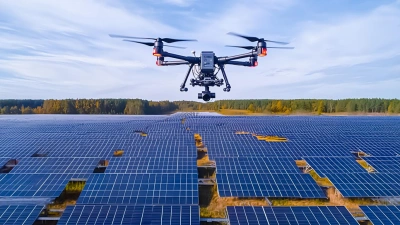
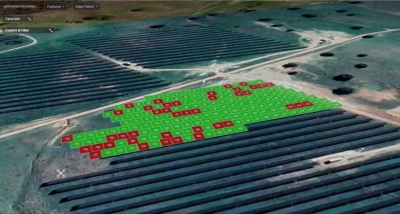
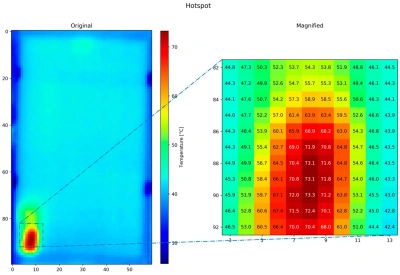
Traditional solar maintenance is reactive—failures are detected after performance drops.
AI changes this completely.
How AI Predicts Failures:
| Data Source | AI Application | Outcome |
|---|---|---|
| Thermal images | Computer vision | Detect hotspots before failure |
| Electrical signals | Anomaly detection | Identify inverter issues |
| Weather data | Predictive modeling | Forecast degradation |
| Historical logs | ML models | Failure probability scoring |
Business Impact:
- Reduce O&M costs by 20–40%
- Increase system uptime by 10–25%
- Extend asset lifespan
3. AI-Based Solar Forecasting & Grid Stability
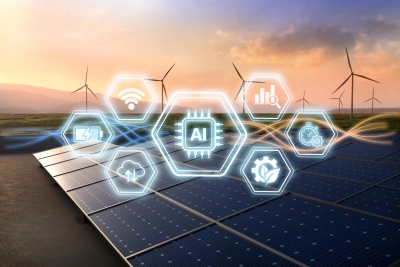
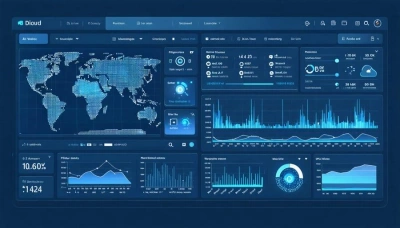
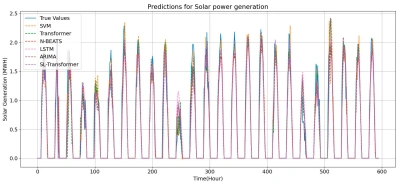
One of the biggest challenges of solar power is intermittency. AI solves this through ultra-accurate forecasting.
Forecasting Models:
| Model Type | Input Data | Accuracy Improvement |
|---|---|---|
| LSTM Networks | Historical generation | +15–25% |
| Satellite-based AI | Cloud movement | +20–30% |
| Hybrid Models | Weather + IoT | +30–40% |
Key Use Cases:
- Grid dispatch optimization
- Energy trading strategies
- Battery storage scheduling
4. AI + Energy Storage: The Smart Solar Ecosystem
Solar alone is not enough—storage is essential.
AI integrates solar with battery systems to create self-optimizing energy ecosystems.
AI Optimization Scenarios:
| Scenario | AI Decision |
|---|---|
| Peak pricing | Store energy |
| High demand | Discharge battery |
| Grid instability | Stabilize output |
| Low solar output | Switch to backup |
Advanced Technologies:
- AI-driven Battery Management Systems (BMS)
- Digital twin simulation for solar-storage plants
- Multi-objective optimization (cost vs performance)
5. AI in Utility-Scale Solar Farms
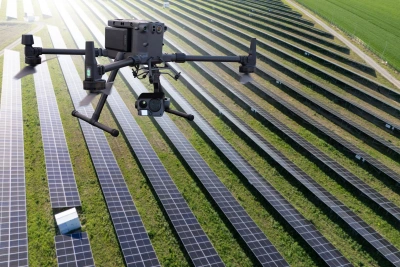
Utility-scale solar farms are becoming fully automated power plants.
AI Applications:
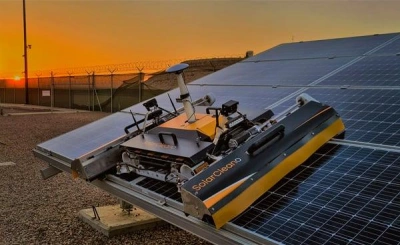
- Autonomous cleaning robots
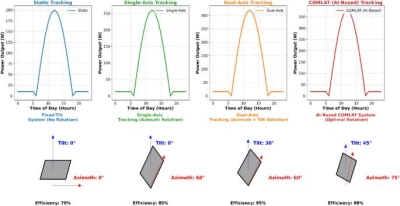
- AI-based solar tracking systems
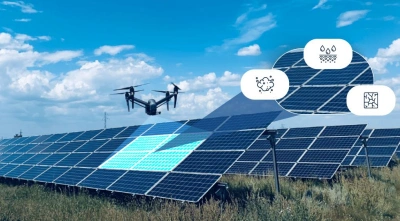
- Drone inspection with computer vision
- Real-time efficiency optimization
Case Study Insight:
AI can increase overall plant efficiency by 5–15%, which translates into millions of dollars annually in large projects.
6. Future Trends: Towards Autonomous Energy Systems
The next frontier is fully autonomous solar infrastructure.
Emerging Trends:
- AI + Digital Twins for real-time simulation
- Blockchain + AI for energy trading
- Self-healing grids
- AI-designed solar farms
AI is transforming solar power from a static energy source into a dynamic, intelligent system. For manufacturers, EPC contractors, and energy investors, adopting AI is no longer optional—it is a competitive necessity.
Companies that integrate AI into their solar solutions will lead the next decade of energy innovation.
Luoyang Datang Energy Technology Co., Ltd. is a high-tech enterprise integrating R&D, manufacturing and supply of power equipment such as transformers, new energy components, distribution cabinets and inverters. With technological innovation as the core, we focus on creating high-reliability and high-performance power solutions to serve global customers. With a strict quality control system and international standard certification, we continue to output excellent products and enable customers to build safe and stable power systems.
RELATED POSTS

BT152 Thyristor: a key component in power control

Revealing the Off-Grid Solar Inverter: The wisdom and power of solar off-grid inverters

Oil immersed transformer: a key role in ensuring stable power supply in buildings
The role of relays in power systems: selection points and industry trend analysis

How efficient is the on-grid solar inverter?