Electronic Components Supplier | Transformers, Inductors, Inverters


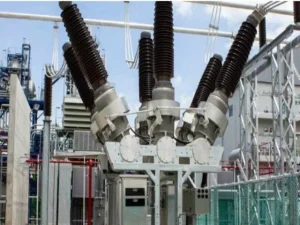
A transformer is often described as a smart asset, but its intelligence actually depends on the performance of its critical accessories. Components such as high-voltage bushings, on-load tap changers (OLTCs), and dehydrating breathers are responsible for insulation integrity, voltage regulation, and moisture control. By integrating IoT sensors into these accessories, utilities can move from scheduled maintenance to real-time condition monitoring and predictive asset management.
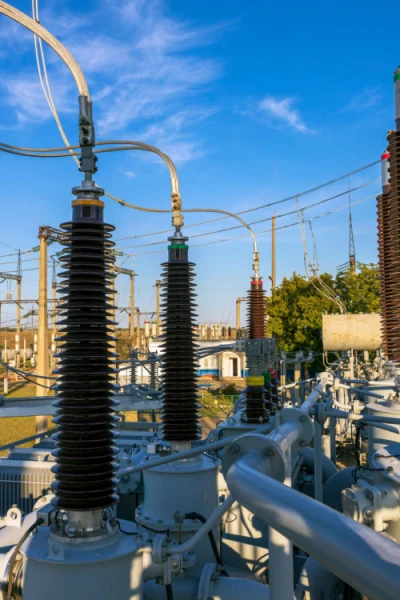
1. Smart Bushings: Continuous Insulation Health Monitoring
Transformer bushings are among the most critical insulation components in a power transformer. Their failure can lead to severe outages, equipment damage, and even transformer fires.
Online Capacitance and Dissipation Factor Monitoring
Traditional insulation tests are performed during scheduled outages, providing only periodic snapshots of equipment condition. Smart bushings continuously monitor leakage current, capacitance, and dissipation factor (tan δ), allowing operators to identify insulation ageing long before it becomes critical.
Transient Overvoltage Detection
Integrated high-speed sensors record lightning impulses and switching surges that pass through the bushing. These events are analyzed in real time to evaluate dielectric stress and thermal impact, providing valuable data for asset health assessment.
2. Intelligent On-Load Tap Changers (OLTC): Mechanical Condition Monitoring
As the only major moving component inside a transformer, the OLTC is naturally subject to mechanical wear throughout its service life.
Vibration Signature Analysis
Accelerometers installed on the OLTC housing capture vibration patterns during every tap-changing operation. AI-based algorithms compare these signatures with historical baseline data to detect abnormal conditions such as contact wear, gear backlash, or increased operating resistance.
Motor Drive Current Monitoring
Monitoring the motor drive current provides another effective method for evaluating OLTC health. An increase in operating current often indicates lubrication degradation, mechanical obstruction, or excessive friction. Detecting these changes early helps prevent tap changer failures and unplanned outages.
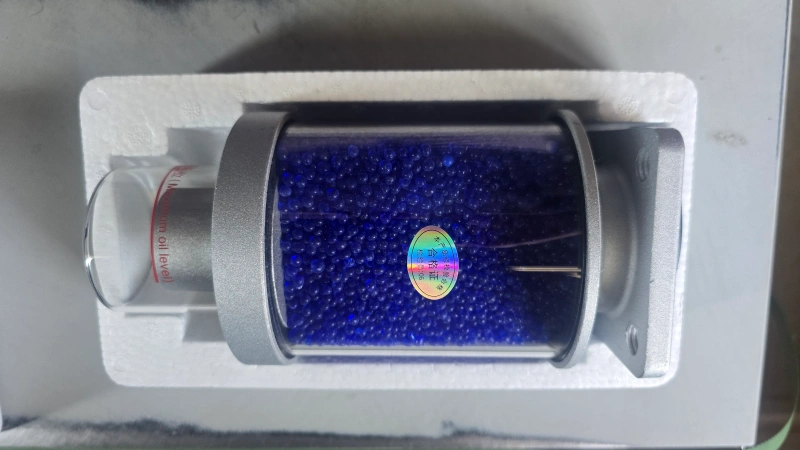
3. Smart Dehydrating Breathers: Automated Moisture Control
Moisture is one of the primary causes of insulation paper ageing and reduced transformer life.
Automatic Desiccant Regeneration
Modern smart breathers use humidity and temperature sensors to continuously monitor the saturation level of silica gel. Once the desiccant reaches a predefined moisture threshold, an integrated heating system automatically regenerates the silica gel while isolating the transformer from ambient air, maintaining effective moisture protection without manual intervention.
Remote Monitoring and Predictive Maintenance
Operating parameters—including desiccant condition, heater status, ambient humidity, and moisture ingress rate—are transmitted to SCADA or cloud-based asset management platforms through industrial communication protocols such as MQTT. Maintenance personnel receive alerts before performance degrades, eliminating routine visual inspections and improving maintenance efficiency.
RELATED POSTS
Opening a new era of high efficiency —— to explore the infinite possibilities of high-power thyristor

External Heat Sink: An Effective Solution for Heat Management
The power industry is undergoing technological innovation, with 100kVA, 11kV, and 33kV transformers helping to upgrade the power grid
The combination and market prospects of oil immersed transformers and artificial intelligence technology
Box Type Transformer: 7 Reasons Why It’s the Top Choice for Modern Power Distribution