


Electronic Components Supplier | Transformers, Inductors, Inverters


Key takeaways
- Moisture ingress, insulation aging, mechanical stress, overvoltage, and surface contamination are the primary causes of transformer bushing failure.
- Early detection through visual inspections, dissolved gas analysis, and online monitoring of capacitance and power factor can prevent catastrophic failures.
- Prevention strategies include regular cleaning, proper installation, surge protection, and condition-based maintenance guided by real-time monitoring.
What Causes Transformer Bushing Failure and How to Prevent It
Transformer bushings insulate high-voltage conductors passing through grounded transformer tanks. Their failure can cause costly outages, equipment damage, and safety hazards. This article describes the primary causes of bushing failure and prevention strategies to extend bushing life and maintain transformer reliability.
Common failure causes include moisture ingress, insulation degradation, mechanical stress, overvoltage, and contamination. Prevention focuses on regular monitoring, proper maintenance, and environmental control. Understanding these factors helps operators reduce failure risks and improve grid stability.
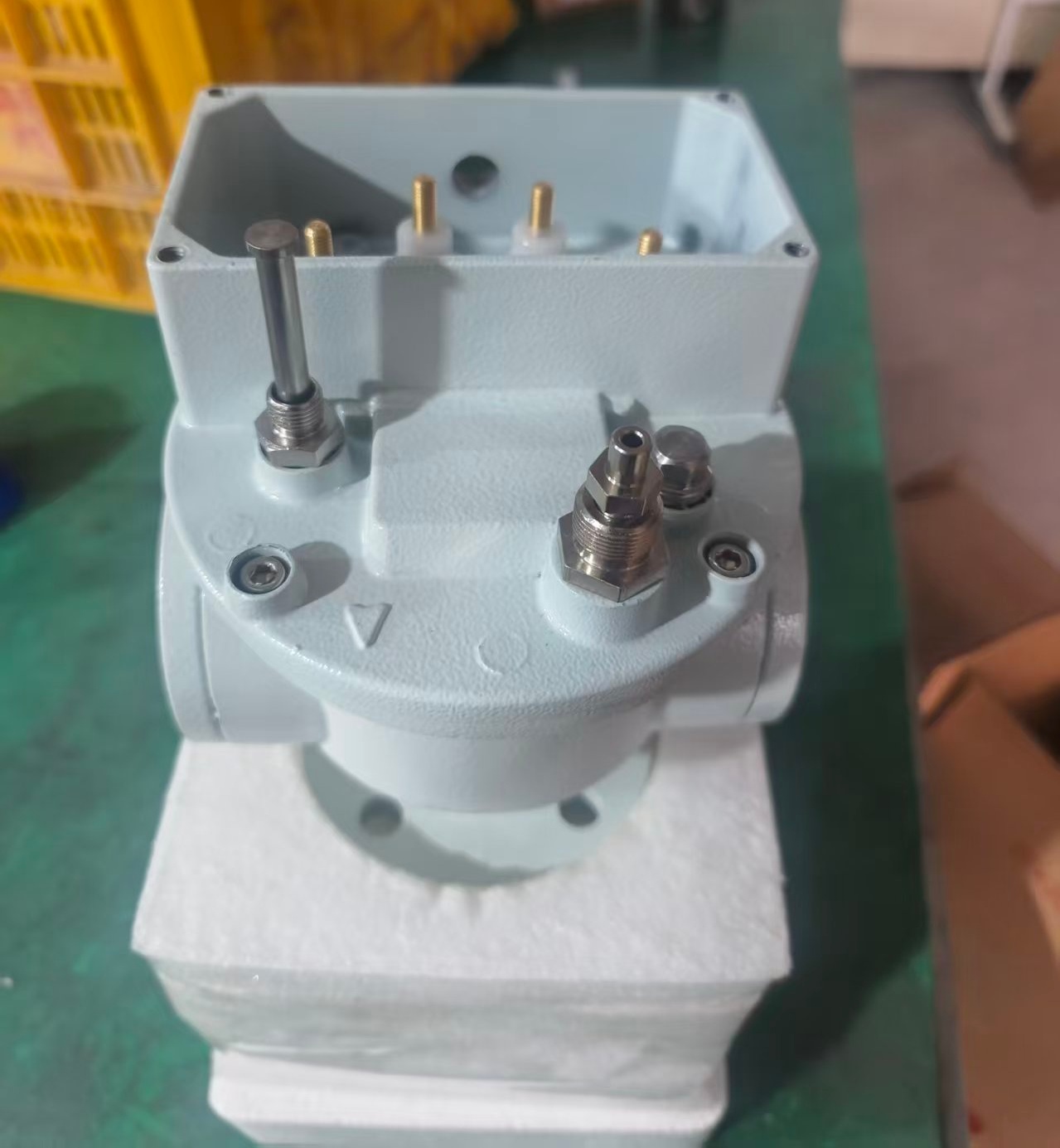
Main Causes of Transformer Bushing Failure
Moisture ingress is one of the most frequent causes of bushing failure. When water enters the bushing insulation system, it reduces dielectric strength and can lead to partial discharge, tracking, and flashover. Moisture can enter through damaged seals, improper gaskets, or condensation under certain operating conditions.
Insulation aging and degradation occur over time from thermal, electrical, and environmental stresses. The paper-oil insulation system in oil-impregnated bushings gradually loses its dielectric properties, especially when operated above rated temperatures or subjected to frequent load cycling. This degradation accelerates failure risk.
Mechanical stress, such as vibration, earthquake, or improper installation, can crack the porcelain or composite housing, damage internal connections, or cause oil leaks. Understanding why transformer oil leaks occur is critical for preventing bushing failure. Fractured bushings are prone to flashover and catastrophic failure. Overvoltage events, including lightning strikes and switching surges, can also puncture the insulation barrier if the bushing's basic impulse level (BIL) is exceeded.
Surface contamination from salt, dust, pollution, or industrial fallout creates conductive paths on the bushing surface, leading to leakage currents and dry-band arcing. This is especially problematic in coastal or industrial environments. Internal contamination, such as carbon particles from arcing, can also degrade the insulation.
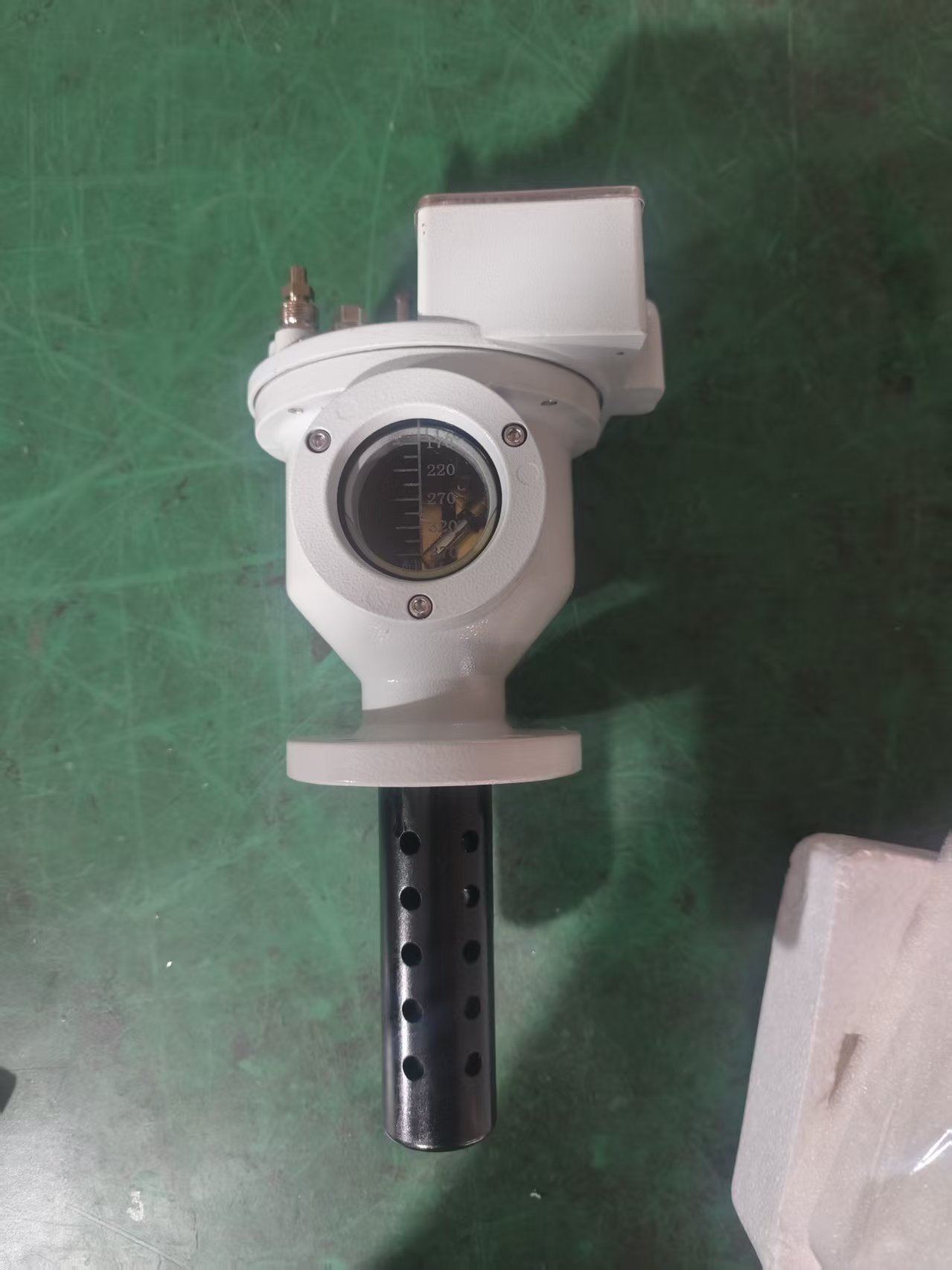
Signs of Impending Bushing Failure
Early detection of bushing degradation can prevent catastrophic failures. Common signs include visible oil leaks, which can be detected by oil level indicators, cracked or chipped porcelain, discoloration, and unusual noise (buzzing or humming) from partial discharge. Infrared thermography may reveal hot spots indicating increased resistance or internal arcing.
Dissolved gas analysis (DGA) of bushing oil can detect abnormal gas levels (e.g., hydrogen, acetylene) that indicate arcing or overheating. Online monitoring of capacitance and power factor (tan delta) is also effective for assessing insulation condition. A sudden increase in power factor or capacitance deviation often signals deterioration.
How to Prevent Transformer Bushing Failure
Regular inspection and maintenance are the foundation of prevention. Visual inspections should check for oil leaks, cracks, discoloration, and contamination. Scheduled cleaning of bushing surfaces using appropriate methods (e.g., deionized water, non-abrasive cleaners) removes pollution that can cause leakage currents.
Implementing online monitoring systems for partial discharge, capacitance, and power factor, including IoT sensors for grid reliability, provides real-time data on bushing health, enabling condition-based maintenance and early warning of developing faults. Periodic dielectric testing of bushing oil (e.g., breakdown voltage, moisture content, DGA) is also recommended.
Proper installation and handling reduce mechanical stress. Install bushings according to manufacturer specifications, with correct torque on connections and proper alignment. Avoid over-tightening or using incompatible gaskets. During transport, protect bushings from shock and vibration.
Environmental controls, such as bushings with composite silicone rubber housings, can be used in high-pollution areas to reduce surface contamination. Surge arresters near the transformer can limit overvoltage stresses. Keeping the transformer in a controlled environment (e.g., avoiding extreme temperature swings) also helps reduce moisture condensation.
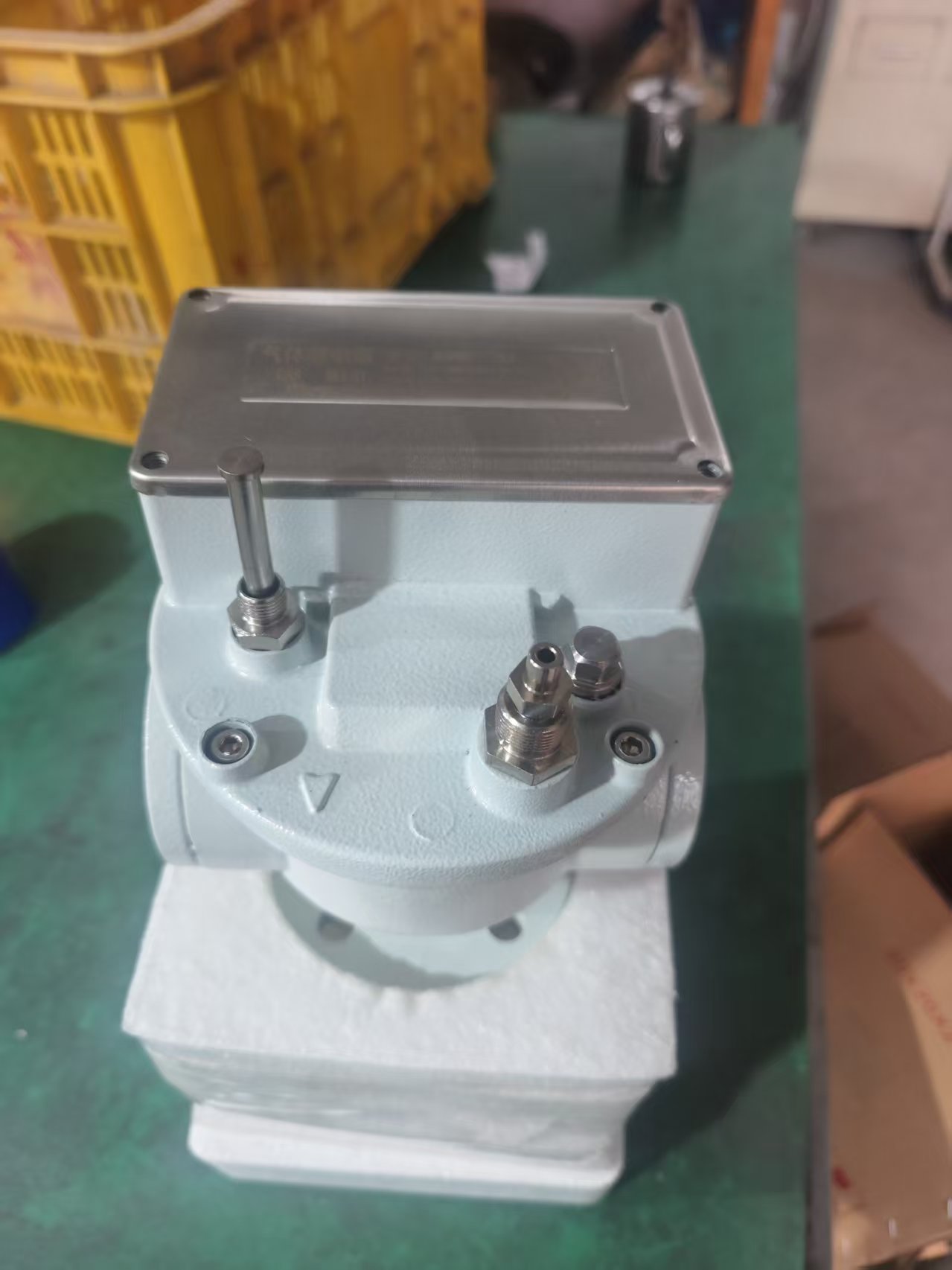
Bushing Replacement and Repair Considerations
When a bushing is degraded beyond acceptable limits, replacement is often the safest option. The replacement process requires de-energizing the transformer, removing the oil, and carefully extracting the old bushing. The new bushing must be compatible with the transformer's voltage, current, and insulation class.
Minor repairs such as replacing gaskets, cleaning contaminated surfaces, or re-oiling can extend the life of a bushing in some cases. However, any internal insulation damage typically requires replacement. Always follow manufacturer guidelines and consider consulting experienced transformer service providers.
Frequently asked questions
How often should transformer bushings be inspected?
Visual inspections should be performed at least annually, or more frequently in harsh environments. Online monitoring systems provide continuous data, while periodic dielectric testing of bushing oil is recommended every 3–5 years depending on operating conditions.
Can a leaking bushing be repaired?
Minor oil leaks often result from damaged gaskets or seals and can be repaired by replacing the seals. However, if the leak is due to a cracked housing or internal damage, the bushing should be replaced to avoid safety risks.
What is the typical lifespan of a transformer bushing?
With proper maintenance, oil-impregnated paper bushings can last 20–30 years. Lifespan depends on operating temperature, load cycles, environmental conditions, and maintenance practices.
Luoyang Datang Energy Technology Co., Ltd. is a high-tech enterprise integrating R&D, manufacturing and supply of power equipment such as transformers, new energy components, distribution cabinets and inverters. With technological innovation as the core, we focus on creating high-reliability and high-performance power solutions to serve global customers. With a strict quality control system and international standard certification, we continue to output excellent products and enable customers to build safe and stable power systems.
RELATED POSTS

EV Charging Station Transformer: Types, Design and Technical Requirements
SCR: the “intelligent brain” that controls the heater

How does the Fast Speed Soft Recovery Diode perform in extreme application environments such as high voltage and current?
How to select and use controllable single-phase thyristors
Oil immersed power regulators for industrial electric furnaces help improve production efficiency and quality control
