Electronic Components Supplier | Transformers, Inductors, Inverters


Key takeaways
- Silica gel in transformer breathers prevents moisture ingress; saturation compromises this protection and risks transformer failure.
- Regular visual inspection of silica gel color (blue to pink or orange to clear) is the primary detection method.
- Replace saturated silica gel promptly according to manufacturer intervals or when 30–50% of the gel has changed color.
- Maintain the entire breather system including oil cup, seals, and piping to ensure effective moisture management.
Understanding the Role of Silica Gel in Transformer Protection
Transformer breathers are critical transformer protection accessories that use silica gel to absorb moisture from incoming air. As air passes through the desiccant, water vapor is trapped, preventing contamination of the insulating oil. When the silica gel becomes saturated, it loses its moisture-absorbing capacity, allowing humidity to reach the oil and paper insulation, which can lead to reduced dielectric strength, accelerated aging, and eventual transformer failure.
The primary mechanism to avoid such failure is to monitor and replace saturated silica gel before moisture breakthrough occurs. This requires a clear understanding of how silica gel behaves, how to detect saturation, and what steps to take when it is identified.
Why Silica Gel Saturation Leads to Transformer Failure
Saturated silica gel can no longer adsorb moisture. If the breather is still in service, humid air will pass directly into the conservator tank. Dissolved water in the oil increases, and moisture transfers to the cellulose insulation, reducing its mechanical and electrical strength. Partial discharge, breakdown, and flashover become more likely under high voltage stress.
Even a brief period of saturated gel can cause irreversible damage if the ambient humidity is high. Therefore, saturation is not merely a performance reduction but a direct risk to transformer reliability.
Detecting Silica Gel Saturation: Visual and Instrumental Methods
Most silica gels are impregnated with a color indicator. Typical changes are from blue (active) to pink (saturated) for cobalt-based types, or from orange to colorless for cobalt-free alternatives. Regular visual inspection of the breather window is the simplest detection method. The frequency should align with the transformer's environmental conditions and manufacturer recommendations.
For more precise monitoring, online humidity sensors in the conservator or oil can indicate increasing moisture content. Some breathers incorporate a humidity indicator card or a timer-based replacement schedule. Verify that the gel is saturated and not merely discolored due to other factors such as oil contamination or aging.
Best Practices to Avoid Transformer Failure from Silica Gel Saturation
Establish a regular inspection schedule based on transformer load, ambient humidity, and operating temperature. For outdoor transformers in humid climates, weekly checks may be necessary; for indoor units, monthly checks might suffice. Replace silica gel when more than 30% to 50% of the visible gel has changed color, or at the intervals specified by the transformer OEM.
When replacing, follow a safe maintenance procedure: isolate the breather from the transformer, depressurize if applicable, remove the old gel, clean the breather chamber, and refill with fresh gel. Ensure the breather’s oil seal is intact and functioning, as a faulty seal can bypass the gel entirely. Record the replacement date and condition for future trend analysis.
Consider using dual-chamber breathers that allow switching without taking the transformer offline, or automatic breathers that regenerate the desiccant. These can reduce the risk of saturation during high‑load periods, and choosing the right OIP vs RIP bushings for your application adds another layer of protection.
Maintaining the Entire Breather System for Long‑Term Reliability
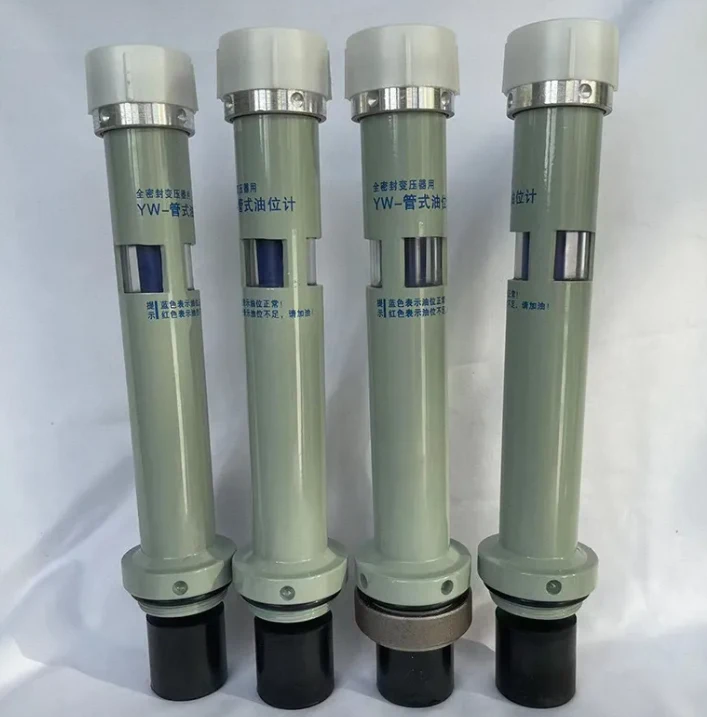
The silica gel breather is only one part of the transformer's moisture management system. The conservator tank’s oil level, the membrane if present, the piping to the main tank, and bushing overheating solutions must also be maintained as part of the system. A leaking gasket or a blocked vent can cause pressure differences or allow moisture ingress even with fresh gel.
Inspect the breather oil cup regularly to ensure it contains the correct oil type and level. A low or contaminated oil cup will allow unfiltered air to enter. Also check for cracks or corrosion in the breather body. Routine thermography and dissolved gas analysis (DGA) can provide early warning of moisture‑related problems that may originate from saturation events.
By integrating silica gel monitoring into a broader preventive maintenance program, transformer operators can significantly reduce the probability of failure caused by moisture ingress.
Frequently Asked Questions About Silica Gel and Transformer Failure
Q: How often should silica gel be replaced? A: Replacement frequency depends on operating environment and transformer load. In typical conditions, replace every 3–6 months or when more than half of the gel shows color change. Always follow manufacturer specifications.
Q: Can I reuse saturated silica gel? A: Silica gel can be regenerated by heating (usually at 100–120°C for several hours) until the color returns. However, repeated regeneration may reduce its capacity. For critical transformers, fresh gel is recommended.
Q: What happens if I ignore a saturated breather? A: Moisture will enter the transformer, degrading oil and paper insulation. Over time, this leads to reduced breakdown voltage, increased partial discharge, and eventual failure. Costly repairs or replacement may be required.
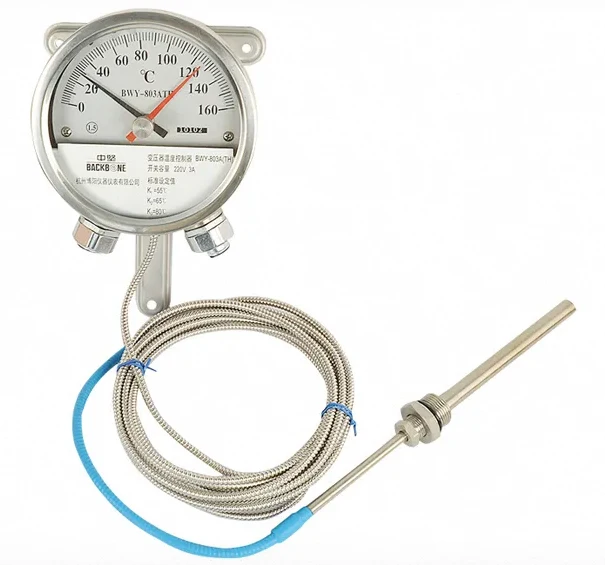
Frequently asked questions
How often should silica gel be replaced?
The replacement frequency depends on the transformer's environment and load. In typical outdoor conditions, inspect weekly and replace every 3–6 months or when more than half of the gel shows color change. Always follow the transformer manufacturer's recommendations.
Can saturated silica gel be reused after regeneration?
Yes, silica gel can be regenerated by heating at around 100–120°C for several hours until the original color returns. However, repeated regeneration may reduce its moisture‑absorbing capacity. For critical transformers, using fresh gel is preferred to ensure reliable performance.
What are the consequences of ignoring a saturated breather?
If a saturated breather is not addressed, moisture will enter the transformer, degrading the oil and paper insulation. This reduces the dielectric strength, increases partial discharge activity, and accelerates aging, ultimately leading to transformer failure, costly repairs, or replacement.
Luoyang Datang Energy Technology Co., Ltd. is a high-tech enterprise integrating R&D, manufacturing and supply of power equipment such as transformers, new energy components, distribution cabinets and inverters. With technological innovation as the core, we focus on creating high-reliability and high-performance power solutions to serve global customers. With a strict quality control system and international standard certification, we continue to output excellent products and enable customers to build safe and stable power systems.
RELATED POSTS
The Heart of Power: How Transformer Copper Winding Is Shaping a More Efficient Grid

11kV Current Transformer Guide – Types, Applications & Pricing
Harness the Sun: Your Ultimate Guide to Solar Batteries in 2024
Box Type Transformer: 7 Reasons Why It’s the Top Choice for Modern Power Distribution
Variable Transformer: Revolutionizing Power Conversion and Energy Efficiency