


مورد المكونات الإلكترونية | محولات, المحاثات, العاكسون


From Passive Solar to Intelligent Solar
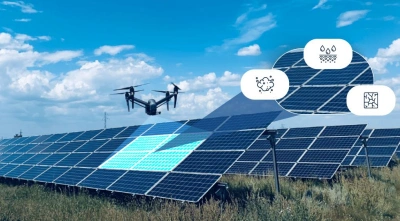
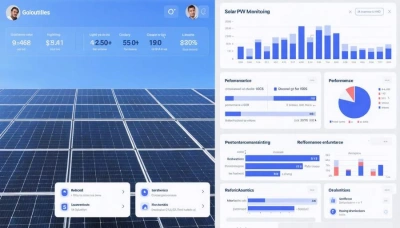
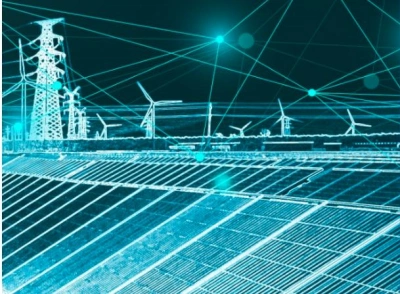
The global energy transition is entering a new phase. الطاقة الشمسية, كان يعتبر في السابق مصدرًا سلبيًا ومتقطعًا للطاقة, يتم الآن تحويله إلى ذكي, adaptive system through Artificial Intelligence (منظمة العفو الدولية).
في 2026, AI is no longer a “nice-to-have” in solar energy—it is becoming a core infrastructure layer. From predictive maintenance to grid optimization, AI is redefining how solar systems are designed, operated, and monetized.
This article explores how AI is revolutionizing solar power systems, with real-world applications, technical frameworks, والاتجاهات المستقبلية.
1. The Architecture of AI-Powered Solar Systems
Modern solar systems are evolving into cyber-physical energy networks. AI sits at the center, connecting hardware and data.
المكونات الرئيسية:
| Layer | تكنولوجيا | وظيفة |
|---|---|---|
| Data Acquisition | أجهزة استشعار إنترنت الأشياء, Smart Meters | Real-time monitoring of voltage, درجة حرارة, irradiance |
| Data Processing | Edge Computing, Cloud AI | Fast data processing and model execution |
| Intelligence Layer | Machine Learning Models | Forecasting, كشف الشذوذ |
| Control Layer | SCADA + منظمة العفو الدولية | Automated decision-making |
| Grid Integration | Smart Grid Systems | Load balancing, استجابة الطلب |
Technical Insight:
- AI models use time-series forecasting (LSTM, Transformer models)
- Real-time optimization often uses reinforcement learning (RL)
- Fault detection relies on رؤية الكمبيوتر + anomaly detection algorithms
2. الصيانة التنبؤية: From Reactive to Proactiv
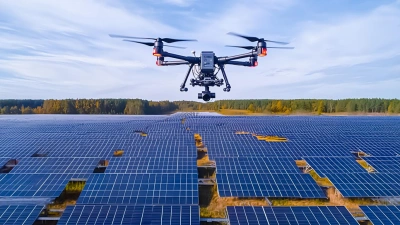
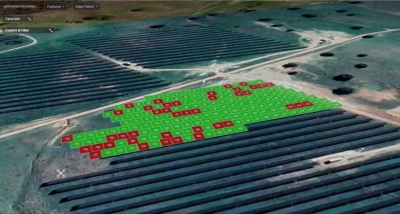
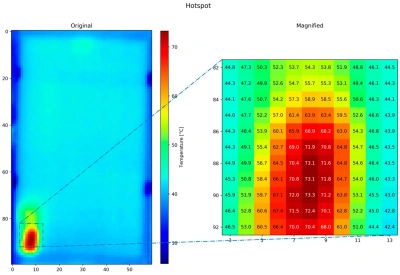
Traditional solar maintenance is reactive—failures are detected after performance drops.
AI changes this completely.
How AI Predicts Failures:
| Data Source | AI Application | Outcome |
|---|---|---|
| Thermal images | Computer vision | Detect hotspots before failure |
| Electrical signals | Anomaly detection | Identify inverter issues |
| Weather data | Predictive modeling | Forecast degradation |
| Historical logs | ML models | Failure probability scoring |
Business Impact:
- Reduce O&M costs by 20–40%
- Increase system uptime by 10-25%
- Extend asset lifespan
3. AI-Based Solar Forecasting & استقرار الشبكة
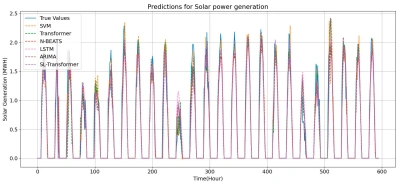
One of the biggest challenges of solar power is intermittency. AI solves this through ultra-accurate forecasting.
Forecasting Models:
| Model Type | Input Data | Accuracy Improvement |
|---|---|---|
| LSTM Networks | Historical generation | +15-25% |
| Satellite-based AI | Cloud movement | +20-30% |
| Hybrid Models | طقس + إنترنت الأشياء | +30–40% |
Key Use Cases:
- Grid dispatch optimization
- Energy trading strategies
- Battery storage scheduling
4. منظمة العفو الدولية + تخزين الطاقة: The Smart Solar Ecosystem
Solar alone is not enough—storage is essential.
AI integrates solar with battery systems to create self-optimizing energy ecosystems.
AI Optimization Scenarios:
| سيناريو | AI Decision |
|---|---|
| Peak pricing | Store energy |
| High demand | Discharge battery |
| Grid instability | Stabilize output |
| Low solar output | Switch to backup |
Advanced Technologies:
- يحركها الذكاء الاصطناعي Battery Management Systems (خدمات إدارة المباني)
- Digital twin simulation for solar-storage plants
- Multi-objective optimization (cost vs performance)
5. AI in Utility-Scale Solar Farms
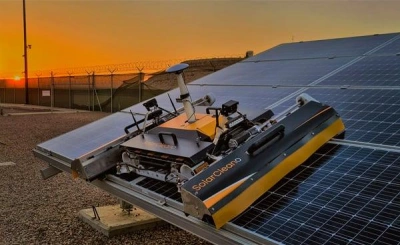
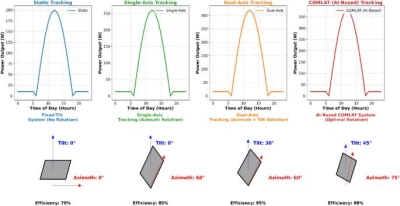
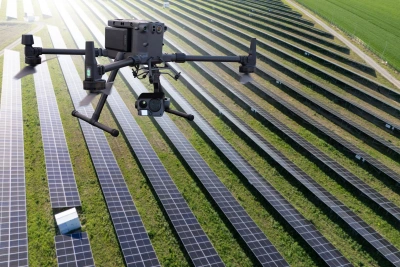
Utility-scale solar farms are becoming fully automated power plants.
AI Applications:
- Autonomous cleaning robots
- AI-based solar tracking systems
- Drone inspection with computer vision
- Real-time efficiency optimization
Case Study Insight:
AI can increase overall plant efficiency by 5–15%, which translates into millions of dollars annually in large projects.
6. الاتجاهات المستقبلية: Towards Autonomous Energy Systems
The next frontier is fully autonomous solar infrastructure.
Emerging Trends:
- منظمة العفو الدولية + Digital Twins for real-time simulation
- Blockchain + AI for energy trading
- Self-healing grids
- AI-designed solar farms
AI is transforming solar power from a static energy source into a dynamic, intelligent system. For manufacturers, مقاولو EPC, and energy investors, adopting AI is no longer optional—it is a competitive necessity.
Companies that integrate AI into their solar solutions will lead the next decade of energy innovation.
شركة لويانغ داتانغ لتكنولوجيا الطاقة., المحدودة. هي مؤسسة التكنولوجيا الفائقة دمج R&د, تصنيع وتوريد معدات الطاقة مثل المحولات, مكونات الطاقة الجديدة, خزائن التوزيع والعاكسات. مع الابتكار التكنولوجي باعتبارها جوهر, نحن نركز على إنشاء حلول طاقة عالية الموثوقية والأداء لخدمة العملاء العالميين. مع نظام صارم لمراقبة الجودة وشهادة المعايير الدولية, نواصل إنتاج منتجات ممتازة وتمكين العملاء من بناء أنظمة طاقة آمنة ومستقرة.
المشاركات ذات الصلة

تدابير جديدة لسلامة مناجم الفحم: تساعد المحولات المقاومة للانفجار في إنتاج سلامة المناجم
أهمية ومزايا وحدات SIC ديود

مكتب بروتوكول الإنترنت مقابل. جلبة محول RIP: أيهما أفضل لتطبيقك?

BT169 الثايرستور: "Smart Switches" لإلكترونيات الطاقة

أين يعتبر محول الطاقة الشمسية للمنزل صديق للبيئة?
