


مورد المكونات الإلكترونية | محولات, المحاثات, العاكسون


في عصر يتسم بالتحول العاجل للطاقة وتزايد الطلب على الكهرباء, تعمل محولات التوزيع والطاقة كأبطال مجهولين للبنية التحتية الكهربائية لدينا. هذه المكونات الهامة تمكنك من توفير الأمان, فعال, and reliable transmission of electricity from power plants to our homes and businesses. As the world pivots towards renewable energy and smart grid technologies, the role of transformers is evolving, making them a focal point for technological innovation and investment. This article delves into the distinct functions, current market trends, and future outlook of these indispensable devices.
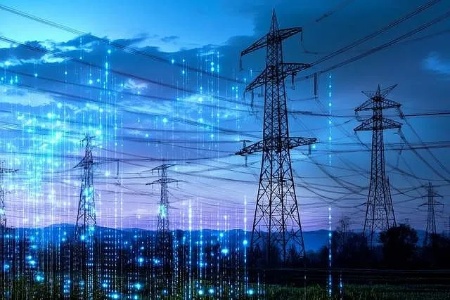
Understanding the Core Differences
While often grouped together, distribution and power transformers serve unique purposes within the electrical grid ecosystem.
ما هو محول الطاقة?
Power transformers are the heavy-duty long-haul trucks of the electrical world. Primarily used intransmission networks at generating stations and main substations, they handle extremely high voltages—typically above 33 كيلو فولت. Their primary job is to “step-up” voltage at the generation point to minimize energy loss over hundreds of miles of transmission lines and to “step-down” voltage at primary substations for regional distribution. They are designed for maximum efficiency at or near full load and operate with remarkable stability 24/7.
ما هو محول التوزيع?
Distribution transformers are the local delivery vans. They perform the final voltage transformation in theelectrical power distribution system, stepping down the voltage from the primary distribution level (على سبيل المثال, 11 كيلو فولت) to the utilization voltage used by consumers (240V/120V). You find them on utility poles, pad-mounted in neighborhoods, and in underground installations. Unlike their larger counterparts, they are optimized for efficiency at partial loads (حول 50-70%) because consumer demand fluctuates significantly throughout the day.
Hot Trends and Innovations Shaping the Transformer Market
The transformer industry is not static; it is being revolutionized by global energy trends.
- The Green Energy Integration: The rapid deployment of solar and wind farms often requires specialized transformers. Solar farms need units that can handle bidirectional power flow (as homes send excess energy back to the grid) and manage intermittent generation patterns. مزارع الرياح, especially offshore, demand robust, corrosion-resistant transformers that are highly reliable and often integrated directly into the turbine nacelle or placed on offshore platforms.
- The Smart Grid Revolution: The push for intelligent grids has given rise to the محول ذكي. These are transformer-integrated with sensors, أنظمة المراقبة, and communication interfaces. They provide real-time data on performance, load conditions, oil temperature, وصحة العزل, enabling predictive maintenance and enhancing grid resilience.
- The Shift to Sustainable Insulation: A major industry hotspot is the move away from traditional mineral oil. السوائل القائمة على استر, both natural and synthetic, are gaining massive traction. These fluids are biodegradable, have a higher fire point (مما يجعلها أكثر أمانا), and offer superior moisture tolerance and aging performance, which extends the transformer’s lifespan.
- Addressing the Supply Chain and Material Crunch: Global demand has exposed vulnerabilities in the supply chain for core materials like grain-oriented electrical steel (GOES). Manufacturers are innovating with new designs and materials to improve efficiency and reduce dependency on strained supplies.
Choosing the Right Transformer for Your Application
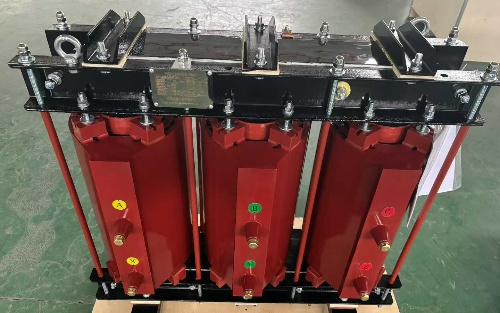
Selecting between a power transformer and a distribution transformer depends on several key factors:
- طلب: Is it for a high-voltage transmission substation or a low-voltage end-user connection?
- Rating: Power transformers are rated in MVA (ميجا فولت أمبير) for high capacity, while distribution transformers are rated in kVA (Kilo Volt-Amperes).
- حمولة: Consider if the load will be constant and high (favoring a power transformer) or fluctuating and lower (favoring a distribution transformer).
- Efficiency Requirements: Standards like the DOE (Department of Energy) في الولايات المتحدة. mandate strict efficiency levels for distribution transformers, influencing selection.
The Future of Transformer Technology
The future ofdistribution and power transformers is intelligent, فعال, and eco-friendly. Research is focused on solid-state transformers, which use power electronics to provide unparalleled control over voltage and power flow, a critical feature for future microgrids. بالإضافة إلى, the integration ofإنترنت الأشياء (إنترنت الأشياء) technology will make real-time asset health monitoring the standard, preventing failures and optimizing grid performance.
خاتمة
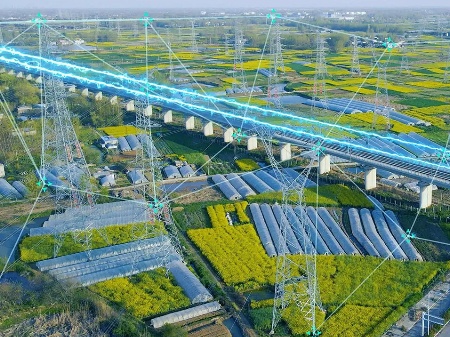
From enabling the integration of renewable energy to forming the core of the emerging smart grid, distribution and power transformers are more critical than ever. Understanding their function, staying abreast of technological advancements, and choosing the right technology is paramount for utility operators, renewable energy developers, and industrial projects. Investing in modern, efficient transformer technology is not just an operational decision; it’s a commitment to a resilient and sustainable energy future.
المشاركات ذات الصلة

بالوعة الحرارة الخارجية: حل فعال لإدارة الحرارة

75 محول كيلو فولت أمبير
مجموعات القوى تحث وزارة الطاقة على إعادة النظر في معايير كفاءة محولات التوزيع

محولات الايبوكسي من النوع الجاف: 11فئة KV 30KVA تقود الاتجاه الجديد للحفاظ على الطاقة الصناعية
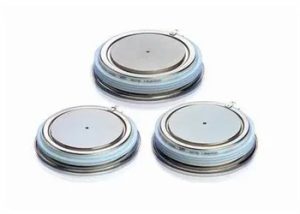
بواسطة 2030, ومن المتوقع أن يصل سوق أشباه الموصلات المنفصلة $60.7603.2 مليار.
