


Electronic Components Supplier | Transformers, Inductors, Inverters


30 kVA Transformer: A Comprehensive Technical Guide
1. Introduction to 30 kVA Transformers
A 30 kVA (kilovolt-ampere) transformer is a medium-capacity power transformer widely used in commercial and industrial applications. With its optimal balance of size and power handling capability, this transformer rating is particularly suitable for:
Small to medium-sized factories
Commercial buildings
Renewable energy systems
Hospital and institutional power backup
2. Key Technical Specifications
2.1 Electrical Parameters
| Parameter | Typical Value |
|---|---|
| Primary Voltage | 480V/11kV/22kV |
| Secondary Voltage | 120/208V/240V/480V |
| Frequency | 50Hz/60Hz |
| Efficiency | 96-98% |
| Impedance | 4-6% |
2.2 Physical Characteristics
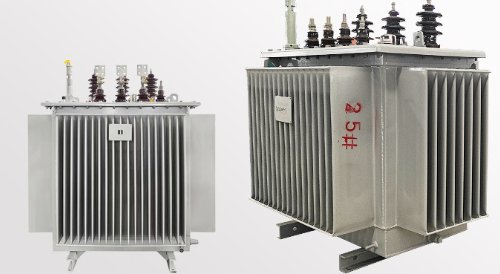
Weight: 150-300 kg (dry-type), 250-400 kg (oil-filled)
Dimensions: Approx. 600×500×700 mm (W×D×H)
Cooling: ONAN (oil) or AN (air) cooling
3. Common Types of 30 kVA Transformers
3.1 Dry-Type Transformers
Advantages:
Lower maintenance requirements
Fire-resistant (ideal for indoor installations)
Environmentally friendly (no oil leakage risk)
Applications:
Shopping malls
Office buildings
Data centers
3.2 Oil-Immersed Transformers
Advantages:
Better heat dissipation
Longer lifespan
More economical for outdoor use
Applications:
Industrial plants
Utility substations
Renewable energy farms
4. Installation Considerations
4.1 Site Requirements
Clearance: Minimum 1m around all sides
Foundation: Vibration-isolated concrete pad
Ventilation: Adequate airflow for cooling
Protection: Weatherproof enclosure for outdoor units
4.2 Electrical Connections
Primary side protection: HRC fuses or circuit breaker
Secondary side: Proper grounding (≤5Ω)
Cable sizing: Refer to IEC 60364-5-52 standards
5. Performance Characteristics
5.1 Load Capacity
Continuous rating: 30 kVA at 40°C ambient
Overload capacity:
110% for 2 hours
125% for 1 hour
150% for 30 minutes
5.2 Losses Analysis
No-load losses: 150-300W
Load losses: 600-900W at full load
Total losses: Typically 1.5-2% of rated capacity
6. Maintenance Requirements
6.1 Dry-Type Transformers
Annual inspection checklist:
Visual inspection for dust accumulation
Tightness of connections
Insulation resistance measurement
Cooling fan operation check
6.2 Oil-Immersed Transformers
Maintenance schedule:
Quarterly: Oil level inspection
Biannual: Oil quality testing (BDV, acidity)
Annual: Winding resistance measurement
5-year: Complete oil replacement
7. Cost Analysis
7.1 Initial Investment
Dry-type: $2,500-$4,000
Oil-filled: $1,800-$3,200
Additional costs:
Installation: $500-$1,000
Protective devices: $300-$800
7.2 Lifecycle Costs
Expected lifespan:
Dry-type: 20-25 years
Oil-filled: 25-30 years
Energy losses cost: $150-$300/year (based on $0.12/kWh)
8. Specialized 30 kVA Variants
8.1 Solar Isolation Transformers
Features:
Reinforced insulation
DC component rejection
150% overload capability
8.2 Medical Isolation Transformers
Key specifications:
Low leakage current (<0.5mA)
Special shielding
IT power system compatibility
9. Industry Standards Compliance
IEC 60076 (Power transformers)
IEEE C57.12.00 (General requirements)
UL 506 (Specialty transformers)
EN 61558 (Safety requirements)
10. Future Trends
Smart monitoring integration:
Temperature sensors
Load monitoring
Predictive maintenance alerts
Improved materials:
Amorphous metal cores
High-temperature insulation
Compact designs:
20% size reduction targets
Modular configurations
Conclusion
The 30 kVA transformer represents an optimal solution for diverse power distribution needs, offering an excellent balance between capacity, physical size, and cost-effectiveness. When selecting a 30 kVA unit, engineers must carefully consider the application environment, load characteristics, and maintenance requirements to ensure optimal performance throughout the transformer's service life. With advancing technologies, modern 30 kVA transformers are becoming more efficient, intelligent, and adaptable to emerging power system requirements.
RELATED POSTS
The Ultimate Guide to Transformer Winding Wire: Types, Applications & Innovations

Solar Panel Converter: the core equipment for green energy conversion
SCR BTW69: the secret weapon in the field of power control

Agrivoltaic Systems Engineering & Farm Microgrid Integration: The Future of Solar-Powered Agriculture
