Electronic Components Supplier | Transformers, Inductors, Inverters


In practical projects, the problem of selecting the wrong model for dry-type transformers is very common.
The capacity is sufficient, but the temperature rise exceeds the standard;
Voltage matching, but noise is not qualified;
Parameter compliance, but overseas acceptance failed.
This article will delve into the most critical but easily overlooked technical details of dry-type transformers from the perspective of engineering selection.
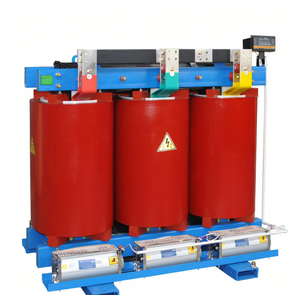
1.Capacity selection: You cannot just look at kVA
1.1 Continuous load and intermittent load
Dry-type transformers are highly sensitive to ambient temperature and require appropriate derating in the following scenarios:
- high altitude
- high temperature environment
- Closed computer room
1.2 Overload Capacity Assessment
The short-term overload capacity of epoxy cast dry-type transformers is significantly weaker than that of oil immersed transformers, and the load curve needs to be evaluated in advance.
2.Voltage level and wiring group
Common combinations:
- 10kV / 0.4kV
- 20kV / 0.4kV
The wiring group should match the system protection logic, such as:
- Dyn11
- Yyn0
3.Insulation level and temperature rise design
| Insulation Class | Typical Temperature Rise |
|---|---|
| Class F | 100K |
| Class H | 125K |
When choosing, consider long-term operating temperature rather than short-term limits.
4.Selection of cooling method
AN: Natural cooling, low noise
AF: Forced air cooling, capacity can be increased by 30-40%
But the reliability and maintenance of the fan also need to be taken into consideration.
5.Partial discharge level
High quality dry-type transformers typically require:
- Partial discharge ≤ 10 pC
This is one of the core indicators for overseas project acceptance.
6.Noise control
Noise often becomes a veto in data center and commercial building projects.
Attention should be paid to:
- core structure
- Shock absorption design
- Installation foundation
7.Protection level and environmental adaptability
Common levels:
- IP00 (indoor)
- IP23/IP31 (anti drip, anti foreign object)
8.Energy efficiency and loss indicators
Critical loss parameters:
- no-load loss
- load loss
The EU and North American markets have particularly strict requirements for this.
9.Standards, certifications, and documents
Common requirements:
- IEC / IEEE
- CE
- ISO system documents
10Hidden risks of export projects
Wooden crate packaging standard
Shipping moisture prevention
Technical document language
Dry-type transformers are not necessarily “the better the parameter table, the safer it is”, but rather highly coupled system equipment with application scenarios.
The truly professional selection is a comprehensive reflection of technical understanding, engineering experience, and standard awareness.
Luoyang Datang Energy Technology Co., Ltd. is a high-tech enterprise integrating R&D, manufacturing and supply of power equipment such as transformers, new energy components, distribution cabinets and inverters. With technological innovation as the core, we focus on creating high-reliability and high-performance power solutions to serve global customers. With a strict quality control system and international standard certification, we continue to output excellent products and enable customers to build safe and stable power systems.
RELATED POSTS
Thermalloy Heat Sink: Definition, Characteristics, and Application Fields

How does the 100 amp thyristor improve efficiency in the industrial control field?
Tata Solar Inverter Price List

High and low voltage capacitor compensation switchgear plays a crucial role in the power system, helping the efficient operation of the power grid
The Ultimate Guide to Transformer Winding Wire: Types, Applications & Innovations