Electronic Components Supplier | Transformers, Inductors, Inverters


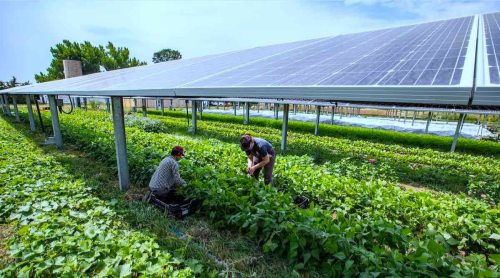
1. From Solar Farms to Solar-Powered Farms
Traditional solar plants occupy land exclusively for energy generation. Agrivoltaic systems transform that model into dual productivity infrastructure.
The future trend is:
Agriculture + Solar + Storage + Smart Energy Management
2. Three Main Agrivoltaic Structural Models
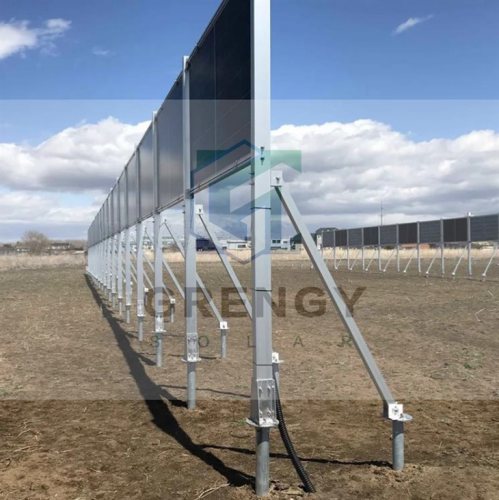
2.1 Fixed Elevated Structure
- Simple design
- Lower CAPEX
- Stable performance
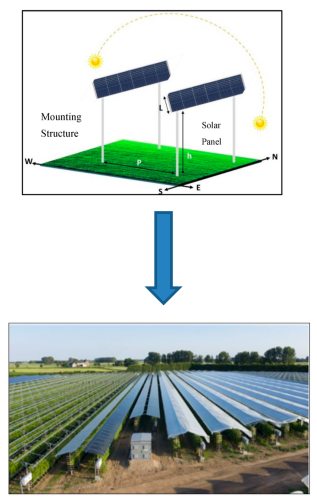
2.2 Adjustable Tilt System
- Seasonal light optimization
- Better crop control
- Higher mechanical complexity
2.3 Tracking Agrivoltaic System
- 10–20% higher energy yield
- Dynamic shading management
- Advanced control systems required
Tracking systems represent the next engineering phase of agrivoltaics.
3. Agrivoltaics + Energy Storage + Farm Microgrid
Future-ready agrivoltaic projects increasingly integrate storage and smart farm loads.
Farm Microgrid Architecture
| Component | Function |
|---|---|
| PV Array | Electricity generation |
| Battery Storage | Peak shaving & backup |
| Hybrid Inverter | Grid/off-grid switching |
| Agricultural Loads | Irrigation pumps, cold storage |
| EMS | Intelligent dispatch |
This configuration is particularly suitable for:
- Remote agricultural regions
- Water-intensive greenhouse operations
- Areas with unstable grid access
4. Engineering Design Parameters
- Structural lifespan: ≥25 years
- Corrosion rating: C4/C5 for harsh climates
- Minimum machinery clearance: ≥6m lane spacing
- Wind resistance: Region-specific compliance
Agrivoltaic design requires cross-disciplinary coordination between civil, electrical, and agricultural engineers.
5. Commercial Viability
Compared with standard ground-mounted PV:
| Metric | Conventional Solar | Agrivoltaics |
|---|---|---|
| Land Productivity | Single-use | Dual-use |
| CAPEX | Lower | 15–25% higher |
| Revenue Streams | Electricity only | Electricity + Agriculture |
| ESG Value | Moderate | High |
For investors and EPC contractors, agrivoltaics improves land ROI and ESG positioning.
6. Future Development Trends
- AI-based shading control
- Semi-transparent PV modules
- Carbon market integration
- Smart irrigation linkage
- Hybrid greenhouse systems
Agrivoltaics is transitioning from experimental installations to standardized commercial models.
Conclusion
Agrivoltaic systems are redefining how energy and agriculture coexist. By combining structural innovation, smart energy management, and agricultural science, dual-use solar infrastructure offers a scalable pathway toward sustainable food and energy production.
Luoyang Datang Energy Technology Co., Ltd. is a high-tech enterprise integrating R&D, manufacturing and supply of power equipment such as transformers, new energy components, distribution cabinets and inverters. With technological innovation as the core, we focus on creating high-reliability and high-performance power solutions to serve global customers. With a strict quality control system and international standard certification, we continue to output excellent products and enable customers to build safe and stable power systems.
RELATED POSTS

Welding Heat Treatment: The Secret Weapon for Fusing Metals
What is the Frequency of a Fast Switching Thyristor?
Selection Guide for Oil Immersed Transformers: How to Reduce Costs and Improve Operating Efficiency
Thyristor BT151: an efficient and reliable semiconductor switch
Low Profile Heatsink: High-efficiency, low-interference heat dissipation solution