Electronic Components Supplier | Transformers, Inductors, Inverters


1. Entering the AI Era of Solar Power
As the world accelerates toward carbon neutrality, solar power has become one of the most critical energy sources. However, traditional photovoltaic (PV) systems still face key challenges:
- Fluctuating power generation
- High operation & maintenance (O&M) costs
- Limited forecasting accuracy
The integration of Artificial Intelligence (AI) is fundamentally transforming solar energy systems:
👉 From passive generation → intelligent optimization
👉 From manual inspection → autonomous operation
👉 From experience-based decisions → data-driven intelligence
2. Core Applications of AI in Solar Power Systems
2.1 AI-Based Power Generation Forecasting
Traditional forecasting relies on historical averages. AI integrates:
- Weather data (irradiance, cloud cover)
- Historical performance
- Temperature and panel efficiency
👉 Result: Forecast accuracy improves to within 3–8% error
📊 Comparison Table: Traditional vs AI Forecasting
| Metric | Traditional Method | AI-Based Forecasting |
|---|---|---|
| Error Rate | 15%–25% | 3%–8% |
| Data Sources | Limited | Multi-dimensional |
| Real-time Capability | Low | High |
| Learning Ability | None | Self-learning |
2.2 Predictive Maintenance (AI O&M)
AI enables proactive system maintenance through:
- Thermal imaging for hotspot detection
- Current and voltage anomaly detection
- Failure trend prediction
👉 Reduces downtime by 30%–50%
2.3 AI-Optimized Cleaning Systems
In regions like the Middle East and Africa:
- AI schedules cleaning based on dust levels
- Saves over 30% water
- Boosts efficiency by 5%–12%
2.4 Smart Inverter & Energy Storage Optimization
AI dynamically controls:
- Voltage and frequency
- Load balancing
- Battery charge/discharge cycles
👉 Improves overall system efficiency significantly
3. AI-Powered Solar System Architecture
📊 System Structure Table
| Component | Function | AI Role |
|---|---|---|
| Solar Panels | Energy generation | Data input |
| Inverter | DC to AC conversion | Smart regulation |
| Energy Storage | Power storage | Optimization |
| Cloud Platform | Data processing | AI core |
| O&M System | Monitoring | Automated decisions |
4. Key Application Scenarios
4.1 Industrial Solar Systems (High-Value Market)
- Reduces electricity costs
- Enhances system stability
- Minimizes manual maintenance
👉 Ideal for factories, steel plants, manufacturing
4.2 Agrivoltaics (Solar + Agriculture)
- AI controls sunlight exposure
- Optimizes crop growth conditions
4.3 Microgrids & Off-Grid Systems
- AI manages energy distribution
- Ensures reliable power supply
5. Business Value of AI in Solar Systems
| Dimension | Improvement |
|---|---|
| Energy Output | +5% to 15% |
| O&M Cost | -30% |
| Failure Rate | -40% |
| ROI Period | Reduced by 1–2 years |
6. Future Trends (2026–2030)
- AI + Digital Twin technology
- Self-learning solar plants
- AI-integrated grid systems
- Fully autonomous solar farms
AI is transforming solar systems from simple energy devices into intelligent energy platforms.
👉 Customers are no longer buying solar panels — they are investing in smart energy solutions.
Luoyang Datang Energy Technology Co., Ltd. is a high-tech enterprise integrating R&D, manufacturing and supply of power equipment such as transformers, new energy components, distribution cabinets and inverters. With technological innovation as the core, we focus on creating high-reliability and high-performance power solutions to serve global customers. With a strict quality control system and international standard certification, we continue to output excellent products and enable customers to build safe and stable power systems.
RELATED POSTS
Oil immersed power regulators for industrial electric furnaces help improve production efficiency and quality control

Frequent safety accidents in low-voltage transformers: the importance of maintenance and testing

Light-triggered thyristors: an important tool for improving energy efficiency
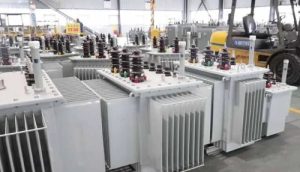
Power Transformer vs. Distribution Transformer: Key Differences and Applications
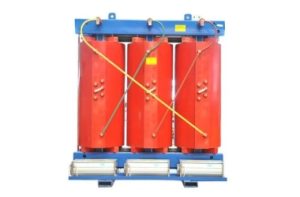
Market forecast for dry-type transformers: Revenue will exceed $16 billion by 2035