Electronic Components Supplier | Transformers, Inductors, Inverters


Why dry-type transformers have become the future choice in the field of power distribution
With energy efficiency, sustainability, and safety becoming core requirements for power distribution, dry-type transformers are gradually being widely used worldwide. Compared with traditional oil immersed transformers, dry-type transformers provide a safer, more reliable, and environmentally friendly alternative, especially playing a crucial role in new energy applications and data centers. Whether ensuring fire safety in high-risk environments or providing low maintenance requirements in remote photovoltaic installations, dry-type transformers are becoming the preferred solution for modern power systems.
As the industry shifts towards photovoltaic power generation and energy storage systems (ESS), and the demand for uninterrupted power supply in data centers increases, dry-type transformers play a crucial role in improving system performance, ensuring high reliability and safety.
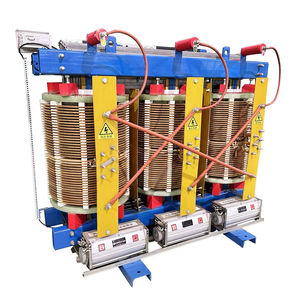
1.What are the dry-type transformers?
Dry type transformer is a power transformer that uses air or solid insulation materials to cool and insulate its internal components. This type of transformer is particularly suitable for environments with high requirements for safety and environmental protection. Dry type transformers are widely used in commercial, industrial, and renewable energy fields, suitable for installation in indoor and outdoor environments.
The main types of dry-type transformers
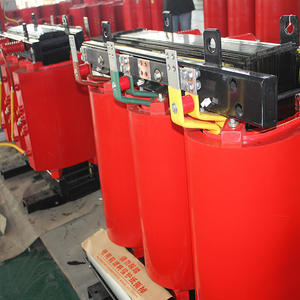
Cast Resin Transformers: This type of transformer uses epoxy resin to insulate and encapsulate the windings, effectively protecting against environmental pollutants such as moisture and dust.
Vacuum pressure impregnation (VPI) dry-type transformer: resin is impregnated into the winding through a vacuum environment, providing high mechanical strength and high reliability under high load conditions.
2.Advantages of dry-type transformers
2.1 Fire resistance and environmental advantages
Dry type transformers usually have fire resistance characteristics, making them an ideal choice for places with strict fire protection requirements, such as high-rise buildings, data centers, etc. Unlike oil immersed transformers, dry-type transformers eliminate the risk of oil leakage, which not only avoids environmental pollution but also reduces the risk of fire.
2.2 Low maintainability and long service life
The low maintenance requirements of dry-type transformers are one of their major advantages. There is no need to regularly replace the oil or monitor the oil level, thereby reducing maintenance costs. These transformers have a longer service life because they are less susceptible to environmental factors.
2.3 Efficiency and High Reliability
Dry type transformers are designed to be efficient, with low losses and low noise, making them highly suitable for applications that require stable and efficient operation.
3.Application of dry-type transformers in new energy
3.1 Application of dry-type transformers in photovoltaic power generation
With photovoltaic power generation becoming one of the world’s major renewable energy sources, the demand for photovoltaic transformers has also increased. Dry type transformers are particularly suitable for photovoltaic power generation systems because they can operate stably in harsh environments and have low maintenance requirements.
Advantages in photovoltaic power generation applications:
Fire safety: With the increase of photovoltaic power plants in fire prone areas, the fire resistance characteristics of dry-type transformers make them an ideal choice.
Outdoor installation: Dry type transformers can be installed outdoors with strong adaptability, suitable for photovoltaic power plants in remote areas or urban environments.
Efficient operation: These transformers help reduce energy losses during the conversion of photovoltaic power from solar panels to the grid, ensuring efficient system operation.
3.2 Application of dry-type transformers in energy storage systems
With the popularization of energy storage systems (ESS), especially the use of renewable energy sources such as solar and wind energy for energy storage, dry-type transformers have also played a crucial role.
Advantages of energy storage system applications:
Fireproof insulation: Energy storage systems require high reliability and safety of the power distribution system to avoid potential risks during battery storage and charging. The fire resistance provided by dry-type transformers ensures the safe operation of energy storage systems.
Efficient power transmission: Energy storage systems involve the conversion and storage of electrical energy, and dry-type transformers help to efficiently transmit electrical energy, ensuring stable system operation.
4.Application of dry-type transformers in data centers
4.1 Power Distribution in Data Centers: The Importance of Dry-type Transformers
Data centers are the foundation of the digital economy, and massive servers and equipment require uninterrupted power supply. Dry-type transformers provide the stability and reliability required for data centers, ensuring that servers and critical systems can continue to operate during power fluctuations.
Advantages in data center applications:
High reliability: Dry type transformers are designed for all-weather operation, providing uninterrupted power supply for data center facilities, which is crucial for environments that require highly reliable power.
Low noise: Data centers need to minimize noise pollution as much as possible to maintain the normal operation of sensitive equipment. Dry type transformers have lower noise compared to traditional oil immersed transformers, especially suitable for environments with strict noise requirements.
Indoor installation: Dry type transformers are suitable for indoor installation, which not only saves space but also reduces the impact on the environment for data centers.
4.2 Redundancy and Power Quality in Data Centers
Data centers typically use redundant power supply systems to avoid downtime. Dry type transformers can be integrated with redundant systems to ensure seamless switching of power from backup sources in the event of a failure, avoiding downtime.
Power system redundancy:
N+1 redundancy: In this redundancy mode, additional backup transformers can carry the load, ensuring that the data center continues to operate normally in the event of a failure.
Power regulation: Dry type transformers also help improve power quality, eliminate harmonic distortion, and ensure clean power supply to sensitive equipment.
5.Technical specifications and compliance standards
5.1 IEC 60076-11: International standard for dry-type transformers
Dry type transformers need to comply with the IEC 60076-11 standard, which defines the performance and safety requirements for dry-type transformers. Transformers that meet these standards can meet the quality and safety requirements of various global applications, and are suitable for fields such as new energy and data centers.
5.2 EcoDesign Requirements and EU Standards
As part of the EU’s commitment to sustainability and energy efficiency, dry-type transformers need to comply with EcoDesign requirements, which impose strict limits on the energy efficiency of transformers. Transformers that meet these standards can reduce energy consumption and lower the overall environmental impact of the distribution system.
6.How to choose a suitable dry-type transformer
6.1 Selection based on application environment
Different application environments require different types of dry-type transformers. For example, transformers in photovoltaic power plants should have wind, sand, and high temperature resistance characteristics; In data centers, priority should be given to low noise and high reliability.
6.2 Choosing the appropriate cooling method
There are various cooling methods for dry-type transformers, including natural air cooling (AN) and forced air cooling (AF). The choice of cooling system depends on the power level of the transformer and the ambient temperature of the installation location.
7.Future trend: Integration of intelligent transformers with new energy and data centers
7.1 Integration with Internet of Things (IoT) and Intelligent Monitoring Systems
The next generation of dry-type transformers may have intelligent monitoring capabilities to monitor key parameters such as temperature and voltage in real-time. This will help optimize the operational efficiency of transformers and improve the overall performance of the distribution system.
7.2 Increased demand for energy-efficient transformers
With the increasing demand for zero emission and sustainable energy systems globally, the demand for energy-efficient transformers will continue to grow. Dry type transformers, with their low energy consumption and environmental characteristics, perfectly meet this trend and are expected to continue to be widely used in fields such as green buildings, photovoltaic projects, and smart grids.
8.How to choose dry-type transformers for new energy and data center projects
8.1 Choose the appropriate type of dry-type transformers
Choosing the appropriate type of transformer is the key to ensuring the success of the project. Different types of dry-type transformers should be selected for different application environments and technical requirements.
Photovoltaic applications: For photovoltaic projects, Cast Resin Transformers are the best choice as they provide stronger moisture resistance, corrosion resistance, and UV resistance. This type of transformer can operate stably in harsh outdoor environments.
Energy storage system: Energy storage systems (ESS) typically require stable and efficient power distribution systems, so when selecting transformers, special attention should be paid to their load capacity and performance in high-temperature working environments. VPI transformers perform excellently in such applications, providing higher mechanical strength.
Data center applications: Data centers require transformers to have high reliability and low noise levels, making it suitable to choose low-noise dry-type transformers. To ensure the continuity of power supply, it is recommended to choose transformers with redundant design to ensure uninterrupted power supply.
8.2 Consider system redundancy and maintenance
Data centers and energy storage systems typically have N+1 redundancy design, meaning they have at least one backup transformer. This design ensures that in the event of a fault in one transformer, the other transformer can carry the load without affecting the normal operation of the system. Therefore, when choosing a transformer, special attention should be paid to its redundant configuration.
In addition, maintenance convenience is also an important consideration when choosing dry-type transformers. Dry type transformers have a longer service life and lower maintenance costs, making them suitable for long-term operation scenarios, especially in remote areas or projects with harsh environments.
9.Development trend of dry-type transformers market
9.1 Intelligent Development
With the advancement of smart grids and smart buildings, dry-type transformers will increasingly integrate intelligent monitoring technology. For example, an intelligent monitoring system based on the Internet of Things (IoT) can transmit real-time status information of transformers, such as temperature, current, voltage, etc., which makes the operation of transformers more transparent and facilitates remote monitoring and fault prediction.
This intelligent development can not only improve the efficiency of transformer usage, but also reduce downtime and enhance the overall system reliability, especially in large-scale renewable energy systems and data centers.
9.2 Rapid growth of renewable energy market
With the increasing global attention to renewable energy, the growing number of photovoltaic and wind energy projects, and the increasingly diverse application scenarios of energy storage systems, the demand for dry-type transformers in these fields will continue to grow. Especially in regions such as Europe, the Middle East, and Africa, the promotion of green energy policies and subsidies will further accelerate the market growth of dry-type transformers.
9.3 Policy Promotion and Improvement of Energy Efficiency Standards
Worldwide, governments and regulatory agencies have increasingly high requirements for energy efficiency. For example, the EU’s EcoDesign directive requires transformers to have higher energy efficiency to reduce losses in power transmission. These policies have promoted technological progress in dry-type transformers, making them more environmentally friendly and efficient.
10.Dry-type transformers lead the future of power distribution
With the increasing global demand for safety, environmental protection, and energy efficiency, dry-type transformers have become the mainstream choice in modern power distribution systems. Whether in the field of new energy or in data centers that require high reliability, dry-type transformers can provide excellent performance, ensuring system stability and safety.
Dry type transformers will continue to play an important role in various fields such as photovoltaic power generation, energy storage systems, and data centers. With the continuous development of technology, dry-type transformers will further realize intelligence and energy saving, becoming a key equipment for building a green and low-carbon society.
Luoyang Datang Energy Technology Co., Ltd. is a high-tech enterprise integrating R&D, manufacturing and supply of power equipment such as transformers, new energy components, distribution cabinets and inverters. With technological innovation as the core, we focus on creating high-reliability and high-performance power solutions to serve global customers. With a strict quality control system and international standard certification, we continue to output excellent products and enable customers to build safe and stable power systems.
RELATED POSTS
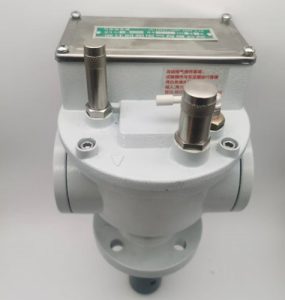
Full analysis of the working principle of gas relay: the “first line of defense” for internal faults in oil immersed transformers
Importance and Advantages of SIC Diode Modules

Two-phase thyristor controller: a powerful tool for power speed regulation

The Battle of Inverters: Photovoltaic and Energy Storage Industries Grow to Create a Billion-Dollar Market
Thyristor Motor Control Three Phase: Definition, Characteristics, Applications and Optimization Strategies