Electronic Components Supplier | Transformers, Inductors, Inverters


1.Why compare oil immersed and dry-type transformers
In power projects, oil immersed transformers and dry-type transformers are the two most common solutions. Many customers tend to be indecisive when making a choice. Therefore, understanding the differences between the two can help make more rational decisions.
1.1 Basic definitions of two types of transformers
Oil immersed transformer: using transformer oil as cooling and insulation medium
Dry type transformer: insulated with air or epoxy resin
1.2 Different requirements for application environments
Different environments have different requirements for safety, heat dissipation, and maintenance, which is the key difference between the two types of transformers.
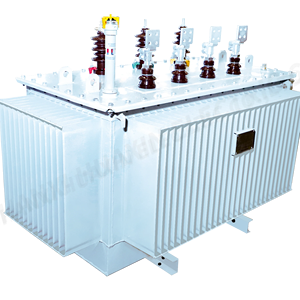
Oil immersed transformers
2.Analysis of the advantages of oil immersed transformers
2.1 Stronger heat dissipation performance
Due to the better thermal conductivity of oil, oil immersed transformers are more stable during large capacity and high load operation. Therefore, it has more advantages in outdoor or high-power scenarios.
2.2 More Competitive Costs
Under the same capacity, the manufacturing cost of oil immersed transformers is usually lower than that of dry-type transformers, which is also an important reason for their widespread application in overseas projects.
2.3 Longer service life
Under normal maintenance conditions, the service life of oil immersed transformers can usually reach 20-30 years, making them suitable for long-term investment projects.
3.Applicable scenarios of dry-type transformers
3.1 Indoor and densely populated areas
Dry type transformers do not require transformer oil, therefore they have better fire resistance and are suitable for places such as shopping malls, hospitals, and subways.
3.2 Maintenance is simpler
Dry type transformers have less daily maintenance work and are suitable for projects with lower requirements for operation and maintenance conditions.
4.How to make the right choice
4.1 Starting from project requirements
If the project pursues cost-effectiveness and high-capacity operation, oil immersed transformers are more suitable. If fire prevention and indoor installation are more important, dry-type transformers are a better choice.
4.2 Combining local standards and certifications
In export projects, it is necessary to confirm in advance whether IEC, ANSI or other standards are required, which will directly affect the selection of transformer types.
5.Future Development Trends
With the development of environmentally friendly oil and sealing technology, oil immersed transformers continue to improve in terms of safety and environmental performance, and the gap with dry-type transformers is narrowing.
RELATED POSTS
CRRC received foreign investment to sell 1,008,500 shares on December 27
Victron Inverters: The Ultimate Power Solution for Off-Grid and Marine Applications
The role of relays in power systems: selection points and industry trend analysis

Current transformer cable guarding power system: fast response to prevent fault escalation
Frequency converter radiator: the key to providing stable operation of the frequency converter