Electronic Components Supplier | Transformers, Inductors, Inverters


1.Energy storage technology: driving the future of renewable energy
1.1 The Importance of Energy Storage
Energy storage technology is one of the core forces driving the global energy transition. With the rapid development of renewable energy sources such as wind and solar energy, the volatility and intermittency of electricity are becoming increasingly prominent. Energy storage technology can effectively solve energy instability and ensure the balance and safe operation of the power grid. Through energy storage systems, excess electricity can be stored during peak energy production periods and released during peak demand periods to alleviate power supply pressure.
1.2 Classification and working principle of energy storage systems
Energy storage systems can be divided into the following categories based on different energy storage methods:
- Electrochemical energy storage: The most common method is battery energy storage (such as lithium batteries, lead-acid batteries, sodium sulfur batteries, etc.). Battery energy storage has the characteristics of high energy density and high efficiency, and is widely used in power systems, transportation vehicles, and mobile devices.
- Mechanical energy storage, such as compressed air energy storage (CAES) and pumped hydro storage (PHS), is suitable for large-scale power grid regulation.
- Thermal energy storage: regulating temperature changes by storing thermal energy, mainly used in industrial and construction fields.
- Hydrogen energy storage: using hydrogen gas to store and release energy, suitable for long-term and large-scale energy storage.
1.3 Current Status and Trends of Global Energy Storage Market
According to market research, the global energy storage market is growing rapidly. With the advancement of battery technology, costs have been decreasing year by year, and more and more countries are deploying energy storage projects in their power systems. For example, the United States and Europe have vigorously promoted the application of energy storage technology through policy incentives. It is expected that the global energy storage market will show exponential growth in the next 10 years, especially in the field of electric energy storage, which is expected to become the hub of the global energy system.
1.4 Application of Energy Storage Technology in the Power System
The application scope of energy storage technology is very wide, mainly concentrated in the following aspects:
- Grid frequency regulation and peak shaving: Energy storage can regulate the frequency fluctuations of the power grid, smooth out the differences between power supply and demand, and reduce the volatility of the power system.
- Backup power supply: Energy storage systems can serve as backup power sources for the power grid, providing reliable electrical support.
- Renewable energy integration: Energy storage systems can complement renewable energy sources such as wind and solar power, ensuring stable energy output and solving the problem of intermittency in renewable energy.
https://www.youtube.com/shorts/YzzE67ddsoM

Energy storage technology
2.Combination of energy storage and transformers: optimization of energy networks
2.1 Synergistic effect of energy storage and transformer
The combination of energy storage systems and transformers can optimize the operational efficiency of the entire power system. Transformers, as the core equipment of power transmission, play a crucial role in the distribution and regulation of electricity. However, a single transformer cannot fully meet the needs of efficient energy transmission and distribution, especially when facing fluctuations in renewable energy, the introduction of energy storage technology is particularly important. The energy storage system can store electrical energy when there is an excess of electricity and release it during peak demand periods. This function enables transformers to more effectively regulate grid loads, preventing power shortages and oversupply.
2.2 How to improve transformer efficiency through energy storage
The introduction of energy storage systems can effectively improve the efficiency of transformer usage and reduce energy losses in the power grid. For example, by combining energy storage systems with transformers, excess electricity can be stored during low demand periods and released during peak demand periods, avoiding transformer overload and excessive dependence on a single power source for the grid. Through this method, transformers can operate efficiently under different load conditions, reducing frequent start stop operations and extending the service life of equipment.
2.3 The role of energy storage in transformer maintenance and lifecycle management
Energy storage systems not only improve the operational efficiency of transformers, but also play an important role in transformer maintenance and lifecycle management. For example, during regular maintenance or emergency troubleshooting, energy storage systems can provide necessary backup power to avoid power outages caused by transformer shutdowns. At the same time, the energy storage system can monitor the operating status of the power system, perform timely fault detection and warning, help optimize the maintenance strategy of transformers, improve their service life and overall system reliability.
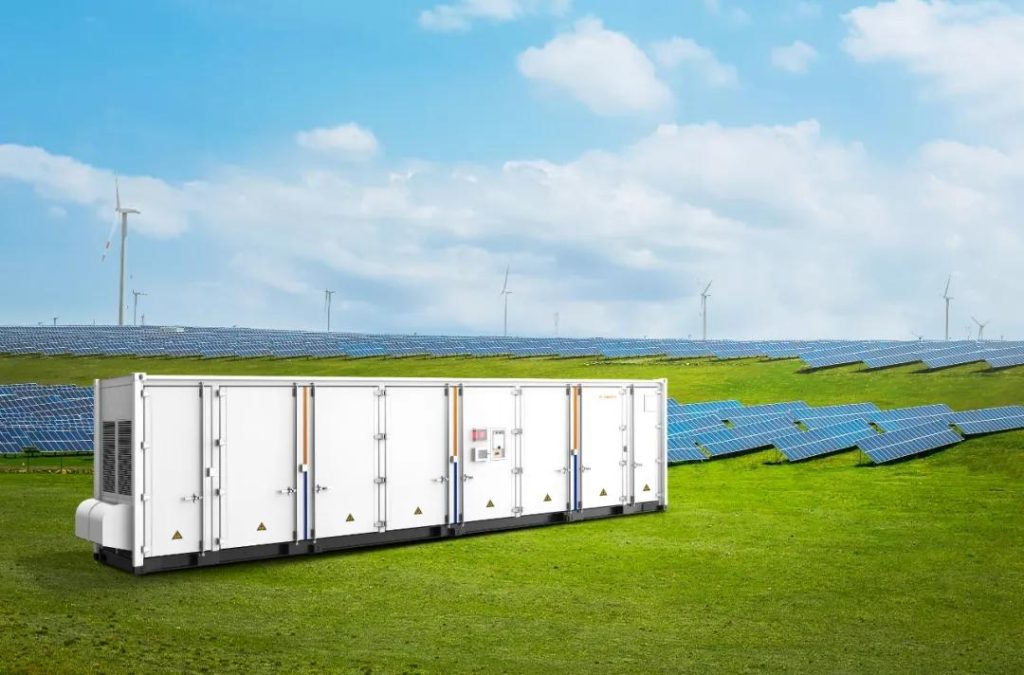
Energy storage technology
3.Development and Challenges of Future Energy Storage Technologies
3.1 Breakthroughs in Energy Storage Technology and New Battery Materials
The development of future energy storage technology will focus on improving battery performance and reducing costs. Especially the research and application of new battery materials will be the key to improving the performance of energy storage systems. For example, the emergence of new battery materials such as sodium ion batteries, solid-state batteries, and hydrogen fuel cells may completely change the landscape of existing energy storage technologies. Through these new battery technologies, energy storage devices will be able to provide higher energy density, longer lifespan, and lower environmental impact.
3.2 Deep integration of intelligent power system and energy storage technology
With the development of technologies such as artificial intelligence, big data, and the Internet of Things, the power system will become more intelligent. In the future, energy storage technology will be deeply integrated with smart grids, and through data analysis and automated control, power supply and demand will be more accurately regulated. Intelligent energy storage systems can automatically adjust the charging and discharging of energy storage batteries, optimize grid loads, and improve system efficiency and flexibility by monitoring power demand and supply in real-time.
3.3 Continuous Optimization: Future Challenges of Energy Storage and Transformer Technology
Although energy storage technology and transformer technology have important application value in energy management, there are still many challenges in achieving comprehensive popularization. For example, the cost of energy storage technology, compatibility issues between transformers and energy storage systems, and policy support for energy storage technology in the electricity market are all urgent problems that need to be solved. In the future, with the continuous advancement of technology and the gradual improvement of policies, energy storage and transformers will be more closely integrated, providing more efficient and reliable solutions for the global energy transition.
4.Summary: Energy storage and transformers co shape the future of energy
4.1 The core position of energy storage and transformers in future energy systems
The synergistic effect of energy storage technology and transformers will become an indispensable component of future energy systems. With the increasing global dependence on renewable energy, energy storage technology will effectively solve the problem of energy volatility, while transformers provide important guarantees for power transmission. The combination of the two will provide strong support for the global energy transition.
4.2 Future Development Direction of Technological Innovation
The innovation of future energy storage technology and transformer technology will focus on improving energy efficiency, reducing costs, enhancing system reliability, and intelligence. Through continuous technological research and industrial upgrading, energy storage and transformers will achieve more efficient, green, and sustainable power transmission and management methods, providing a solid technological foundation for building a smart grid and promoting the energy revolution.
Luoyang Datang Energy Technology Co., Ltd. is a high-tech enterprise integrating R&D, manufacturing and supply of power equipment such as transformers, new energy components, distribution cabinets and inverters. With technological innovation as the core, we focus on creating high-reliability and high-performance power solutions to serve global customers. With a strict quality control system and international standard certification, we continue to output excellent products and enable customers to build safe and stable power systems.
RELATED POSTS
Solar Inverter and Battery Weatherproof Enclosures
Types of Transformers: A Comprehensive Guide for 2024

11kV Current Transformer Guide – Types, Applications & Pricing

11kV Transformer Price Guide: Factors, Trends, and Best Deals in 2024

High Voltage Epoxy Resin Insulators: A Key Role in Ensuring Stable 0peration of the Power System