Electronic Components Supplier | Transformers, Inductors, Inverters


In the rapidly evolving world of solar technology, monocrystalline photovoltaic panels continue to dominate the market as a premium and high-efficiency solution for harnessing solar energy. With the global push towards renewable energy and increasing environmental awareness, more homeowners and businesses are turning to monocrystalline solar panels to reduce electricity costs and carbon footprints. This article explores why these panels are a superior choice, their benefits, and how they compare to other solar technologies.
What Are Monocrystalline Photovoltaic Panels?
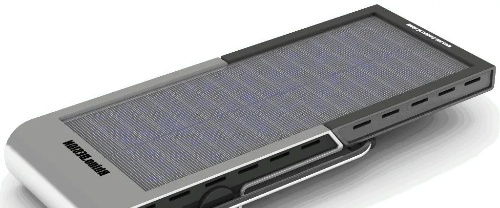
Monocrystalline solar panels are made from single-crystal silicon, which allows electrons to move more freely, resulting in higher efficiency. These panels are recognizable by their uniform dark look and rounded edges. The manufacturing process involves growing a single crystal silicon ingot, which is then sliced into thin wafers. This method, although more costly, produces panels with excellent performance and longevity.
Advantages of Monocrystalline Solar Panels
High Efficiency and Performance
One of the biggest advantages of monocrystalline panels is their high efficiency. With efficiency rates typically ranging from 20% to 24%, they outperform polycrystalline and thin-film alternatives. This means they can generate more electricity in limited space, making them ideal for residential rooftops with size constraints.
Durability and Longevity
Monocrystalline photovoltaic modules are known for their durability. Most manufacturers offer a 25- to 30-year warranty, reflecting their confidence in the product. These panels are also more efficient in high-temperature environments compared to other types, ensuring consistent performance even on hot days.
Aesthetic Appeal
For homeowners concerned about curb appeal, monocrystalline solar panels offer a sleek, uniform appearance. Their black color blends seamlessly with dark rooftops, providing a more attractive installation compared to the blue hue of polycrystalline panels.
Monocrystalline vs. Polycrystalline Solar Panels
While monocrystalline and polycrystalline panels are both popular, there are key differences. Polycrystalline panels are made from multiple silicon fragments, which makes them less efficient but more affordable. However, for those seeking maximum energy output and space efficiency, monocrystalline remains the top choice.
Latest Technological Innovations
The solar industry is constantly advancing. Recent innovations in monocrystalline PV technology include PERC (Passivated Emitter and Rear Cell) and half-cut cell designs, which enhance light absorption and reduce energy loss. Bifacial monocrystalline panels, which capture sunlight from both sides, are also gaining traction for their ability to generate additional power from reflected light.
Why Choose Monocrystalline Panels for Your Home?
Investing in monocrystalline silicon panels is a smart decision for long-term energy savings. Although the initial cost is higher, their superior efficiency translates to lower electricity bills and a quicker return on investment. Additionally, as energy prices continue to rise, generating your own clean power provides financial security and independence.
Installation and Maintenance Tips
Proper installation is crucial for maximizing the performance of your monocrystalline solar system. It is recommended to work with certified installers who can ensure optimal positioning and angle. Maintenance is minimal—regular cleaning to remove dust and debris will help maintain peak efficiency.
The Future of Monocrystalline Photovoltaic Technology
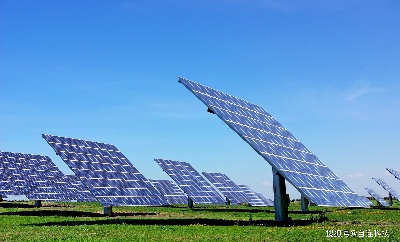
With ongoing research and development, the efficiency of monocrystalline solar panels is expected to improve even further. Emerging trends like integration with smart grids and energy storage systems highlight the growing role of these panels in the future of renewable energy.
Conclusion
Monocrystalline photovoltaic panels are a efficient, durable, and aesthetically pleasing option for anyone looking to adopt solar energy. As technology advances and production costs decrease, they are set to become even more accessible. By choosing monocrystalline panels, you are investing in a sustainable future while enjoying significant energy savings.
RELATED POSTS
Vehicle-to-Grid Technology: Revolutionizing Energy Management and Sustainability
Home Solar Panel Inverter: The Eco-Friendly and Efficient Power Choice

Variable Transformer: Revolutionizing Power Conversion and Energy Efficiency
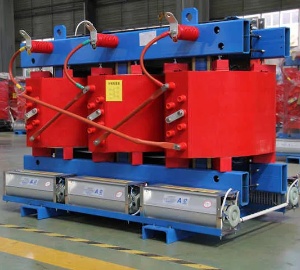
10 HP Transformer Price Guide 2024: Costs, Factors & Smart Purchasing Tips
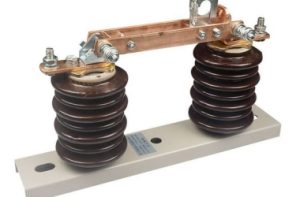
The Application of HV Disconnect in High Voltage Systems: A Powerful Guardian of Control and Protection
