Electronic Components Supplier | Transformers, Inductors, Inverters


1.Technological development of current transformers
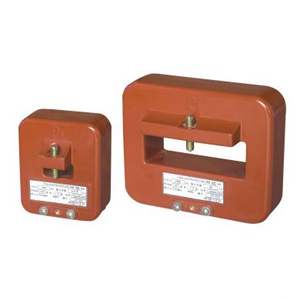
With the increasing demand for electricity, the technology of current transformer is also constantly innovating. Traditionalcurrent transformers are usually made of magnetic materials, but with the development of digital technology, modern current transformers have begun to introduce digital technology, which integrates sensors and microprocessors to make current measurement more accurate and stable.
In recent years, fiber optic current transformers have also been gradually applied as a new technology in the field of high-precision current measurement. Fiber optic sensing technology not only provides higher measurement accuracy, but also avoids electromagnetic interference and improves equipment reliability.
2.Common types of faults in current transformers
Current transformers may experience various faults during long-term operation, and common types of faults include:
- Short circuit fault: caused by internal coil short circuit, resulting in interruption of current transmission.
- Overload fault: When the current transformer is subjected to a current exceeding the rated current, it may cause the iron core to saturate, affecting accuracy.
- Insulation damage: Internal insulation damage of current transformers may cause short circuits or electrical breakdown.
3.Fault diagnosis of current transformer
Fault diagnosis usually includes the following methods:
- Electrical testing: Determine if there are any abnormalities in the transformer through voltage and current testing.
- Temperature monitoring: By monitoring the working temperature of the transformer through temperature sensors, potential overload or short circuit issues can be detected.
- Spectrum analysis: By analyzing the frequency response of the current transformer, determine whether there is any deviation in the equipment.
- Artificial intelligence and big data analysis: Combining intelligent algorithms for fault diagnosis can predict equipment failures in advance and perform maintenance.
4.Maintenance and upkeep of current transformers
Regular inspection and calibration are key to maintaining the stable operation of current transformers. Regularly measure the output current of the equipment, compare the calibration values, promptly detect deviations, and make adjustments or replacements. Regularly clean the casing of the transformer to prevent dust or dirt from affecting equipment performance.
5.Advantages of intelligent current transformers
Compared to traditional current transformers, intelligent current transformers have the following advantages:
- High precision and reliability: Improve measurement accuracy and reduce human error through digital technology.
- Remote monitoring: Through IoT technology, users can monitor the working status of current transformers in real time, reducing manual inspections.
- Adaptive capability: Intelligent current transformers can automatically adjust measurement parameters according to different loads, ensuring accurate data in various environments.
6.Application of current transformers in special environments
The application of current transformers is not limited to conventional power systems, but also plays a crucial role in some special environments:
- High temperature and high pressure environment: In fields such as nuclear power plants and petrochemicals, current transformers can operate stably in extreme environments.
- In the aerospace field, current transformers are used in power monitoring systems for satellites and spacecraft to ensure stable current transmission.
7.Development trend of current transformers
The future development of current transformers will further trend towards intelligence and digitization. New technological innovations, such as wireless sensors and flexible transformers, are driving the diversified application of current transformers. The future current transformer is not only a measuring tool, but also a part of the intelligence of the power system.
With the increasing complexity of power systems, the importance of current transformers as core measurement tools has become increasingly prominent. From traditional analog transformers to modern intelligent digital transformers, technological innovation in current transformers will greatly enhance the stability and efficiency of power systems.
Table 1: Common Fault Types of Current Transformers
| Fault Type | Description | Possible Causes |
|---|---|---|
| Short Circuit Fault | Internal short circuit in the CT, preventing current transmission | Poor coil contact, insulation failure |
| Overload Fault | Current exceeds the rated value, causing core saturation | Overload operation, delayed fault protection |
| Insulation Damage | Internal insulation breakdown, possibly leading to electrical breakdown | High temperature, high humidity, chemical corrosion |
| Open Circuit Fault | Secondary circuit is open, making it impossible to obtain measurement signals | Loose wiring, damaged coil |
Table 2: Fault Diagnosis Methods for Current Transformers
| Diagnosis Method | Description | Advantages |
|---|---|---|
| Electrical Testing | Measure current and voltage to check CT operation | Direct, quick detection of CT performance |
| Temperature Monitoring | Monitor the working temperature of the CT to check for overload or overheating | Temperature anomalies serve as an early warning for faults |
| Spectrum Analysis | Analyze the frequency components of the current signal to detect abnormal behavior | Can detect subtle faults, suitable for complex current analysis |
| AI-based Fault Diagnosis | Use machine learning algorithms to predict faults based on historical data | Improves fault detection accuracy and anticipates potential issues |
Table 3: Maintenance Recommendations for Current Transformers
| Maintenance Item | Maintenance Content | Maintenance Frequency |
|---|---|---|
| Regular Calibration | Calibrate the current transformer annually to ensure measurement accuracy | Once a year |
| Insulation Inspection | Inspect the CT’s insulation for damage to avoid electrical breakdown | Once a quarter |
| Temperature Inspection | Regularly check the operating temperature to prevent overheating | Check monthly |
| Cleaning and Protection | Clean the CT exterior to prevent dust buildup that could affect performance | Twice a year |
Luoyang Datang Energy Technology Co., Ltd. is a high-tech enterprise integrating R&D, manufacturing and supply of power equipment such as transformers, new energy components, distribution cabinets and inverters. With technological innovation as the core, we focus on creating high-reliability and high-performance power solutions to serve global customers. With a strict quality control system and international standard certification, we continue to output excellent products and enable customers to build safe and stable power systems.
RELATED POSTS

Efficient and stable 500KVA 11KV/0.4 KV distribution transformer to assist commercial building power supply

2026 Solar Panels Technology Trends and System Optimization: In Depth Analysis of Efficient Modules, Energy Storage Integration, and Industrial and Commercial Applications
Top Dry Type Transformer Manufacturers: A 2024 Industry Guide
Voltage Adapter 110 to 220: Your Essential Travel Companion
Substation and Transformer: The Backbone of Modern Power Systems