Electronic Components Supplier | Transformers, Inductors, Inverters


1.Evolution and technological progress of transformer
1.1 Basic principles of transformer
Transformer are one of the most fundamental and important equipment in power systems, mainly achieving voltage conversion through the principle of electromagnetic induction. In the power system, transformers transmit the high-voltage electrical energy generated by power plants to different demand areas through voltage reduction or boosting methods. The core function of a transformer is to convert the voltage level of electrical energy through electromagnetic induction, ensuring that the transmission of electricity will not damage equipment or cause power loss due to high or low voltage.
1.2 Evolution of Transformer Technology: From Traditional to Modern
The development of transformer technology has gone through multiple stages, from the initial bulky design to modern intelligent design, continuously improving efficiency and reducing losses. For example, oil immersed transformers and dry-type transformers each have their own advantages. The former is suitable for large-scale power transmission, while the latter is more environmentally friendly and safe due to oil-free cooling. In addition, with the application of high-temperature superconducting materials and nanotechnology, the volume and weight of transformers are gradually reduced, and the work efficiency is greatly improved.
1.3 Current technological trends and challenges of transformer
One of the main challenges facing current transformer technology is energy efficiency and reliability issues. With the continuous growth of electricity demand, the efficiency of transformers under high loads has become particularly critical. To address these challenges, the industry is exploring more efficient cooling methods, more environmentally friendly materials, and intelligent transformer management systems to improve the overall performance and operational efficiency of transformers.
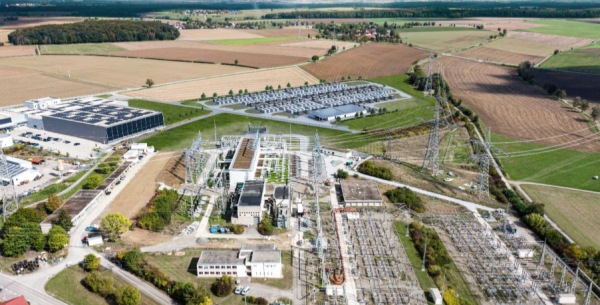
energy storage systems
2.Energy storage system: promoting innovation in transformer technology
2.1 How energy storage systems affect transformer design and application
With the gradual maturity of energy storage technology, the design and application of transformers have also undergone profound changes. The introduction of energy storage systems provides transformers with greater flexibility and adaptability. For example, energy storage systems can store excess electricity during low demand periods and release it during high demand periods. This allows for effective regulation of transformer loads, not only improving system efficiency but also reducing transformer loads and avoiding losses caused by frequent starts and stops.
2.2 Collaborative Work between High Efficiency Transformer and Energy Storage Systems
The combination of high-efficiency transformer and energy storage systems makes the power system more flexible and efficient. By optimizing the operation strategy of energy storage devices, the demand of the power system can be adjusted in real time, thereby helping transformers operate in an efficient range, avoiding overload and frequent start stop. In addition, the response speed of the energy storage system can adjust the load changes of the transformer in a timely manner, further improving the stability of the system.
2.3 Common goal of energy storage and transformer: to improve the stability and reliability of the power grid
The collaboration between energy storage and transformer can not only optimize the distribution and transmission of electricity, but also effectively enhance the stability of the power grid. Especially in the context of large-scale integration of renewable energy into the grid, the combination of energy storage and transformers is crucial for balancing the volatility of electricity and improving the reliability of the grid.
3.Application of energy storage systems and transformer in smart grids
3.1 Requirements of Smart Grid for Transformer and Energy Storage Systems
The smart grid improves the flexibility and responsiveness of the power system through real-time monitoring and automated control. In the smart grid, energy storage systems and transformers need to work together to achieve real-time regulation and load management. Transformers need to have intelligent control systems for data exchange and load regulation with energy storage devices to achieve optimal power supply.
3.2 The role of energy storage system in transformer load management
The introduction of energy storage systems has made load management of transformers more efficient. By adjusting the charging and discharging status of energy storage devices in real time, the power grid can effectively cope with load fluctuations and avoid transformer overheating or damage caused by excessive load. Energy storage systems can store excess electricity when power demand is low and release it when power demand is high, thereby balancing the load on the power grid. This load management method can significantly reduce the pressure on transformers, improve their work efficiency, extend the service life of equipment, and reduce the probability of faults occurring.
3.3 The role of transformer and energy storage systems in renewable energy integration
With the increasing emphasis on renewable energy worldwide, energy storage systems and transformer have played an indispensable role in the power grid. Renewable energy sources such as wind and solar have intermittency and instability, therefore, energy storage systems can effectively balance fluctuations in power supply. Transformers play a crucial role in transmitting these renewable energy sources from the power generation end to the consumer end. Through the collaborative work of energy storage and transformers, the power system can better absorb, store, and distribute electricity from renewable energy sources, improving the sustainability and stability of the system.
4.Continuous Innovation: The Future of Transformer and Energy Storage Systems
4.1 High efficiency and high reliability: the innovative direction of future transformer
The technological innovation of future transformer will place greater emphasis on high efficiency and reliability. With the development of intelligent transformers, transformers can not only monitor their own working status in real time, but also automatically adjust their working mode according to the needs of the power grid. Future transformers will have more adaptive functions and be able to achieve optimal operating conditions under various load changes and power fluctuations. In addition, the cooling technology and materials of transformers will be continuously optimized to ensure their stable operation under high loads and reduce energy losses.
4.2 New breakthroughs in energy storage technology and technological adaptation of transformer
With the continuous advancement of energy storage technology, new battery materials such as solid-state batteries, hydrogen energy storage, and sodium ion batteries will gradually enter the market. These new energy storage technologies will be closely integrated with the design and application of transformers, promoting the modernization of the power system. For example, solid-state batteries can provide higher energy density and longer lifespan, while hydrogen energy storage may provide long-term stable power support for transformers. When adapting to these new energy storage technologies, transformers will need to adjust their design and control systems to better match the new forms of energy storage.
4.3 How to enhance the flexibility of the power system through the collaboration of energy storage and transformer
Through the collaboration of energy storage and transformer, the power system will be able to respond more flexibly to fluctuations in demand and changes in power supply. For example, when facing peak electricity demand, energy storage systems can quickly release electrical energy, reduce the burden on transformers, and improve the reliability of the power system. During low demand periods, energy storage systems can absorb excess electricity, while transformers ensure stable power transmission. The collaborative work of energy storage and transformers enables the power system to operate on a more efficient and flexible basis, laying the foundation for the implementation of smart grids.
5.Conclusion: Transformer and energy storage jointly build the sustainable development of future power grids
5.1 The Importance of Sustainable Development
Sustainable development is one of the core goals of the global energy transition. In the field of electricity, promoting the use of green and low-carbon energy, improving the reliability and stability of the power system, is crucial for achieving sustainable development. The combination of energy storage technology and transformers will provide technical support for the stable integration of renewable energy and the efficient operation of power systems. In the future, the power system will become more intelligent and flexible, capable of meeting environmental requirements while ensuring the safety and stability of global energy supply.
5.2 The irreplaceable role of transformer and energy storage in the future power grid
In the future power network, transformer and energy storage systems will play an irreplaceable role. With the continuous development of smart grids and energy storage technology, the efficiency and adaptability of transformers will continue to improve, and energy storage technology will also be further optimized. The combination of the two will jointly promote the modernization of the global power system, support the global energy transition process, and provide guarantees for the widespread application of clean energy.
Luoyang Datang Energy Technology Co., Ltd. is a high-tech enterprise integrating R&D, manufacturing and supply of power equipment such as transformers, new energy components, distribution cabinets and inverters. With technological innovation as the core, we focus on creating high-reliability and high-performance power solutions to serve global customers. With a strict quality control system and international standard certification, we continue to output excellent products and enable customers to build safe and stable power systems.
RELATED POSTS

How to brighten your garden without calling an electrician
How the three-phase thyristor controller works
How does the single-phase thyristor phase control driver realize power control?

Decrypting the Inverter Solar Cell: The core secret of solar energy conversion

Bengaluru launched its first underground transformer to enhance the city’s beauty and efficiency
