Electronic Components Supplier | Transformers, Inductors, Inverters


1.Transformer transformation under the background of global energy efficiency upgrading
Against the backdrop of global “carbon neutrality” and “dual carbon goals” and the continuous rise in energy costs, energy efficiency in the power system is becoming a core issue of concern for regulatory agencies, industrial enterprises, and grid operators in various countries.
In the entire power chain, although transformers are passive devices, they are key nodes that operate continuously and consume energy for a long time. According to statistics, transformer losses account for about 30% -40% of the total losses in the power system, with a large amount of losses coming from traditional low-energy distribution and industrial transformers.
Therefore, low loss and high efficiency transformers are gradually evolving from “optional upgrades” to policy enforcement and market demand.
2.What are the low loss and high efficiency transformers?
High efficiency transformers are not a product of a single technology, but rather a comprehensive optimization of materials, structures, manufacturing processes, and system design to achieve:
- Lower no-load loss
- Lower load loss
- Higher full lifecycle energy efficiency
- Lower operating and maintenance costs
Compared with traditional transformers, its advantages are not only reflected in efficiency figures, but also in the long-term economic and stability of operation.
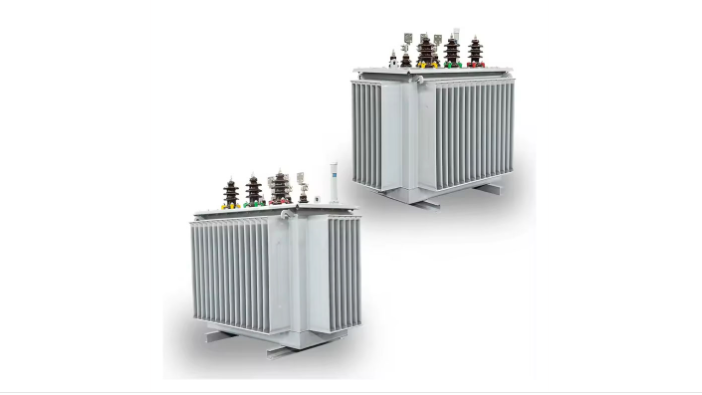
3.Core technology analysis: Where does high efficiency come from?
3.1 Upgrade of Low Loss Core Materials
The iron core is the core component that determines the no-load loss of a transformer.
The current mainstream technologies include:
High grade cold-rolled oriented silicon steel (Hi-B/Laser Scribed)
Significant reduction in hysteresis loss
More uniform distribution of magnetic flux
Amorphous alloy core
No load loss can be reduced by 60% -70%
Specially suitable for 24-hour operation of power distribution systems
Amorphous alloy transformers are becoming the preferred choice for high energy efficiency projects in distribution networks and industrial parks.
3.2 Optimization Design of Winding and Conductor
The main source of load loss is copper loss in the winding.
The key technical means include:
- Optimize conductor cross-sectional area and current density
- Reduce eddy currents and skin effects
- Use high-purity copper conductors or reasonable aluminum copper alternatives
- Improve winding arrangement and interlayer structure
In industrial transformers and large capacity power transformers, the winding design capability directly determines the efficiency upper limit.
3.3 Collaborative optimization of structure and cooling system
High efficiency does not mean “less heat generation”, but rather more rational heat management.
Improve the layout of oil or air ducts
Improve heat dissipation efficiency and reduce hotspot temperature
Extend insulation life
Improve long-term operational stability
This is particularly crucial for heavy-duty industrial scenarios and high ambient temperature areas (Middle East, Africa).
4.International energy efficiency standards drive market upgrading
Major global markets have gradually raised the minimum energy efficiency requirements for transformers
- EU: EU EcoDesign (Tier 2)
- United States: DOE Energy Efficiency Standards
- China: GB 20052 High Efficiency Transformer Standard
The common characteristics of these standards are:
Low energy efficiency products are gradually being banned from entering the market, and high efficiency transformers have become the entry threshold.
For export-oriented enterprises, energy efficiency rating is equivalent to a market pass.
5.Typical application scenario analysis
5.1 Industrial Manufacturing Systems
Steel, chemical, cement, mining
Long term high load operation
Short energy-saving profit recovery cycle
5.2 Power transmission and distribution system
Urban power distribution network
industrial park
New substation construction
5.3 New Energy and Energy Storage Projects
Photovoltaic booster station
wind farm
Energy storage system supporting transformer

6.The transition from “initial cost” to “full lifecycle cost”
The purchase price of high performance transformers is usually slightly higher than that of ordinary models, but from the perspective of TCO (Total Cost of Ownership):
- Significant reduction in electrical energy loss
- Long term savings in operating costs
- Longer lifespan of equipment
- The investment payback period is usually 2-5 years
This is also the fundamental reason why more and more industrial customers are actively choosing high performance solutions.
7.High efficiency is no longer a trend, but a necessity
With stricter energy regulations, rising electricity prices, and increased awareness of energy conservation among enterprises, low loss and high-efficiency transformers are becoming the “new normal” of the global power system.
In the future, efficiency, reliability, and intelligence will jointly constitute the three core directions for upgrading transformer technology.
Luoyang Datang Energy Technology Co., Ltd. is a high-tech enterprise integrating R&D, manufacturing and supply of power equipment such as transformers, new energy components, distribution cabinets and inverters. With technological innovation as the core, we focus on creating high-reliability and high-performance power solutions to serve global customers. With a strict quality control system and international standard certification, we continue to output excellent products and enable customers to build safe and stable power systems.
RELATED POSTS

Home Energy System Power Inverter WVC-300: A leader in smart home energy solutions

BT169 thyristor: "Smart Switches" for Power Electronics
Electrical Transformers: Working Principles, Types, and Modern Applications
Micro Inverters: The Smart Choice for Solar Energy Systems
250 kVA Transformer Price: A Comprehensive Guide to Kirloskar Transformers