Electronic Components Supplier | Transformers, Inductors, Inverters


1.What is a dry-type transformer?
Dry-type transformer is a type of power transformer that does not use liquid oil as a cooling medium. It maintains temperature stability by naturally dissipating heat through air. Dry type transformers have the advantages of environmental protection, safety, and pollution-free, and are widely used in urban power distribution, industrial equipment, construction, and other fields.
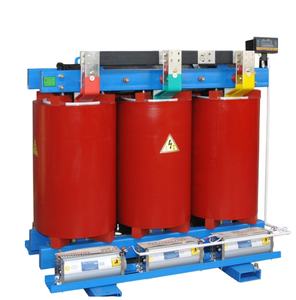
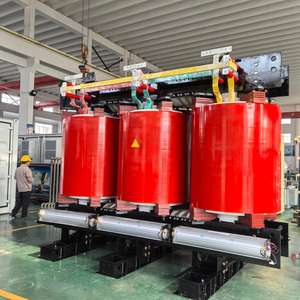
dry-type transformer
1.1 Structural characteristics of dry-type transformer
The structure of dry-type transformer is relatively simple, mainly composed of iron cores, windings, and insulation materials. The iron core is made of stacked silicon steel sheets, and the winding is generally made of highly conductive copper or aluminum wire. Due to not using an oil tank for cooling, dry-type transformers have a compact volume and are suitable for use in environments with limited space.
1.2 Working principle of dry-type transformer
The working principle of dry-type transformer is similar to other types of transformers, relying on the principle of electromagnetic induction to complete voltage conversion. When high voltage current passes through the high voltage winding of a transformer, a magnetic field is generated in the iron core, and current is induced in the low voltage winding through the magnetic field, thereby achieving voltage rise and fall conversion.
2.Advantages of dry-type transformer
Compared to oil immersed transformers, dry-type transformer have multiple unique advantages.
2.1 High Security
Due to the fact that dry-type transformer do not use oil as a cooling medium, the risk of fire or environmental pollution caused by oil leakage is avoided. Therefore, it is widely used in places that require high safety, such as schools, hospitals, shopping centers, etc.
2.2 Strong environmental friendliness
Dry-type transformer use air as the cooling medium, which does not contain harmful substances and meets environmental protection requirements. Especially in today’s increasingly strict environmental regulations, dry-type transformers have become the preferred choice for many projects.
2.3 Low maintenance cost
The structure of dry-type transformer is simple and easier to maintain. It does not require regular replacement of transformer oil, nor does it require oil sample testing like oil immersed transformers, thus greatly reducing maintenance costs.
3.Application fields of dry-type transformer
Dry-type transformer are widely used in various industries, especially in places with high requirements for safety and environmental protection.
3.1 Urban power distribution
In high-rise buildings and commercial areas of cities, dry-type transformer are commonly used in power distribution systems due to their high safety and compact size. Especially in some public buildings, the use of dry-type transformers can effectively reduce the risk of fire and improve the reliability of power supply.
3.2 Industrial Equipment and Manufacturing Industry
Many industrial equipment, factories, and manufacturing industries also extensively use dry-type transformer. Especially in the power supply of some precision equipment, dry-type transformers can provide stable voltage output to ensure the normal operation of the equipment.
3.3 Renewable Energy Systems
With the continuous development of renewable energy, dry-type transformer have also been widely used in fields such as solar power generation and wind power generation. The efficiency and reliability of dry-type transformers are crucial for the stable operation of these systems.
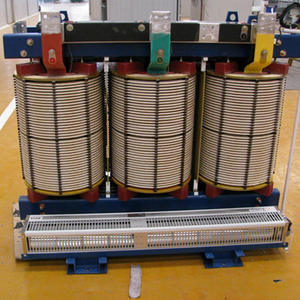
urban power distribution
4.Future development trend of dry-type transformer
With the continuous growth of electricity demand and the continuous improvement of environmental protection requirements, the technology of dry-type transformer is also constantly developing.
4.1 Intelligence and Digitalization
In the future, dry-type transformer will become more intelligent. By integrating advanced sensors and intelligent control systems, dry-type transformers can monitor their operating status in real time, achieve fault warning and remote control, and improve the operational efficiency of the power system.
4.2 Efficient and energy-saving
With the increasing demand for energy efficiency, dry-type transformer will develop towards a more efficient and energy-saving direction. The new insulation materials and low loss design will further improve the energy efficiency of dry-type transformer, thereby meeting stricter environmental and energy efficiency standards.
RELATED POSTS
Important progress has been made in research testing high-altitude UHV transformer AC bushings.
Smart Energy Management: The Brain Behind Modern Power Systems
Raising Salaries Doesn’t Work! The Truth Behind the Factory Electrician “Turnover Tide” and How to Fix It
In depth analysis of epoxy resin dry-type transformers: manufacturing process, performance indicators, and international market applications

100 kVA 11kV/400V Transformer Price Guide – Factors & Market Trends
