


ইলেকট্রনিক উপাদান সরবরাহকারী | ট্রান্সফরমার, ইন্ডাক্টর, ইনভার্টার


উচ্চ ভোল্টেজ প্রধান পাওয়ার ট্রান্সফরমার
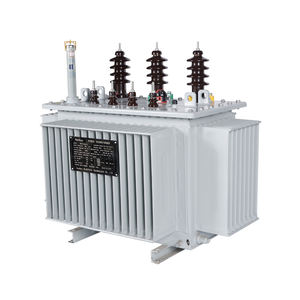
একক ফেজ পোল মাউন্ট করা ট্রান্সফরমার 75kva HV:23900Y/13800V LV:120/240ভি
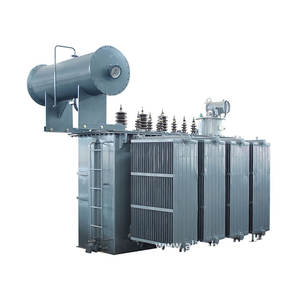
কাস্টমাইজযোগ্য উচ্চ ফ্রিকোয়েন্সি PQ4040-2KW24V অনুরণিত ডিভাইস সম্মিলিত প্রধান যন্ত্র ট্রান্সফরমার পুরানো পণ্য বিভাগ ট্রান্সফরমার
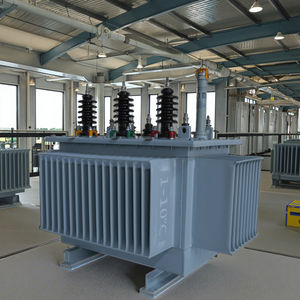
পুরো S22-M টাইপ 6-10kv তেলে নিমজ্জিত পাওয়ার ট্রান্সফরমার 500/630/8000KVA তিন ফেজ 110V আউটপুট ভোল্টেজ 35KV ইনপুট 50Hz
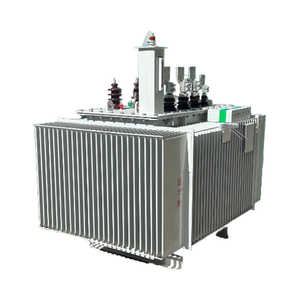
S13-2500KVA ইন্ডাস্ট্রিয়াল ট্রান্সফরমার 480V তেল নিমজ্জিত মাঝারি উচ্চ ভোল্টেজ 11kV তিন ফেজ 50Hz/60Hz 10kV ইনপুট & 440V আউটপুট
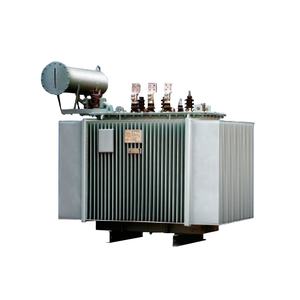
আউটডোর 630/800kVA মোবাইল ডিস্ট্রিবিউশন স্টেশন বক্স-টাইপ ট্রান্সফরমার আগে থেকে ইনস্টল করা MV&এইচভি সুইচগিয়ার থ্রি 480V/440V 10kV
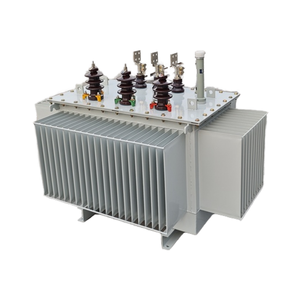
380V 220V 4000W 5000W একক ফেজ উচ্চ নির্ভুলতা 2 Phase Factory Direct Step up Step Down Voltage Transformer

উচ্চ মানের 3150kVA 5000kVA তেল নিমজ্জিত তিন-ফেজ বিতরণ ট্রান্সফরমার 35KV ইনপুট ভোল্টেজ এমভি&HV ট্রান্সফরমার 10KV

ফ্যাক্টরি ডাইরেক্ট হাই ভোল্টেজ সিঙ্গেল ফেজ পাওয়ার ট্রান্সফরমার 10Kv 24Kv 35Kv MV 50Hz 60Hz ফ্রিকোয়েন্সি
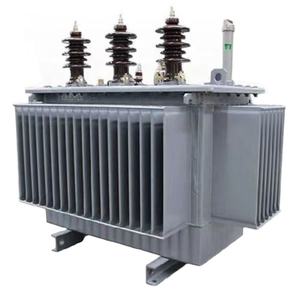
শিল্প ব্যবহার MV&ট্রান্সফরমার কুপার ফয়েল জন্য HV & হাসপাতাল ইপোক্সি কাস্ট রেজিন ড্রাই স্টেপ-আপ পাওয়ার ডিস্ট্রিবিউশন ট্রান্সফরমার
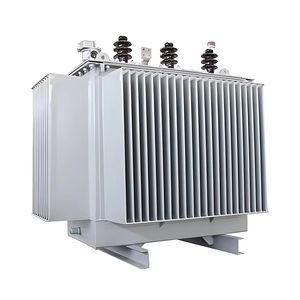
বৈদ্যুতিক সরঞ্জাম 11Kv 33Kv উচ্চ ভোল্টেজ Mv Hv ট্রান্সফরমার থ্রি-ফেজ অয়েল ইমার্সড ট্রান্সফরমার 1000kVA পাওয়ার ট্রান্সফরমার
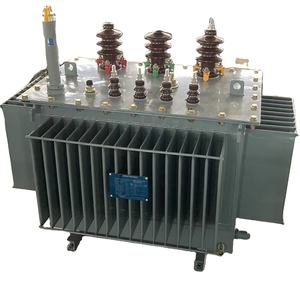
Professional ‘s Best Outdoor High Voltage Power Transformer Substation for Industry Use 6kv 35kv Input Coils
10kV এর উচ্চ ভোল্টেজ এবং JSZW3-3,6,10A এর নিচে,বি ড্রাই-টাইপ পাওয়ার ট্রান্সফরমার
Overview of High Voltage Main Power Transformers
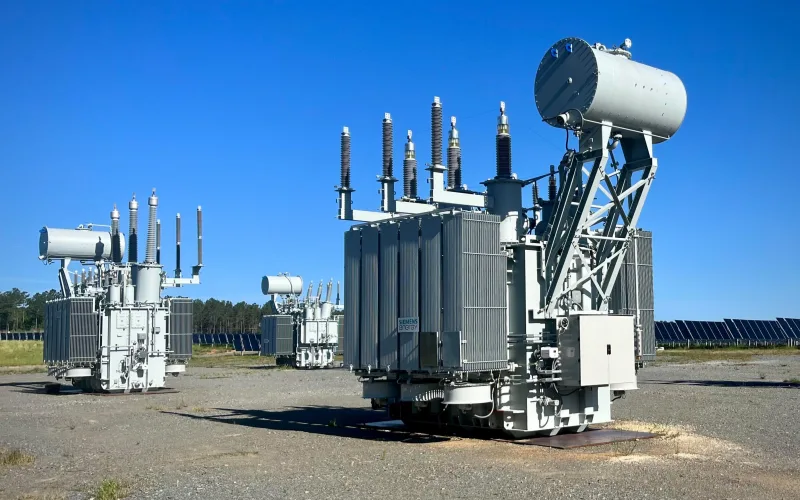
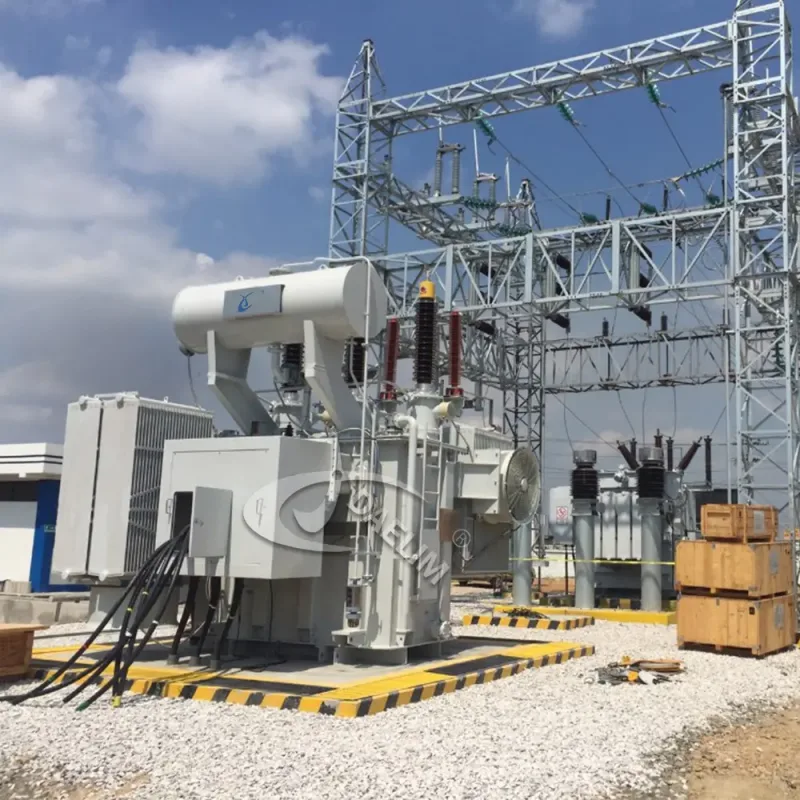
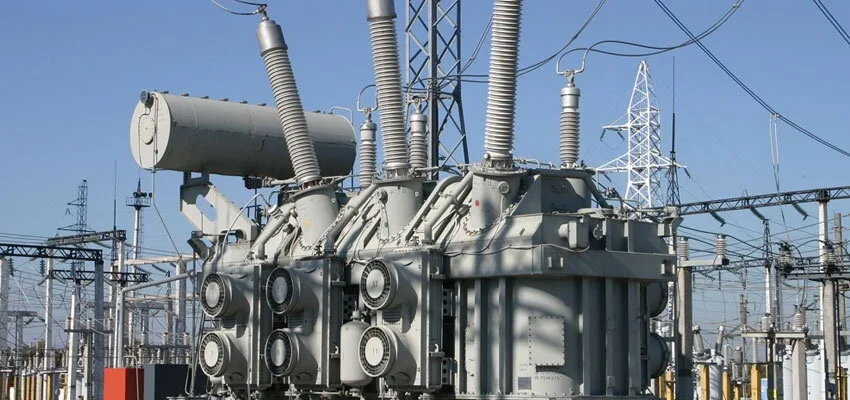
উচ্চ ভোল্টেজ প্রধান পাওয়ার ট্রান্সফরমারগুলি গুরুত্বপূর্ণ সরঞ্জাম বৈদ্যুতিক শক্তি ট্রান্সমিশন সিস্টেম, বৃহৎ বৈদ্যুতিক লোড পরিচালনা করার জন্য এবং দীর্ঘ দূরত্বের বিদ্যুৎ সঞ্চালনের জন্য ভোল্টেজের মাত্রা রূপান্তর করার জন্য ডিজাইন করা হয়েছে.
এই ট্রান্সফরমারগুলি সাধারণত ইনস্টল করা হয় পাওয়ার প্ল্যান্ট, বৈদ্যুতিক সাবস্টেশন, এবং জাতীয় গ্রিড অবকাঠামো, শহর এবং অঞ্চল জুড়ে বিদ্যুতের দক্ষ সঞ্চালন সক্ষম করা. দৃঢ় নকশা এবং উচ্চ নিরোধক কর্মক্ষমতা সঙ্গে, উচ্চ ভোল্টেজ ট্রান্সফরমার নিশ্চিত করে স্থিতিশীল এবং নির্ভরযোগ্য পাওয়ার সাপ্লাই আধুনিক শক্তি নেটওয়ার্কের জন্য.
কিভাবে উচ্চ ভোল্টেজ পাওয়ার ট্রান্সফরমার কাজ করে
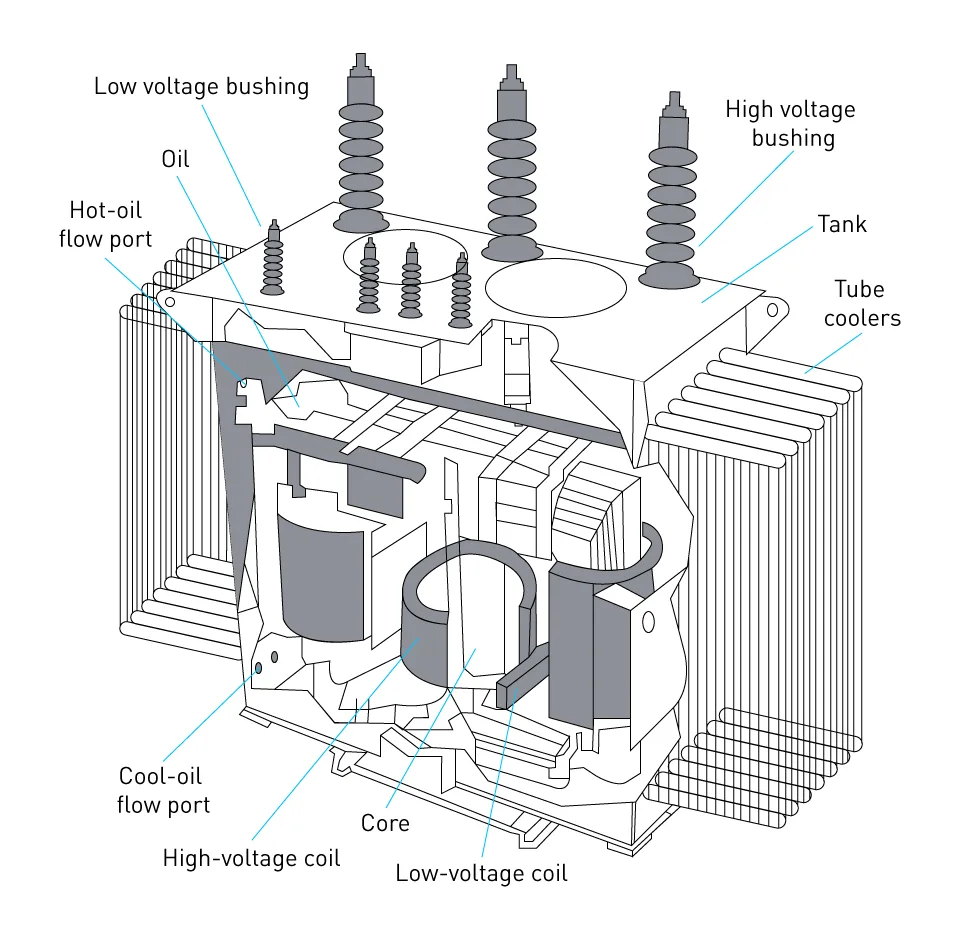
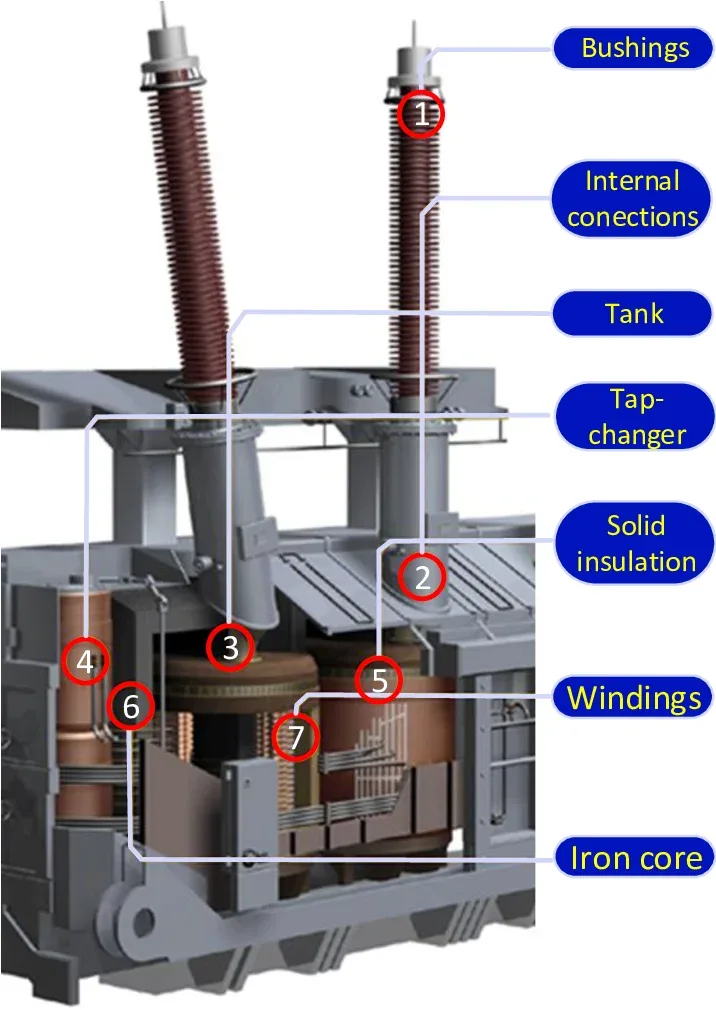
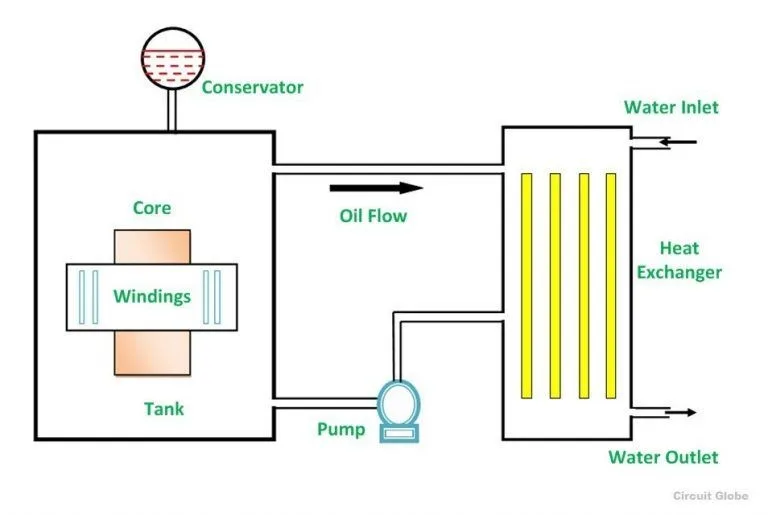
উচ্চ ভোল্টেজ ট্রান্সফরমারগুলি সার্কিটের মধ্যে বৈদ্যুতিক শক্তি স্থানান্তর করে যখন ভোল্টেজের মাত্রা বৃদ্ধি বা হ্রাস করে ইলেক্ট্রোম্যাগনেটিক আনয়ন.
| কম্পোনেন্ট | ফাংশন |
|---|---|
| কোর | দক্ষ শক্তি স্থানান্তরের জন্য চৌম্বকীয় প্রবাহ পরিচালনা করে |
| উচ্চ ভোল্টেজ ঘুর | Carries high-voltage electrical current and transfers electrical energy through electromagnetic induction |
| কম ভোল্টেজ ঘুর | Carries low-voltage electrical current and transfers energy to or from the high-voltage winding |
| অন্তরণ | Electrically isolates the windings and other components to prevent short circuits and electrical breakdown |
| ট্রান্সফরমার তেল | Provides electrical insulation and removes heat generated during operation |
| ট্যাঙ্ক | Houses and protects the core, windings, and insulating oil |
| Bushing | Provides a safe insulated connection for conductors passing through the transformer tank |
| চেঞ্জারে ট্যাপ করুন | Adjusts the winding turns ratio to regulate the output voltage |
| কুলিং সিস্টেম | Dissipates heat from the transformer to maintain a safe operating temperature |
| Conservator Tank | Accommodates the expansion and contraction of transformer oil caused by temperature changes |
| শ্বাস | Prevents moisture from entering the transformer while allowing air exchange as the oil expands and contracts |
| রেডিয়েটর | Increases the surface area for heat dissipation and helps cool the transformer oil |
| Grounding System | Provides a safe path for fault current and helps protect equipment and personnel |
এই ট্রান্সফরমার অধীনে কাজ করার জন্য ডিজাইন করা হয় উচ্চ বৈদ্যুতিক চাপ এবং ভারী লোড অবস্থা, পাওয়ার গ্রিডে নির্ভরযোগ্য অপারেশন নিশ্চিত করা.
উচ্চ ভোল্টেজ পাওয়ার ট্রান্সফরমারের প্রকারভেদ
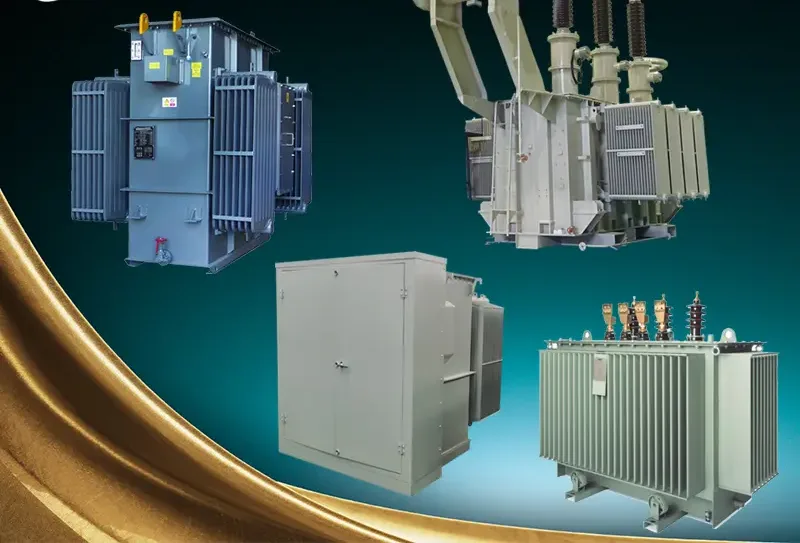
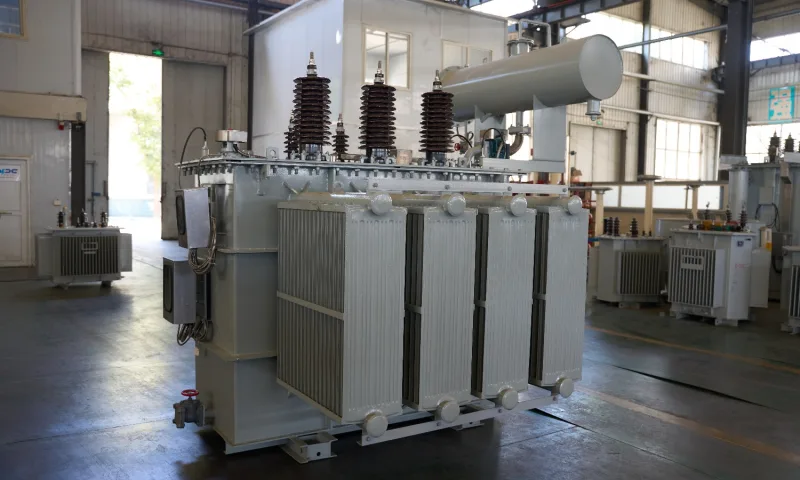
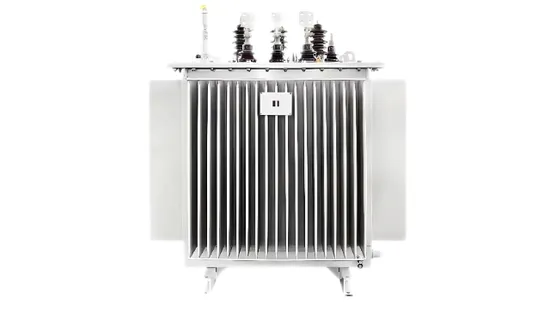
- স্টেপ-আপ পাওয়ার ট্রান্সফরমার - দীর্ঘ-দূরত্বের সংক্রমণের জন্য ভোল্টেজ বাড়ায়.
- স্টেপ-ডাউন পাওয়ার ট্রান্সফরমার - বিতরণ নেটওয়ার্কের জন্য ভোল্টেজ হ্রাস করে.
- তিন-ফেজ পাওয়ার ট্রান্সফরমার - বড় আকারের পাওয়ার সিস্টেমে ব্যবহৃত হয়.
- গ্রিড সাবস্টেশন ট্রান্সফরমার - ট্রান্সমিশন সাবস্টেশনে ইনস্টল করা হয়েছে.
উচ্চ ভোল্টেজ পাওয়ার ট্রান্সফরমারের সুবিধা
- দক্ষ দীর্ঘ দূরত্ব পাওয়ার ট্রান্সমিশন
- পাওয়ার গ্রিডের জন্য উচ্চ লোড ক্ষমতা
- মজবুত নিরোধক এবং কুলিং ডিজাইন
- ইউটিলিটি নেটওয়ার্কে নির্ভরযোগ্য অপারেশন
- স্থিতিশীল কর্মক্ষমতা সঙ্গে দীর্ঘ সেবা জীবন
কোম্পানির প্রোফাইল
লুওয়াং দাতাং এনার্জি টেকনোলজি কো., লিমিটেড. R একীভূত একটি উচ্চ প্রযুক্তির এন্টারপ্রাইজ&ডি, উত্পাদন, এবং পাওয়ার সরঞ্জাম এবং পুনর্নবীকরণযোগ্য শক্তি সমাধান সরবরাহ. ট্রান্সফরমার বিশেষজ্ঞ, নতুন শক্তি উপাদান, বিতরণ ক্যাবিনেট, এবং ইনভার্টার, আমরা অন্তর্ভুক্ত করার জন্য আমাদের পোর্টফোলিও প্রসারিত করেছিসৌর শক্তি সিস্টেম, শক্তি সঞ্চয় সমাধান, এবংবায়ু উত্স তাপ পাম্প. আমাদের মূল হিসাবে প্রযুক্তিগত উদ্ভাবন সঙ্গে, আমরা বিশ্বব্যাপী গ্রাহকদের পরিবেশন করার জন্য উচ্চ-নির্ভরযোগ্যতা এবং উচ্চ-কর্মক্ষমতা শক্তি এবং শক্তি দক্ষতা সমাধান তৈরিতে ফোকাস করি. একটি কঠোর মান নিয়ন্ত্রণ ব্যবস্থা এবং আন্তর্জাতিক মানের শংসাপত্রের মাধ্যমে, আমরা ক্রমাগত চমৎকার পণ্য সরবরাহ করি যা আমাদের গ্রাহকদের নিরাপদ তৈরি করতে সক্ষম করে, স্থিতিশীল, এবং টেকসই পাওয়ার সিস্টেম.
আপনি যদি একটি উচ্চ মানের খুঁজছেন, উচ্চ-ভোল্টেজ নেতৃস্থানীয় পাওয়ার ট্রান্সফরমার সরবরাহকারী, আমরা আপনাকে আমাদের সাথে যোগাযোগ করতে আমন্ত্রণ জানাই বা অনুসন্ধানের জন্য সম্পর্কিত পণ্যগুলিতে ক্লিক করুন.
Payment Methods of High Voltage Main Power Transformers
এল/সি, টি/টি, ওয়েস্টার্ন ইউনিয়ন, পেপ্যাল, ক্রেডিট কার্ড ইত্যাদি.
Shipment of High Voltage Main Power Transformers
পেমেন্ট পেয়ে গেলে, সমুদ্র দ্বারা, বায়ু দ্বারা, অথবা যত তাড়াতাড়ি সম্ভব এক্সপ্রেস দ্বারা.
FAQs of High Voltage Main Power Transformers
1. একটি উচ্চ ভোল্টেজ পাওয়ার ট্রান্সফরমার কি??
A high voltage power transformer is a large electrical device designed to increase or decrease voltage levels in power generation, সংক্রমণ, and distribution systems. It operates based on the principle of ইলেক্ট্রোম্যাগনেটিক আনয়ন, transferring electrical energy between circuits while maintaining the same frequency.
High voltage transformers are typically engineered for উচ্চ দক্ষতা, নির্ভরযোগ্য অপারেশন, এবং দীর্ঘ সেবা জীবন, making them essential components of modern electrical power networks.
2. যেখানে উচ্চ ভোল্টেজ ট্রান্সফরমার ব্যবহার করা হয়?
High voltage power transformers are widely used in পাওয়ার প্ল্যান্ট, বৈদ্যুতিক সাবস্টেশন, transmission networks, শিল্প সুবিধা, এবং জাতীয় পাওয়ার গ্রিড অবকাঠামো.
They are commonly installed at different stages of the power system to:
- Step up voltage for long-distance power transmission
- Step down voltage at substations
- Connect different voltage levels within the power grid
- Supply electricity to large industrial loads
- Improve the efficiency and reliability of power transmission systems
3. কি ভোল্টেজ স্তর উচ্চ ভোল্টেজ বিবেচনা করা হয়?
High voltage transformer applications can cover a wide range of voltage levels depending on the power system and regional standards.
Common transmission and sub-transmission voltage levels include 35কেভি, 66কেভি, 110কেভি, 132কেভি, 220কেভি, 330কেভি, 500কেভি, এবং উচ্চতর.
The appropriate voltage rating depends on factors such as transmission distance, শক্তি ক্ষমতা, grid configuration, insulation requirements, and local electrical standards.
4. কেন উচ্চ ভোল্টেজ ট্রান্সফরমার বিদ্যুৎ সঞ্চালনের জন্য গুরুত্বপূর্ণ??
High voltage transformers play a critical role in reducing energy losses during long-distance electricity transmission.
দ্বারা stepping up the voltage, the same amount of electrical power can be transmitted at a lower current. Lower current helps reduce losses in transmission conductors, improving overall transmission efficiency.
At the receiving end of the network, transformers can then step down the voltage to levels suitable for distribution, শিল্প সরঞ্জাম, or other electrical loads.
5. একটি পাওয়ার ট্রান্সফরমারের সাধারণ আয়ুষ্কাল কত??
A properly designed, manufactured, installed, and maintained power transformer can typically operate for 30-40 বছর বা তার বেশি.
The actual service life depends on several factors, সহ:
- Operating temperature
- Electrical loading
- Insulation condition
- Transformer oil quality
- Moisture and contamination
- Short-circuit events
- Cooling system performance
- Regular inspection and maintenance
Proper monitoring and preventive maintenance can help extend the transformer's operational life and improve reliability.
6. What are the main components of a high voltage power transformer?
A high voltage power transformer consists of several key components that work together to ensure safe and efficient operation.
The major components include:
- কোর – Provides a low-reluctance path for magnetic flux.
- উচ্চ ভোল্টেজ ঘুর – Handles the high-voltage side of the transformer.
- কম ভোল্টেজ ঘুর – Handles the low-voltage side and transfers electrical energy through electromagnetic induction.
- নিরোধক সিস্টেম – Electrically isolates windings and other energized components.
- ট্রান্সফরমার তেল – Provides insulation and helps transfer heat away from the active parts.
- ট্যাঙ্ক – Protects the internal components and contains the insulating oil.
- বুশিংস – Provide insulated electrical connections between the internal windings and external circuits.
- কুলিং সিস্টেম – Dissipates heat generated during transformer operation.
- চেঞ্জারে ট্যাপ করুন – Adjusts the voltage ratio to help maintain the required output voltage.
7. What is the difference between a step-up and a step-down transformer?
The main difference is the relationship between the input and output voltage.
ক স্টেপ-আপ ট্রান্সফরমার increases the voltage from the primary side to the secondary side. It is commonly used at power generation facilities to increase voltage before electricity enters the transmission network.
ক স্টেপ-ডাউন ট্রান্সফরমার reduces voltage to a lower level. It is commonly used at substations and distribution systems to provide suitable voltage levels for industrial, বাণিজ্যিক, এবং আবাসিক অ্যাপ্লিকেশন.
8. How does a high voltage transformer work?
A high voltage transformer works through ইলেক্ট্রোম্যাগনেটিক আনয়ন.
When alternating current flows through the primary winding, it produces a changing magnetic field in the transformer core. This changing magnetic flux induces a voltage in the secondary winding.
The voltage ratio is primarily determined by the turns ratio between the primary and secondary windings.
This allows the transformer to transfer electrical energy between circuits while changing the voltage level according to the requirements of the power system.
9. How is a high voltage transformer cooled?
অপারেশন চলাকালীন, transformers generate heat due to winding losses, core losses, and other electrical losses. Effective cooling is therefore essential for maintaining reliable operation.
Depending on the transformer design and capacity, cooling may involve:
- Natural oil circulation
- Natural air cooling
- Forced oil circulation
- জোরপূর্বক এয়ার কুলিং
- Radiators
- Fans and pumps
Large power transformers often use a combination of oil circulation, radiators, ভক্ত, and pumps to efficiently remove heat.
10. What maintenance does a high voltage transformer require?
Regular maintenance is important for detecting potential problems before they lead to equipment failure.
Typical maintenance activities include:
- Checking transformer oil condition
- Inspecting bushings and terminals
- Monitoring oil and winding temperatures
- Checking for oil leakage
- Inspecting cooling equipment
- Testing insulation resistance
- Checking protection and monitoring devices
- Inspecting the tap changer
- Performing electrical diagnostic tests when required
The specific maintenance schedule should be determined according to the transformer's design, operating conditions, manufacturer recommendations, and applicable standards.