


Lieferant elektronischer Komponenten | Transformatoren, Induktoren, Wechselrichter


Wichtige Erkenntnisse
- Transformer bushings are manufactured through a multi-stage process beginning with raw material inspection and ending with rigorous electrical testing.
- The core manufacturing steps include conductor preparation, insulation layer winding, vacuum impregnation, Montage, and sealing.
- Each bushing must pass dielectric tests (power-frequency, partial discharge, tan delta) before shipment, ensuring reliability.
- Materialauswahl (copper/aluminum conductors, paper/epoxy insulation) directly impacts bushing performance and longevity.
From Raw Materials to Finished Bushings: A Factory Tour
Transformer bushings are the critical interface that carries high-voltage current through the transformer tank wall. Understanding their manufacturing process—from raw materials to finished product—helps customers appreciate the engineering and quality control behind each bushing. Precision manufacturing and rigorous testing ensure every bushing meets required performance standards.
The journey begins with careful selection of raw materials and continues through conductor preparation, insulation layering, core winding, vacuum impregnation, Montage, and final electrical testing. Each step maximizes dielectric strength, mechanical robustness, und langfristige Zuverlässigkeit.
Raw Material Selection and Inspection
Transformer bushings start with high-grade raw materials. The primary conductive material is electrolytic copper or aluminum, chosen for electrical conductivity and thermal performance. Insulation materials typically include high-quality electrical paper, pressboard, and epoxy resin systems. Incoming materials undergo dimensional checks, purity analysis, and mechanical property tests before entering the production line.
For paper-based insulation, moisture content and dielectric tangent delta are verified. For resin, viscosity, gel time, and mechanical strength are sampled. Only materials that pass these inspections proceed to the next stage, ensuring a consistent foundation.
Conductor and Insulation Layer Preparation
The conductor is shaped according to the bushing's rated current and voltage. For high-current bushings, multiple copper or aluminum strips are used in parallel. After cutting and forming, the conductor is cleaned and, if required, plated to improve corrosion resistance.
Insulation layers are prepared by cutting capacitor-graded paper or applying resin-impregnated paper (RUHE IN FRIEDEN) around the central conductor. The number of layers and thickness are calculated based on the voltage class. Winding machinery ensures uniform tension and alignment, directly affecting capacitance grading and partial discharge performance.
Core Winding and Body Formation
The core of a transformer bushing—often an oil-impregnated paper (OIP) or resin-impregnated paper (RUHE IN FRIEDEN) design—is formed by winding multiple layers of paper and conducting layers (foil screens) in a controlled sequence. These foils create a capacitive voltage divider that distributes the electric field evenly along the bushing length.
The winding process uses a dedicated machine that maintains constant tension and layer registration. Each layer is inspected for wrinkles, gaps, or debris. After winding the required number of layers, the core is taped or banded to hold its shape before the next treatment.
Vacuum Impregnation and Curing
After core formation, the core undergoes vacuum drying to remove moisture and volatiles. For oil-impregnated paper bushings, the dried core is impregnated with degassed, filtered transformer oil under vacuum. For resin-impregnated paper bushings, a low-viscosity epoxy resin is drawn into the paper layers under vacuum.
The impregnation process eliminates voids and ensures uniform dielectric properties. After impregnation, the bushing body is cured (for resin) or age-stabilized (for oil) in a controlled environment, with precise monitoring of temperature, Druck, and duration.
Assembly and Sealing
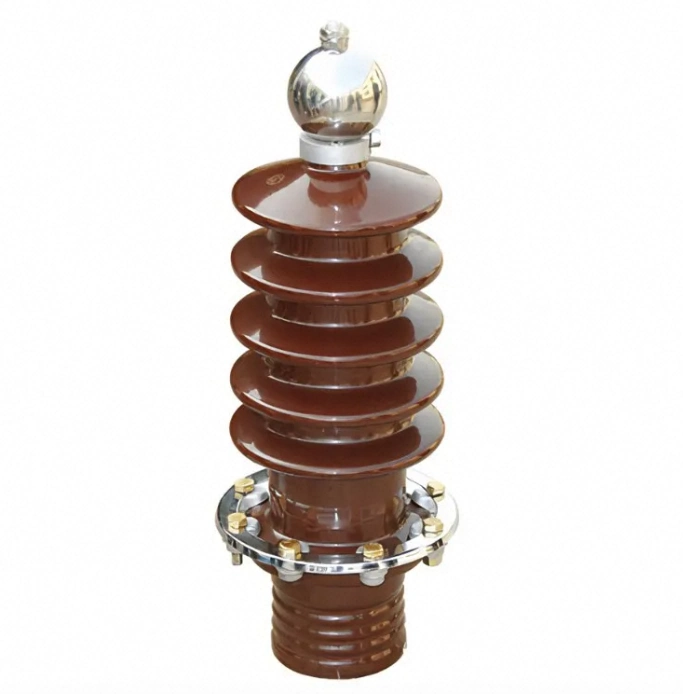
Once the core is fully cured or stabilized, it is assembled into the porcelain or composite housing. The housing provides mechanical protection and external insulation. Gaskets and sealing rings are installed to prevent leakage of oil or moisture ingress. For oil-filled bushings, an oil expansion system or nitrogen cushion is added to accommodate thermal expansion.
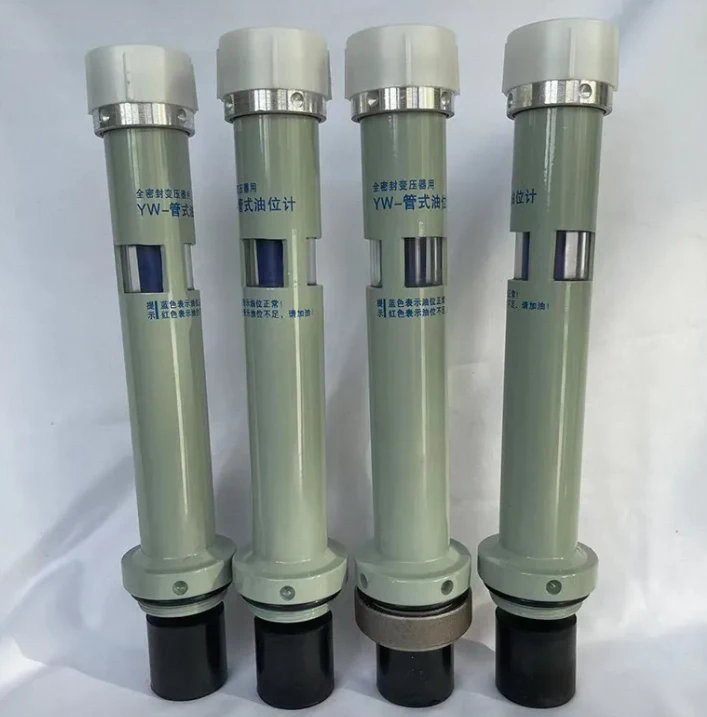
The assembly station also attaches terminal connectors, current-carrying studs, and monitoring devices (z.B., Ölstandsanzeiger, partial discharge sensors). For maintenance, Verständnis Austausch des Buchholzrelais is important. Each component is torqued to specification, and the assembly is visually inspected for alignment and finish.
Electrical Testing and Quality Inspection
Every finished bushing must pass a series of electrical tests before shipment. These include power-frequency withstand voltage, partial discharge measurement, tan delta and capacitance measurement, and insulation resistance tests. For high-voltage bushings, a lightning impulse test may also be performed. If overheating is detected, consulting Lösungen zur Buchsenüberhitzung can help resolve the issue.
All tests follow relevant international standards (such as IEC 60137). Test data is recorded and traceable to each bushing serial number. Bushings that fail are rejected or returned for rework. Only those that meet all specifications are cleared for packaging.
Packaging and Delivery Preparation
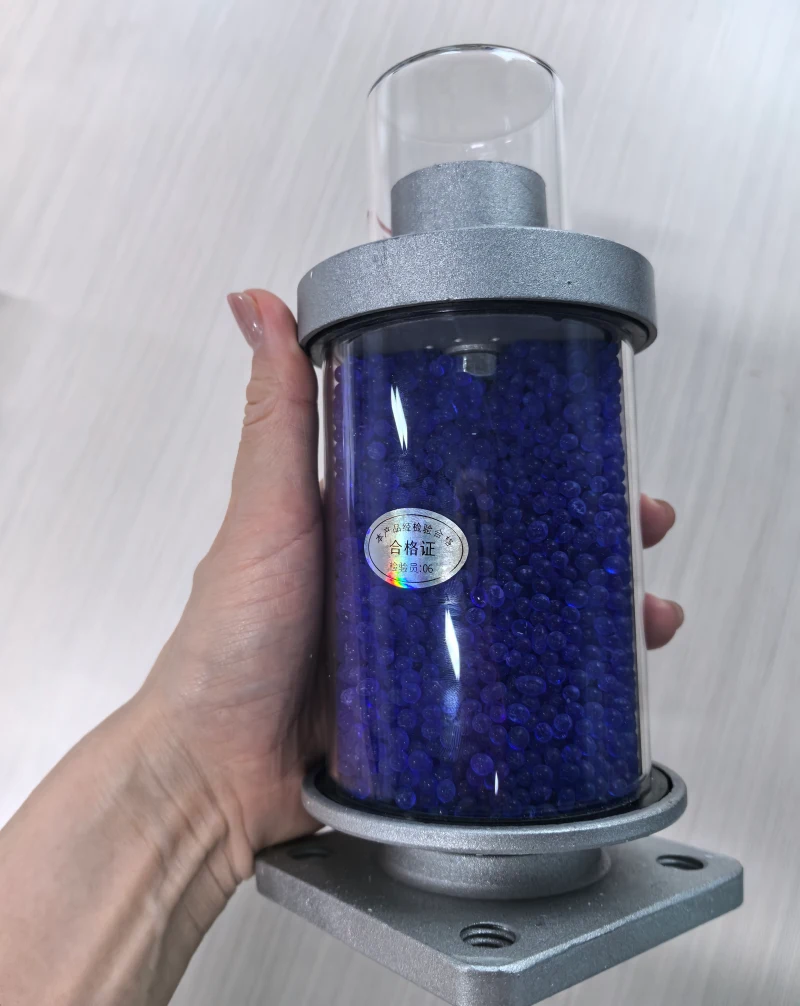
After passing all tests, the bushing is cleaned and prepared for packaging. It is wrapped with anti-corrosion and moisture-proof materials, placed in a wooden crate or steel frame, and secured for transportation. Desiccant packs with silica gel are included to control moisture; regular inspection of silica gel saturation is recommended to avoid transformer failure.
Along with the physical product, documentation such as test reports, material certificates, and handling instructions are included. The final step is palletizing and loading for shipment, with careful labeling to ensure traceability.
Häufig gestellte Fragen
What raw materials are used to make transformer bushings?
Common raw materials include electrolytic copper or aluminum for conductors, high-grade electrical paper or pressboard for insulation, and epoxy resin or transformer oil for impregnation. Porcelain or composite materials are used for the external housing.
Why is vacuum impregnation important in bushing manufacturing?
Vacuum impregnation removes moisture and air from the insulation layers and fills the voids with oil or resin. This eliminates partial discharge initiation sites and ensures consistent dielectric properties, which is critical for high-voltage operation.
What tests are performed on finished bushings before delivery?
Standard tests include power-frequency withstand voltage, partial discharge measurement, tan delta and capacitance measurement, Isolationswiderstand, and sometimes lightning impulse. These tests verify that the bushing meets the specified insulation and performance requirements.
Luoyang Datang Energy Technology Co., Ltd. ist ein High-Tech-Unternehmen, das R integriert&D, Herstellung und Lieferung von Energieanlagen wie Transformatoren, neue Energiekomponenten, Verteilerschränke und Wechselrichter. Mit technologischer Innovation als Kern, Wir konzentrieren uns auf die Entwicklung hochzuverlässiger und leistungsstarker Stromversorgungslösungen für globale Kunden. Mit einem strengen Qualitätskontrollsystem und internationaler Standardzertifizierung, Wir stellen weiterhin hervorragende Produkte her und ermöglichen unseren Kunden den Aufbau sicherer und stabiler Energiesysteme.
VERWANDTE BEITRÄGE
Die Luftwärmepumpe wird zum neuen Favoriten für die Energieeinsparung in Gebäuden
Einführung: Ein kleines Gerät, das einen millionenschweren Transformator schützt

Modulare Umspannwerke und Trockentransformatoren ebnen den Weg für die Entwicklung erneuerbarer Energien in Afrika
Lösungen für Probleme mit der Überhitzung von Transformatorbuchsen: Ursachen, Erkennung, und effektive Korrekturen

Thyristorgesteuerter Phasenwinkelregler (TCPAR): die innovative Lösung zur Leistungsregulierung
