


Lieferant elektronischer Komponenten | Transformatoren, Induktoren, Wechselrichter


Öltransformator
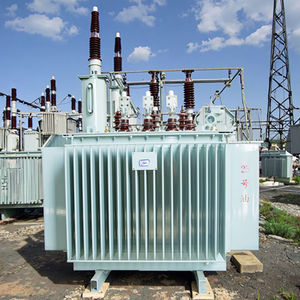
UL-zertifizierte Transformatoren bieten verbesserte Leistung für industrielle Anwendungen, Fortschrittliche Öl-Energie
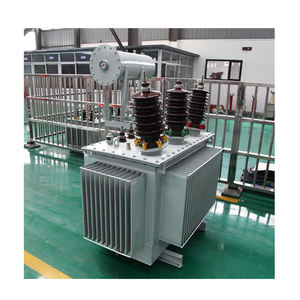
3 Phasenpad-montierter Transformator 34.5 Kv 13,2 kV 13,8 kV 1000 kV 1500 kV 2000 kV 3000 kV 1500 3000 Was für 1mva 2 1.5 Hören Sie sich 1mw 3phase an
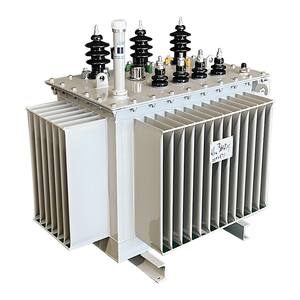
1000was für S11 2000 Kva 500kva Verteilung dreiphasiger elektrischer Hochspannungs-Öltransformator Best
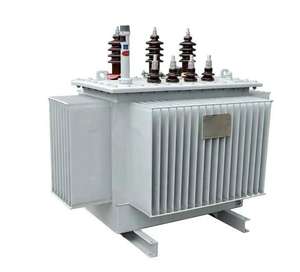
10.5kV 22kV 35kV Eingang 1000-7000kVA Dreiphasen-Trockentransformator geräuscharm elektrisch für Gleichrichtersystem
CE for Certified Oil-Immerse Power Transformer with Three-Phase Copper Cores Flyback Topology 15kV Input Promotion
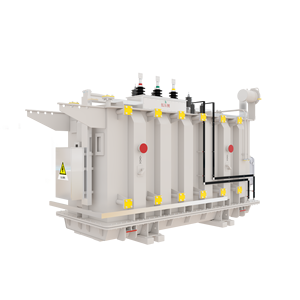
15kva 25 kva 37,5 kva 50 kva 100 kva 125 kva Step Up/down einphasige mastmontierte Ölverteilungstransformatoren s
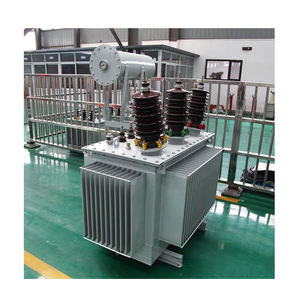
Professional 35kv High Voltage Three Phase Power Electric 1600kva 11kv 10kv Oil Immersed Power Transformer 4000 Kva
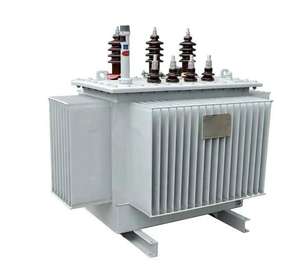
Ölgetauchter Leistungstransformator vom Typ S11, Ölwechsel-Kupferkern-Stromtransformator, 500 kVA, 10 kV
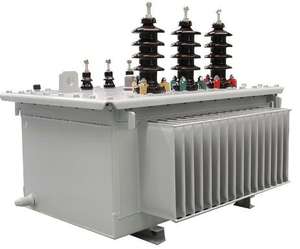
160KVA versiegelter 50-kVA-Transformator für den Außenbereich, 400-kVA-300-kVA-100-kVA-Öltransformator für elektrische Energie
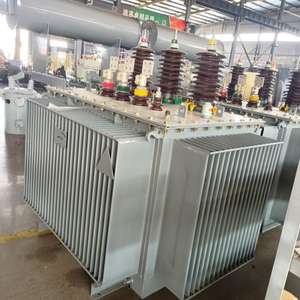
400kva 500 Kva 4000kva Dreiphasen-Abwärtstransformator 11kV bis 400V 415V Mastmontierter Verteilungstransformator
TSTY 13,8-kV-Transformator für den Außenbereich 3 Phase Power Electrical 50kva 100kva 200kva 300kva 400kva 1000kva Öltransformator
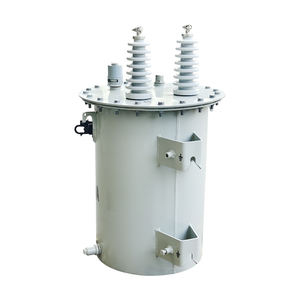
JSJW-10kV IEC-Standard mit dreiphasigem Ölstromtransformator mit Nennleistung 300/5A
Overview of Oil Immersed Transformers
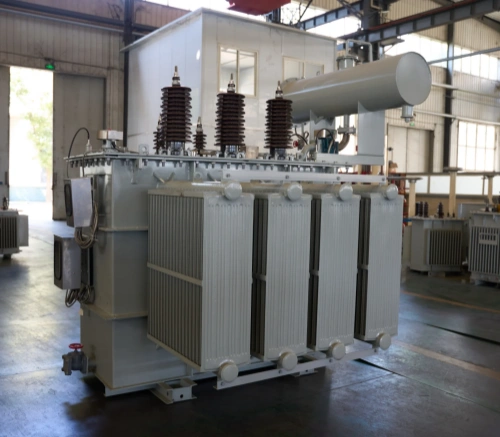
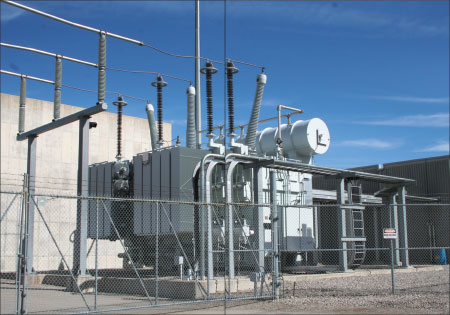

Öltransformatoren werden häufig verwendet Energieübertragungs- und -verteilungssysteme aufgrund ihrer hohen Zuverlässigkeit, starke Isolationsleistung, und effiziente Wärmeableitung. Diese Transformatoren verwenden isolierendes Mineralöl um die internen Komponenten zu kühlen und zu isolieren, Gewährleistung eines stabilen Betriebs auch bei hoher elektrischer Belastung.
Ölgefüllte Transformatoren werden häufig eingesetzt Kraftwerke, Umspannwerke, Industrieanlagen, und erneuerbare Energieprojekte, Bereitstellung einer effizienten Spannungsumwandlung und zuverlässigen Stromversorgung für die moderne elektrische Infrastruktur.
Wie Öltransformatoren funktionieren

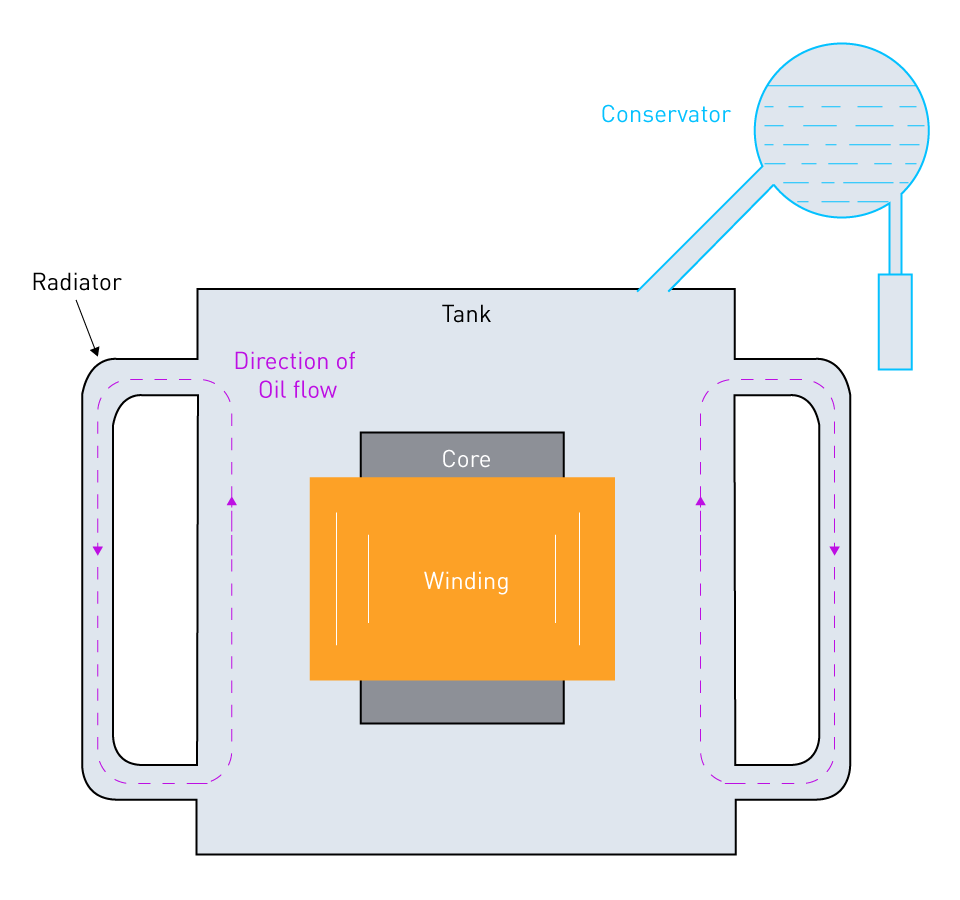
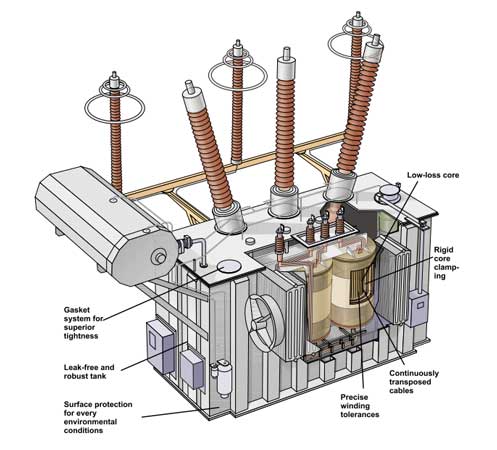
An oil immersed transformer operates by transferring electrical energy between circuits through elektromagnetische Induktion, while using insulating oil for both electrical insulation and heat dissipation.
| Komponente | Funktion |
|---|---|
| Kern | Transfers magnetic flux efficiently and provides a low-reluctance path for magnetic flux |
| Wicklungen | Conduct electrical current and transform voltage levels through electromagnetic induction |
| Transformatoröl | Provides electrical insulation and dissipates heat generated during operation |
| Öltank | Houses and protects the internal components and contains the insulating oil |
| Kühler / Kühlsystem | Removes heat generated during operation and helps maintain a safe operating temperature |
| Hochspannungswicklung | Carries current at the high-voltage side and provides the required voltage transformation |
| Niederspannungswicklung | Carries current at the low-voltage side and transfers electrical energy to or from the high-voltage circuit |
| Isoliersystem | Electrically isolates the windings, Kern, and other energized components to prevent insulation failure |
| Bushing | Provides an insulated connection between the internal windings and external electrical circuits |
| Tippen Sie auf Wechsler | Adjusts the transformer turns ratio to regulate the output voltage under specified operating conditions |
| Conservator Tank | Accommodates the expansion and contraction of transformer oil caused by temperature changes |
| Verschnaufpause | Prevents moisture and contaminants from entering the transformer while allowing air exchange |
| Ölstandsanzeige | Monitors the level of transformer oil and helps detect abnormal oil-level conditions |
| Temperaturanzeige | Monitors oil or winding temperature to help prevent overheating |
| Druckentlastungsgerät | Releases excessive internal pressure to protect the transformer tank during abnormal conditions |
| Grounding Terminal | Provides a reliable connection to ground for electrical safety and fault-current protection |
Während des Betriebs, Das Transformatoröl zirkuliert im Tank, Es nimmt Wärme vom Kern und den Wicklungen auf und überträgt sie an die Kühlkörper, Gewährleistung einer stabilen und sicheren Leistung.
Arten von Öltransformatoren
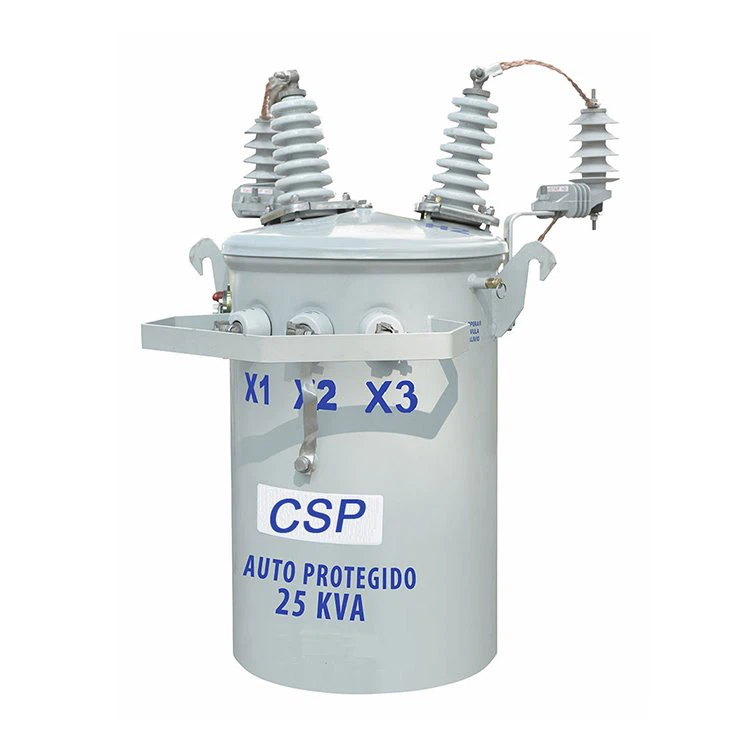
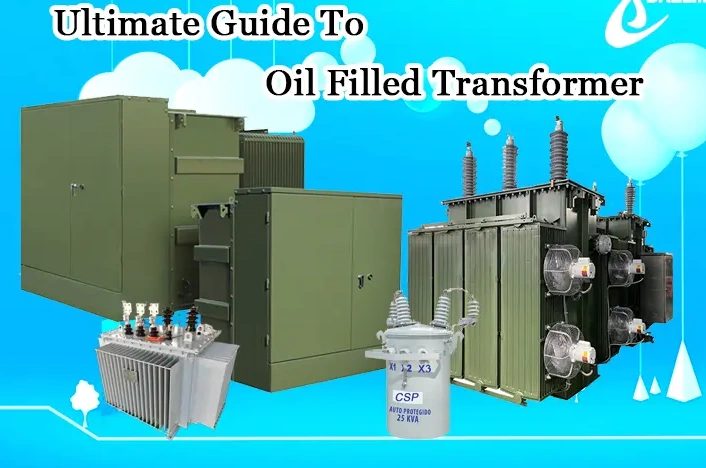
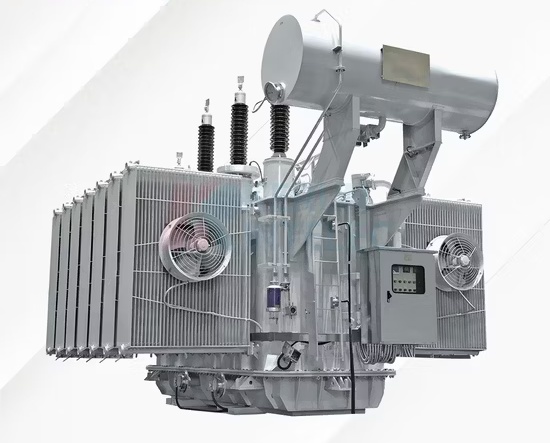
- Verteilungstransformatoren – Wird in lokalen Stromverteilungsnetzen zur Stromversorgung von Privat- und Gewerbekunden verwendet.
- Leistungstransformatoren – Konzipiert für Hochspannungsübertragung und große Umspannwerke.
- Dreiphasentransformatoren – Wird häufig in Industrie- und Energieversorgungssystemen verwendet.
- Transformatoren für erneuerbare Energien – Integriert in Solarparks und Windkraftanlagen.
Vorteile von Öltransformatoren
- Hervorragende Isolationsleistung – Transformatorenöl bietet eine hohe Spannungsfestigkeit
- Effiziente Kühlung – Die Ölzirkulation trägt zur effektiven Wärmeableitung bei
- Hohe Zuverlässigkeit – Geeignet für den Dauerbetrieb in Stromnetzen
- Lange Lebensdauer – Funktioniert bei ordnungsgemäßer Wartung normalerweise 25–30 Jahre
- Hohe Tragfähigkeit – Bewältigt schwere elektrische Lasten in industriellen Anwendungen
Unternehmensprofil
Luoyang Datang Energy Technology Co., Ltd. ist ein High-Tech-Unternehmen, das R integriert&D, Herstellung, und Lieferung von Energieausrüstung und Lösungen für erneuerbare Energien. Spezialisiert auf Transformatoren, neue Energiekomponenten, Verteilerschränke, und Wechselrichter, Wir haben unser Portfolio um erweitertSolarstromanlagen, Energiespeicher Lösungen, UndLuftwärmepumpen. Mit technologischer Innovation als unserem Kern, Wir konzentrieren uns auf die Entwicklung hochzuverlässiger und leistungsstarker Energie- und Energieeffizienzlösungen für globale Kunden. Durch ein strenges Qualitätskontrollsystem und eine internationale Standardzertifizierung, Wir liefern kontinuierlich hervorragende Produkte, die es unseren Kunden ermöglichen, sicher zu bauen, stabil, und nachhaltige Energiesysteme.
Wenn Sie auf der Suche nach einem hochwertigen sindÖltransformator Anbieter, Wir laden Sie ein, mit uns Kontakt aufzunehmen oder auf verwandte Produkte zu klicken, um eine Anfrage zu stellen.
Zahlungsmethoden für Öltransformatoren
L/C, T/T, Western Union, Paypal, Kreditkarte usw.
Versand eines Öltransformators
Sobald die Zahlung eingegangen ist, auf dem Seeweg, auf dem Luftweg, oder per Express so schnell wie möglich.
FAQs zu Öltransformatoren
1. Was ist ein Öltransformator??
An oil immersed transformer is a transformer that uses insulating oil as both a cooling medium and electrical insulation während des Betriebs. The transformer oil surrounds the core and windings, helping transfer heat away from the active components while providing insulation between energized parts.
Öltransformatoren werden häufig verwendet power transmission, Verteilung, industriell, kommerziell, and renewable energy applications.
2. Warum wird Transformatoröl verwendet??
Transformer oil performs two important functions: electrical insulation and heat dissipation.
It helps prevent electrical breakdown between internal components while also carrying heat generated by the core and windings to the cooling surfaces, such as radiators.
High-quality transformer oil can therefore contribute to stabiler Betrieb, effective cooling, and longer equipment service life.
3. Wie hoch ist die Lebensdauer eines Öltransformators??
With proper design, Installation, operation, und Wartung, an oil immersed transformer can typically operate reliably for 25–30 years or longer.
The actual service life depends on factors such as:
- Operating load
- Temperatur
- Insulation condition
- Transformer oil quality
- Moisture levels
- Short-circuit events
- Cooling system performance
- Maintenance practices
Regular inspection and condition monitoring can help identify potential problems and extend the transformer's useful operating life.
4. Wo werden Öltransformatoren eingesetzt??
Öltransformatoren werden häufig verwendet:
- Kraftwerke
- Umspannwerke
- Distribution networks
- Industrial facilities
- Commercial power systems
- Projekte für erneuerbare Energien
- Solarkraftwerke
- Wind power projects
- Large infrastructure projects
They are particularly suitable for applications requiring high power capacity and efficient heat dissipation.
5. Was ist der Unterschied zwischen Öltransformatoren und Trockentransformatoren??
Oil immersed transformers use insulating oil for cooling and electrical insulation, while dry-type transformers use air and/or solid insulation materials such as resin.
Oil immersed transformers are commonly selected for higher-capacity applications and outdoor installations, while dry-type transformers are often preferred where fire safety, Innenaufstellung, or reduced maintenance of liquid insulation is a priority.
The appropriate type depends on the Kapazität, installation environment, Sicherheitsanforderungen, and project specifications.
6. How does an oil immersed transformer work?
An oil immersed transformer operates according to the principle of elektromagnetische Induktion.
When alternating current flows through the primary winding, it creates a changing magnetic field in the transformer core. This changing magnetic flux induces voltage in the secondary winding.
The transformer oil surrounds the core and windings, providing electrical insulation and transferring heat generated during operation to the cooling system.
7. What are the main components of an oil immersed transformer?
The main components typically include:
- Magnetischer Kern – Provides a low-reluctance path for magnetic flux.
- Hochspannungswicklung – Handles the high-voltage side of the transformer.
- Niederspannungswicklung – Handles the low-voltage side.
- Transformatoröl – Provides insulation and cooling.
- Öltank – Contains the oil and protects internal components.
- Radiators – Dissipate heat from the transformer oil.
- Buchsen – Provide insulated electrical connections to external circuits.
- Tippen Sie auf Wechsler – Adjusts the voltage ratio when required.
- Conservator Tank – Accommodates changes in oil volume caused by temperature variations.
- Verschnaufpause – Helps prevent moisture from entering the transformer.
8. How is an oil immersed transformer cooled?
Heat generated by the transformer core and windings is transferred to the surrounding transformer oil. The heated oil then circulates toward the radiators or other cooling equipment, where heat is released into the surrounding environment.
Depending on the transformer design and capacity, cooling can use natural circulation, forced oil circulation, natural air cooling, or forced air cooling.
Larger transformers may use fans and oil pumps to improve heat dissipation.
9. How often should transformer oil be inspected or tested?
Transformer oil should be monitored periodically according to the manufacturer's recommendations, Betriebsbedingungen, and applicable standards.
Common tests may evaluate:
- Moisture content
- Dielectric strength
- Acidity
- Dissolved gases
- Oil condition
- Kontamination
- Oxidation condition
Regular oil testing can help identify insulation deterioration, Überhitzung, arcing, and other potential internal problems at an early stage.
10. Does an oil immersed transformer require regular maintenance?
Ja. Regular maintenance helps maintain safe and reliable transformer operation.
Typical maintenance activities include:
- Checking transformer oil level and condition
- Inspecting for oil leakage
- Checking bushings and terminals
- Inspecting radiators and cooling equipment
- Monitoring oil and winding temperatures
- Checking the conservator and breather
- Testing insulation performance
- Inspecting the tap changer
- Checking protection and monitoring devices
The maintenance interval should be determined according to the transformer design, Betriebsumgebung, load conditions, and manufacturer recommendations.