


Elektronesch Komponente Fournisseur | Transformers, Induktoren, Inverters


PRODUIT PARAMETER
Beschreiwung
Ufro engem ZITAT
Beschreiwung
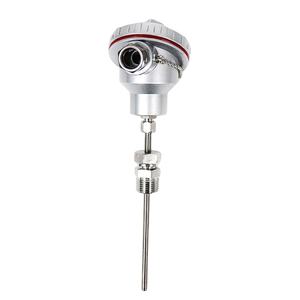
Overview of ODM 0-5V 4-20mA RS485 Non-Contact Industrial Digital Laser Infrared Temperature Thermometer Pyrometer IR Thermal Sensors
ODM 0-5V 4-20mA RS485 Non-Contact Industrial Digital Laser Infrared Temperature Thermometer Pyrometer IR Thermal Sensors is used to monitor the temperature during industrial production processes, déi entscheedend sinn fir Ausrüstungsoperatioun, Produit Qualitéit, an Produktioun Sécherheet. Et gi verschidden Zorten, wéi thermesch Resistenz Thermometer, Thermoelement Thermometer, Infraroutthermometer, opteschen Thermometer, etc., jidderee mat senge Virdeeler, Nodeeler, an applicabel Beräicher, déi no spezifesche Benotzungsëmfeld a Miessfuerderunge ausgewielt musse ginn. Regelméisseg iwwerpréift a kalibréieren fir Genauegkeet an Zouverlässegkeet ze garantéieren, liwweren zouverlässeg Temperaturmessdaten fir industriell Produktioun. D'Wiel an d'Benotzung vun industriellen Thermometer korrekt kann de glate Fortschrëtt vun der industrieller Ausgab garantéieren.
Characteristics of ODM 0-5V 4-20mA RS485 Non-Contact Industrial Digital Laser Infrared Temperature Thermometer Pyrometer IR Thermal Sensors
Héich Präzisioun Messung: Et huet normalerweis eng héich Präzisioun Temperaturmessung Funktioun, déi d'Temperaturwäerter genee moossen an weisen. Dëst ass dank der Benotzung vu Präzisiounstemperatursensoren a Miesskreesser.
Breet Temperaturbereich: fäeg sech un eng breet Palette vun Temperaturen unzepassen an industriell Prozesser vun extrem nidderegen bis héich Temperaturen ze moossen an ze kontrolléieren. Verschidde Modeller vun Temperaturkontroller kënnen ënnerschiddlech Temperaturberäicher hunn, a Benotzer kënnen de passenden Modell no hire spezifesche Besoinen wielen.
Multiple Kontrollmodi: Normalerweis ënnerstëtzt verschidde Kontrollmodi, wéi proportional Kontroll, PID Kontroll, fuzzy Kontroll, etc. Dës Kontrollmodi kënnen ausgewielt an ugepasst ginn no aktuellen Bedierfnesser fir präzis Temperaturkontroll a Stabilitéit z'erreechen.
Multiple Output Modi: Mat Multiple Output Modi fir Kommunikatioun a Kontroll mat aneren Apparater oder Systemer. Gemeinsam Ausgangsmethoden enthalen Analog Output (wéi Stroum- oder Spannungssignaler), digital Ausgang (wéi RS485 Kommunikatioun Interface), an Relaisausgang.
Grouss Écran Display: Ausgestatt mat engem groussen Ecran Display, et kann déi aktuell Temperatur kloer weisen, setzen Temperatur, an aner Zesummenhang Informatiounen. Dëst erlaabt d'Benotzer visuell Temperaturännerungen an Apparatstatus ze iwwerwaachen, mécht et bequem ze bedreiwen an Parameteren unzepassen.
Staark Anti-Interferenz Fäegkeet: Et ginn dacks verschidde Quelle vun Interferenz an industriellen Ëmfeld, wéi elektromagnetesch Interferenz, Schwéngung, an Temperaturschwankungen. Industriell Thermometer hunn normalerweis staark Anti-Interferenzfäegkeet, an Anti-Interferenz Design a Filteralgorithmen ginn ugeholl fir den Impakt vun der Interferenz op Temperaturmessung a Kontroll ze reduzéieren.
Programméierbar Funktioun: Mat programméierbar Funktioun, Benotzer kënnen Astellungen an Operatiounen no hire Besoinen personaliséiere. D'Benotzer kënnen Temperaturkurven astellen, Zäit Kontroll, an Alarmfunktiounen duerch d'Programméierungsinterface fir d'Bedierfnesser vu komplexe industrielle Prozesser ze treffen.
Sécherheet Schutz Funktioun: huet normalerweis Multiple Sécherheetsschutzfunktiounen fir d'Sécherheet vun Ausrüstung a Prozesser ze garantéieren. Zum Beispill, et kann Funktiounen hunn wéi Iwwertemperaturschutz, Stroumausfall Erënnerung, a Feeleralarm fir ze verhënneren datt fristgerecht Moossname geholl ginn am Fall vun enger Temperatur déi de séchere Beräich iwwerschreift oder Ausrüstungsfehler.
Einfach Installatioun: Industriell Thermometer kënnen op verschidde Manéieren installéiert ginn, wéi axial, radial, an universal, mécht et bequem fir d'Benotzer ze benotzen.
Gutt Haltbarkeet an Zouverlässegkeet: Industriell Thermometer ginn normalerweis aus héichqualitativen Materialien a Prozesser gemaach, déi gutt Haltbarkeet an Zouverlässegkeet hunn a stabil fir eng laang Zäit kënne schaffen.”
Specification of ODM 0-5V 4-20mA RS485 Non-Contact Industrial Digital Laser Infrared Temperature Thermometer Pyrometer IR Thermal Sensors
This non-contact industrial thermometer uses infrared technology. It measures surface temperatures without touching anything. A laser pointer helps target objects precisely. This device suits factory monitoring and control systems.
The sensor outputs signals in different formats. It offers a 0-5V analog voltage output. It provides a 4-20mA analog current loop output. An RS485 digital interface allows Modbus communication. These options integrate with PLCs and data loggers easily.
Measurements happen quickly. The response time is under 100 milliseconds. You get stable and reliable readings. D'Temperaturberäich ass breet. It measures from -50°C to 1000°C. Accuracy is high. The device is accurate within ±1% or ±1°C. Whichever is greater applies.
The optical resolution is 10:1. This means it reads a small spot size from a distance. The spectral response is 8-14μm. This works well for many industrial materials. The unit operates on 12-24VDC power. It consumes very little energy.
The housing protects the sensor. It carries an IP65 rating. Dëst bedeit datt et Staub a Waasserstrahlen widderstoen. Et funktionnéiert an haarden Ëmfeld. The temperature withstands -20°C to +75°C ambient conditions. It handles humidity up to 85%. Opriichte Optiounen sinn flexibel. You can use a bracket or flange.
Applications of ODM 0-5V 4-20mA RS485 Non-Contact Industrial Digital Laser Infrared Temperature Thermometer Pyrometer IR Thermal Sensors
Industrial temperature monitoring matters. ODM non-contact infrared pyrometers solve this problem. These sensors measure heat without touching the target. They use infrared technology. A laser pointer helps aim the sensor accurately. This avoids contact with hot, moving, or dangerous objects. Et hält d'Aarbechter sécher. It also prevents damage to the sensor or the product.
Different outputs are available. You can get 0-5V analog signals. 4-20mA current loops are another option. RS485 serial communication works for digital data transfer. This flexibility helps connect the sensor to various control systems. PLCs, data loggers, or HMIs can read the temperature easily.
Factories use these sensors widely. They monitor molten metal in foundries. They check furnace linings for hot spots. They track temperatures during plastic molding processes. Ensuring consistent heat is crucial for product quality. Overheating causes defects. Undercooling stops production. The sensor provides instant feedback.
Metal processing plants depend on these devices. They measure steel billets exiting furnaces. They monitor rolls in hot strip mills. Knowing the exact temperature allows precise control. Dëst spuert Energie. It reduces waste.
Food production lines need temperature checks too. These sensors monitor ovens, Fritten, and sterilizers. They ensure food reaches safe temperatures. Si verhënneren Ausrüstung Schued. Contamination risk is zero. The sensor never touches the food.
Power plants use them for boiler monitoring. They check steam lines and turbine casings. Preventing overheating protects expensive equipment. Labs use them for experiments involving heat. They measure small objects safely.
These sensors work in tough conditions. Industrial environments are harsh. Stëbs, Damp, and vibration are common problems. The sensors are built to last. They provide reliable readings consistently. Genauegkeet ass wesentlech. These pyrometers deliver that. They are a practical tool for industrial temperature control.
Firma Profil
PDDN Photoelectron Technology Co., Ltd., Ltd. ass eng vun de féierende Entreprisen a Kraaftelektronik Technologie a Kraaftprodukter, déi voll an der Entwécklung vu Solarinverter involvéiert ass, transformers, Volt reegler, Verdeelung cabinets, thyristors, Moduler, dioden, Heizungen, an aner elektronesch Apparater oder semiconductors. Mir wäerten verpflichte Benotzer mat héich-Qualitéit ze bidden, effizient Produkter a virsiichteg Service.
Et akzeptéiert Bezuelen iwwer Kreditkaart, T/T, West Unioun, an Paypal. PDDN wäert d'Wueren u Clienten iwwerséiesch iwwer FedEx schécken, DHL, vum Mier, oder duerch Loft. If you want high-quality ODM 0-5V 4-20mA RS485 Non-Contact Industrial Digital Laser Infrared Temperature Thermometer Pyrometer IR Thermal Sensors, weg schéckt eis Ufroen; mir wäerten hei sinn fir Iech ze hëllefen.
Bezuelmethoden
L/C, T/T, Western Union, Paypal, Kreditkaart etc.
Sendung
Mam Mier, duerch Loft, duerch express, wéi Clienten Ufro.
Stockage Konditiounen
1) Store an engem dréchen Ëmfeld bei Raumtemperatur.
2) Vermeiden Feuchtigkeit an héich Temperaturen.
3) Benotzt direkt no der Ouverture vun der banneschten Verpackungsbeutel.
5 FAQs of ODM 0-5V 4-20mA RS485 Non-Contact Industrial Digital Laser Infrared Temperature Thermometer Pyrometer IR Thermal Sensors
People often ask about our ODM non-contact temperature sensors. How accurate are these pyrometers? The accuracy is good for industrial needs. It depends on the model. Most measure within ±1% of the reading. Calibration helps keep them precise. Calibration checks are important.
How does the 0-5V or 4-20mA output work? The sensor measures the temperature. It converts this reading into a voltage or current signal. You choose 0-5V or 4-20mA. Connect these wires to your PLC or recorder. The signal tells your system the temperature. Et ass einfach.
What about the RS485 communication? This uses the Modbus RTU protocol. Connect the sensor to your network using RS485 wires. You can read the temperature data remotely. You can also change some settings. It’s useful for central monitoring systems.
How should I install the sensor? Point the laser dot at the spot you want to measure. Make sure the target fills the sensor’s field of view. Keep the lens clean. Montéiert et sécher. Avoid severe vibration if possible. Follow the distance-to-spot ratio guidelines. Proper installation gives the best readings.
Can dust or steam affect the measurement? Jo, stuff in the air can block the infrared signal. This might cause wrong readings. Try to keep the path clear. Use an air purge if needed. Protect the lens from getting dirty. Clean it gently if it gets dirty. This helps the sensor work right.
Ufro engem ZITAT
Zesummenhang PRODUITEN
Industriell Metal Fall Glas Thermometer V-Typ Thermometer Marine Thermometer

Pointer bimetal Thermometer 0-100 °C Grad 1.6 China Fabrikant beschwéiert
Industriell Thermometer Digital Infraroutrout Thermometer
-50~1300C Industriell k Typ Thermoelement Digital Thermometer TM902C
Transformator Ueleg Niveau Temperatur Controller BWY China Fabrikant
