Electronic Components Supplier | Transformers, Inductors, Inverters


Air Source Heat Pump
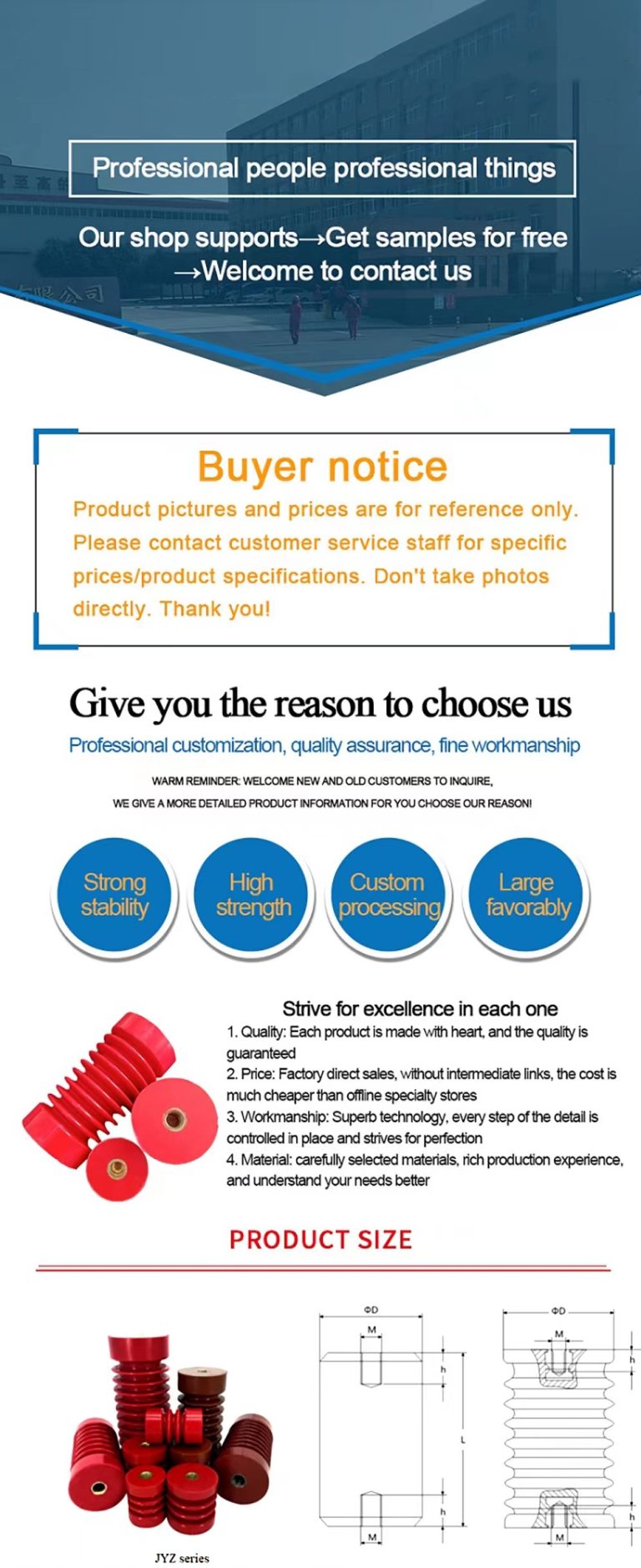
10kv outdoor high-voltage insulator ZJ-10Q China Manufacturer
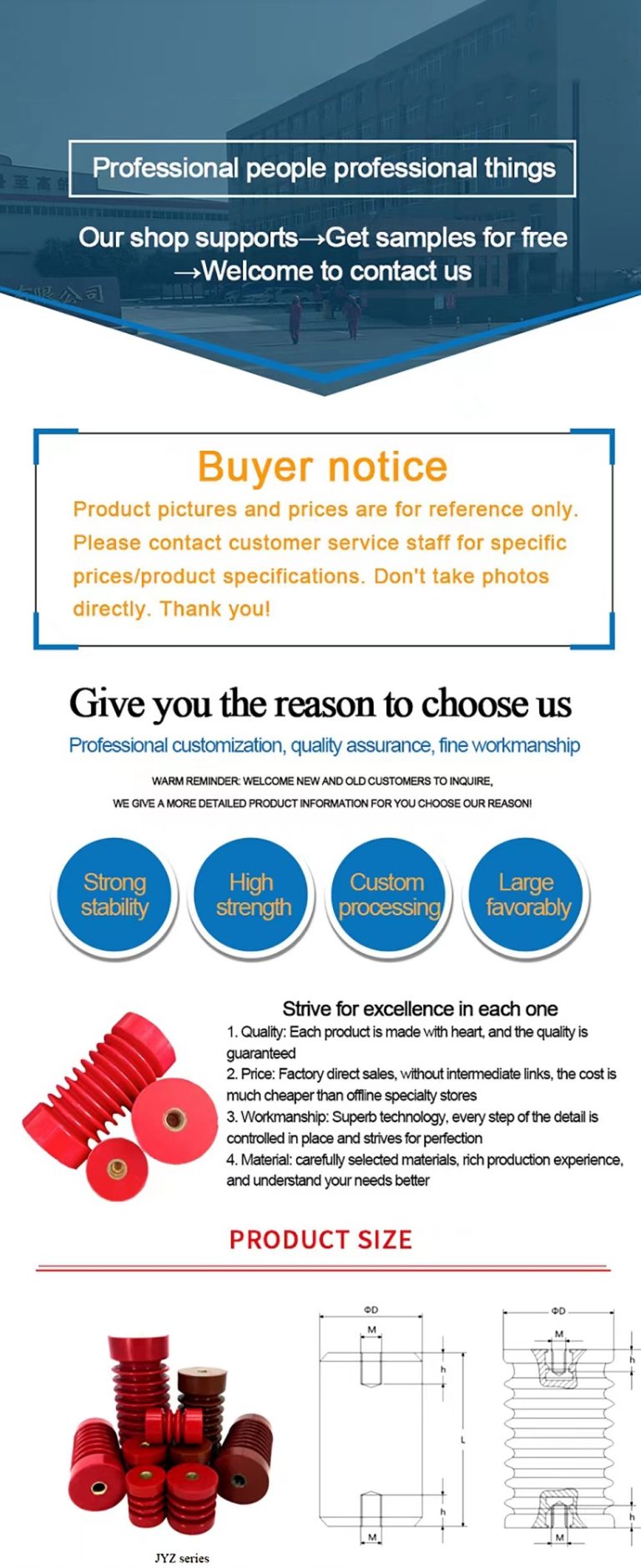
Various models of electrical post-epoxy insulators China Manufacturer
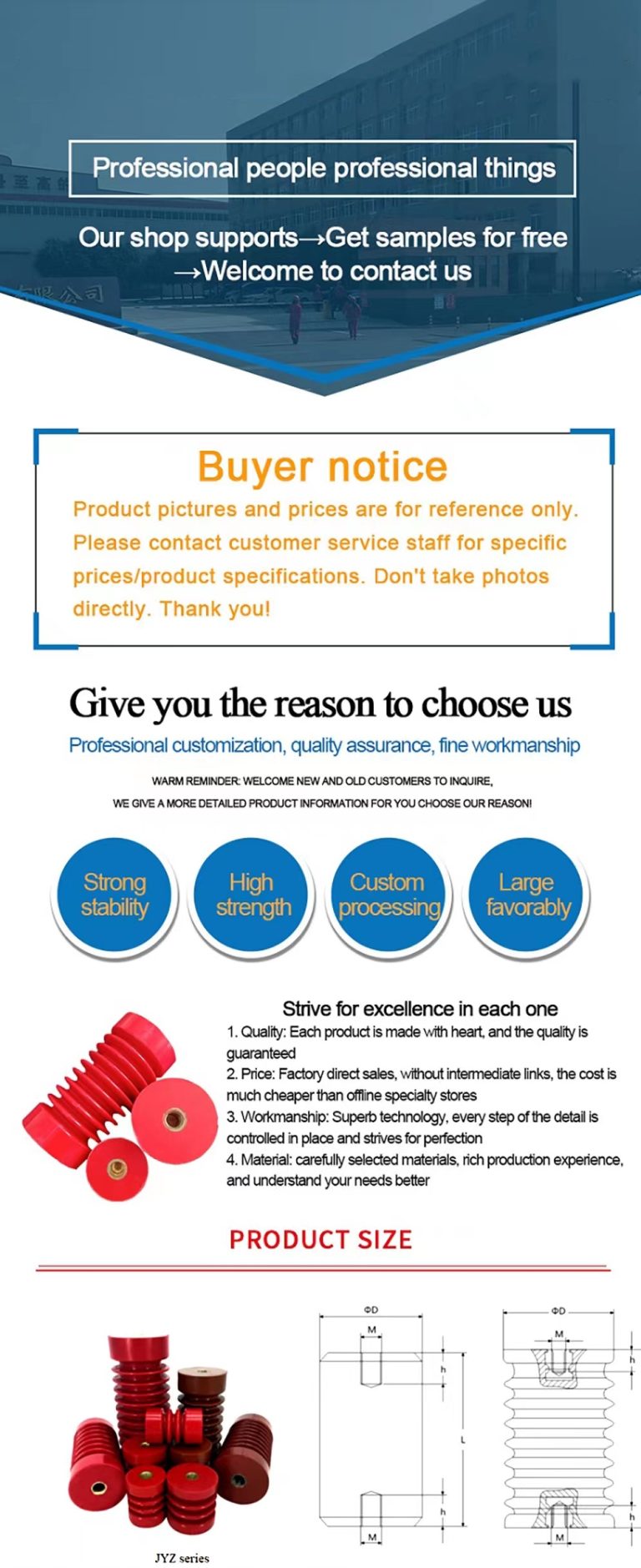
Pin-type porcelain insulator for high voltage China Manufacturer
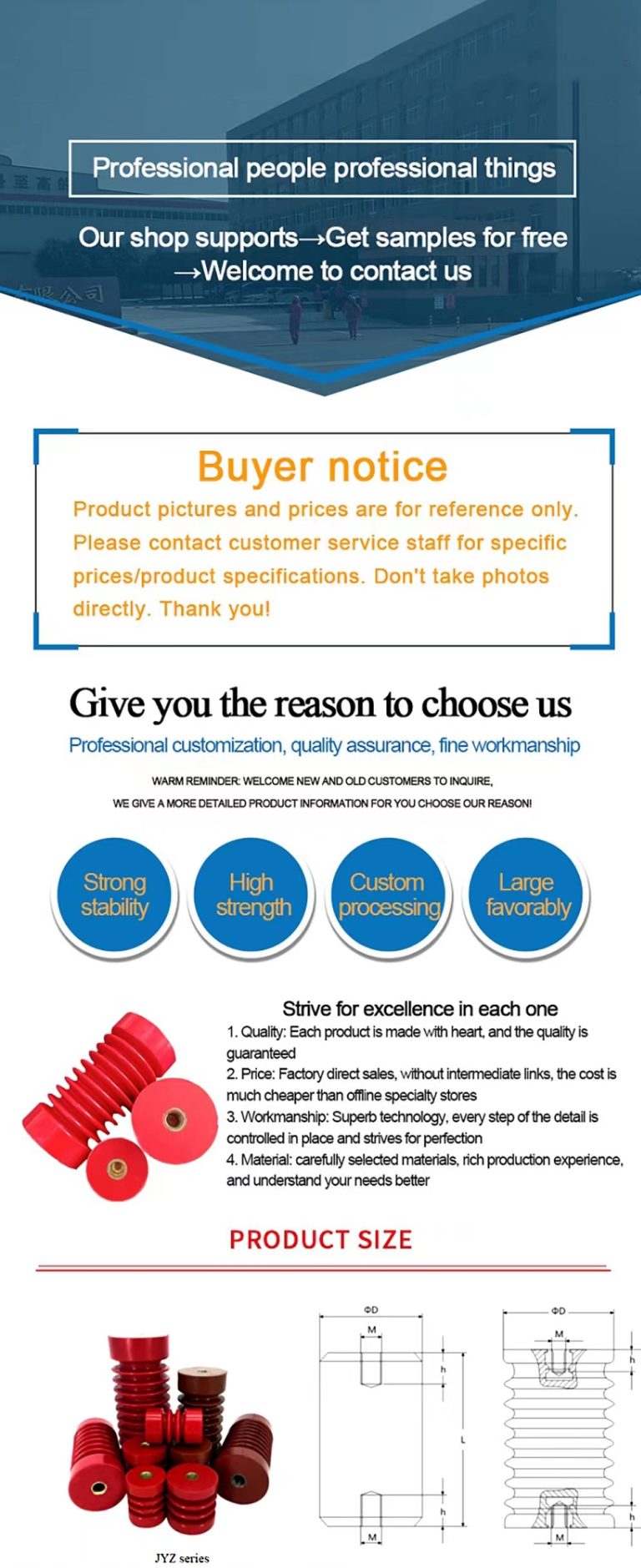
24kv 33kv insulator for high voltage station insulator China Manufacturer
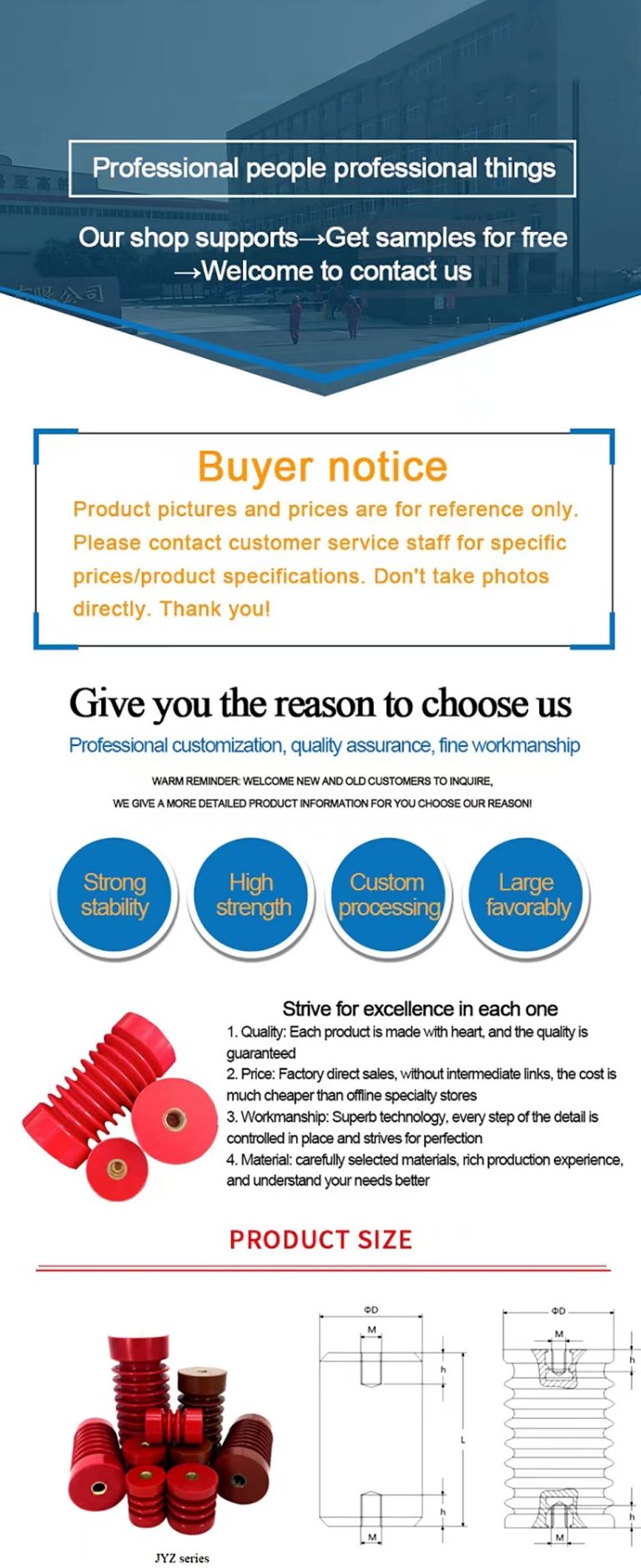
High voltage epoxy resin post insulator 10KV China Manufacturer
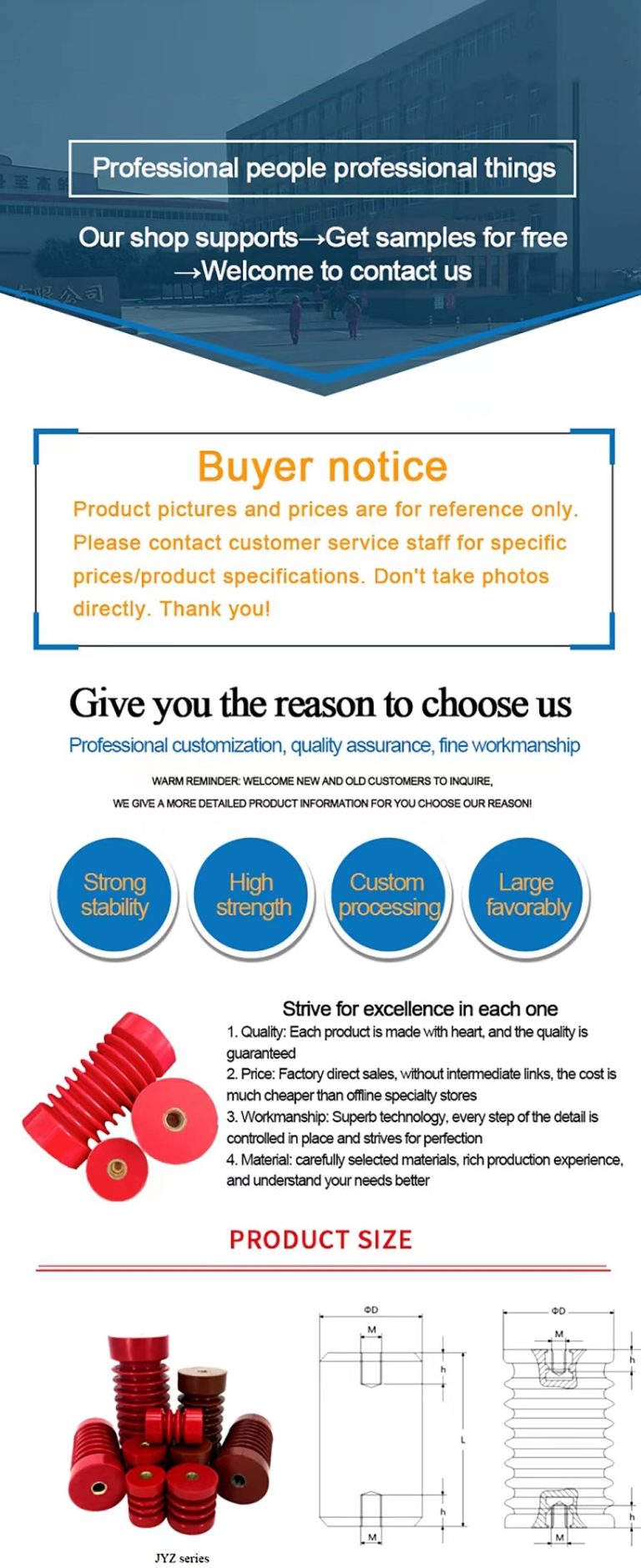
porcelain composite HV insulator for ANSI insulators China Manufacturer
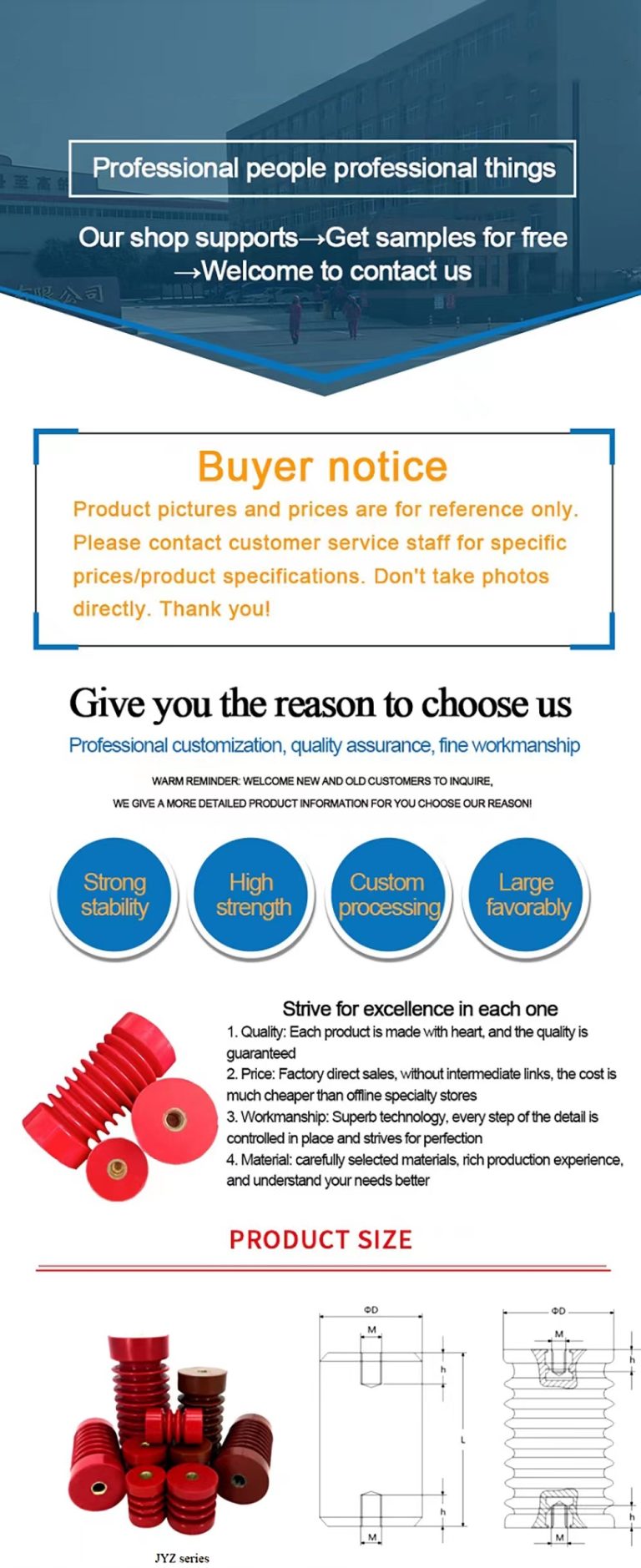
Special pressure epoxy resin post insulator for 35KV China Manufacturer
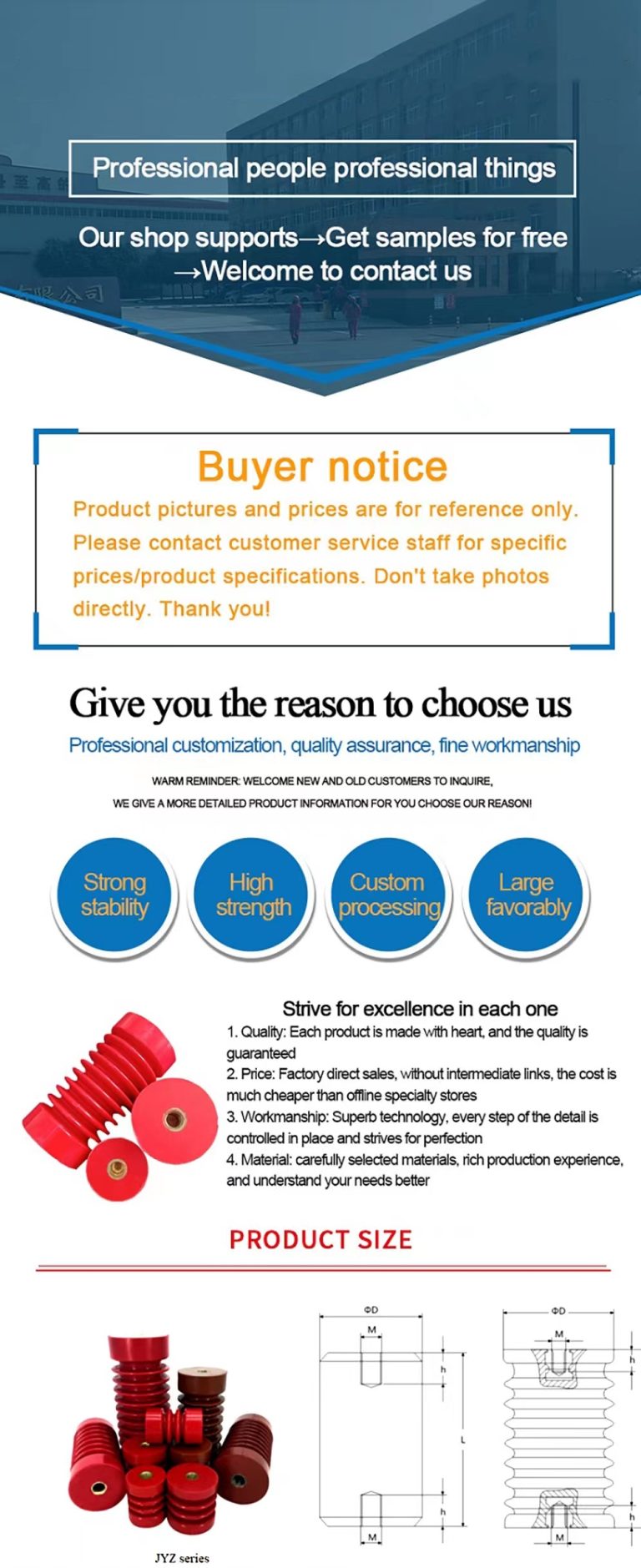
Electrical Stay Insulator for High voltage 24KV 35KV China Manufacturer
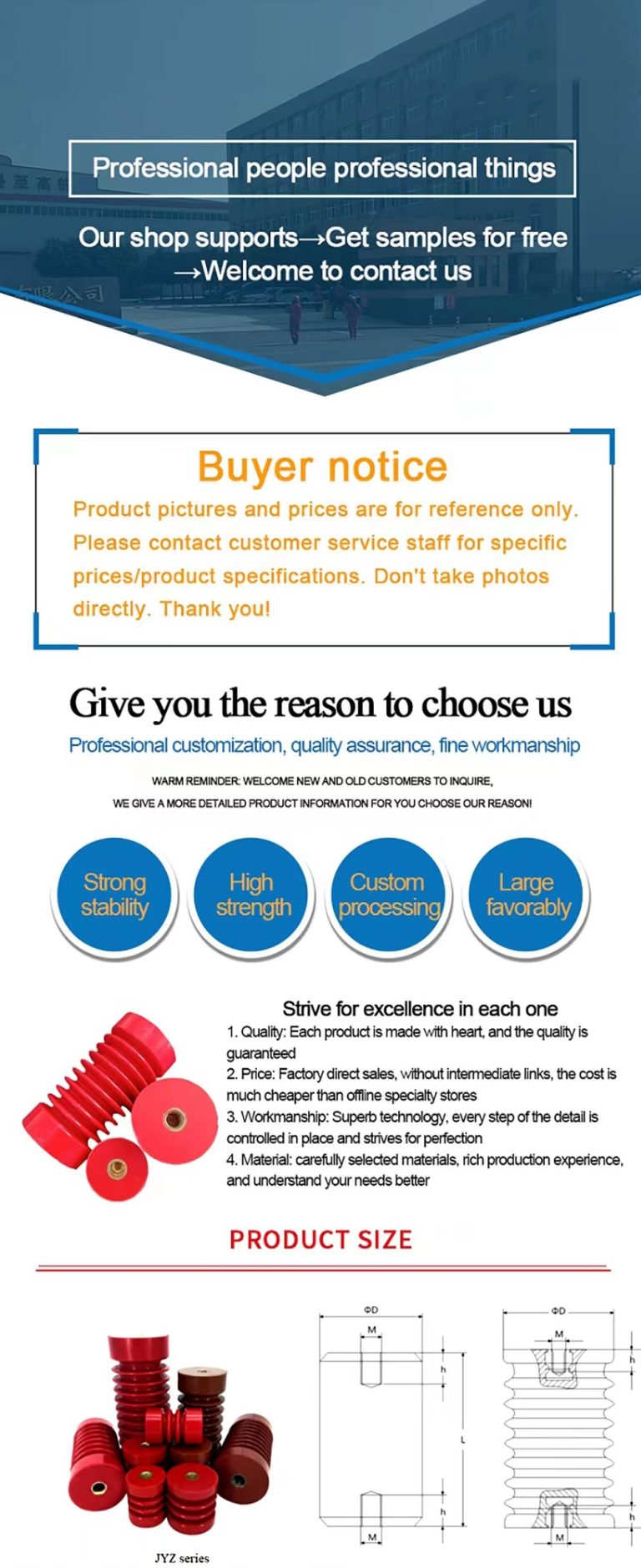
11KV 35KV HV epoxy resin for post insulators China Manufacturer
Overview of Air Source Heat Pump (ASHP)
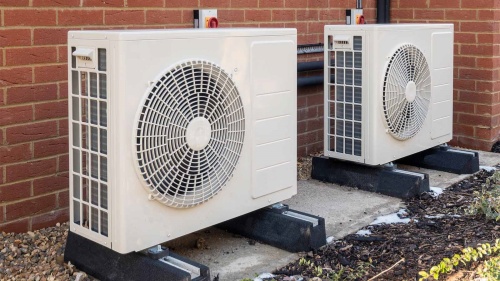
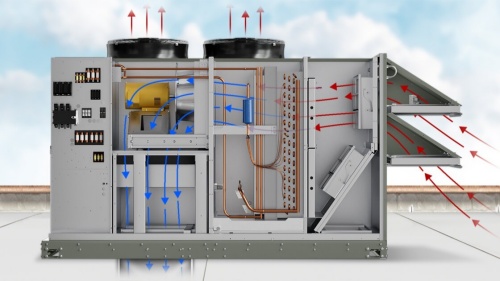
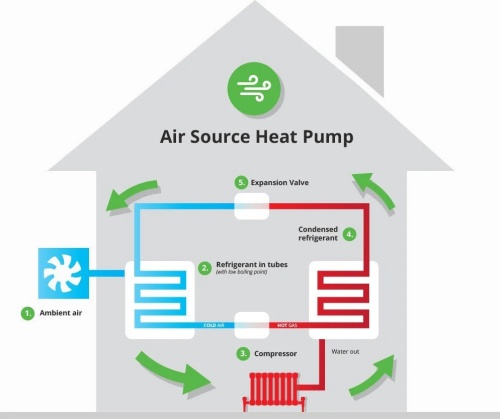
Air Source Heat Pumps (ASHP) are advanced renewable heating and cooling solutions that extract heat from the air to provide energy-efficient space heating, hot water, and cooling. They are a key technology for reducing carbon emissions and improving energy efficiency in residential, commercial, and industrial buildings.
With increasing energy costs and sustainability regulations, ASHP systems have become a popular choice for eco-friendly heating solutions, providing reliable comfort all year round.
How Air Source Heat Pumps Work
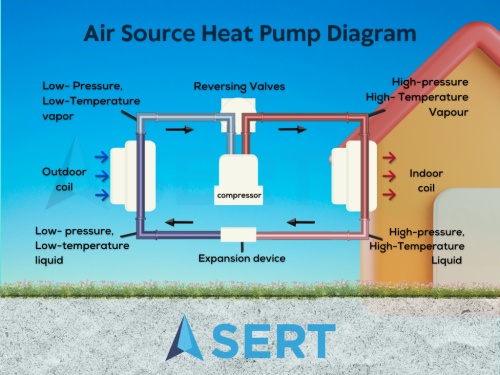
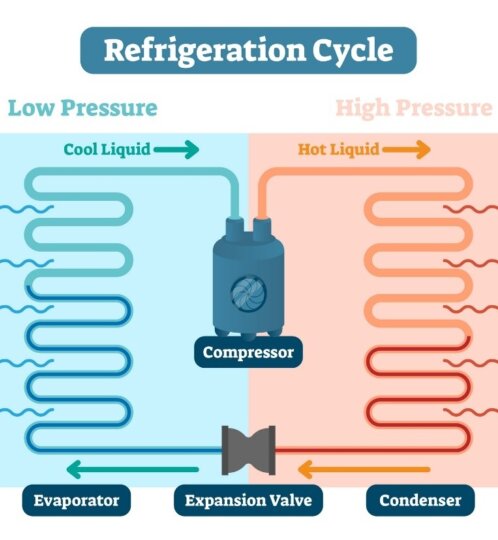
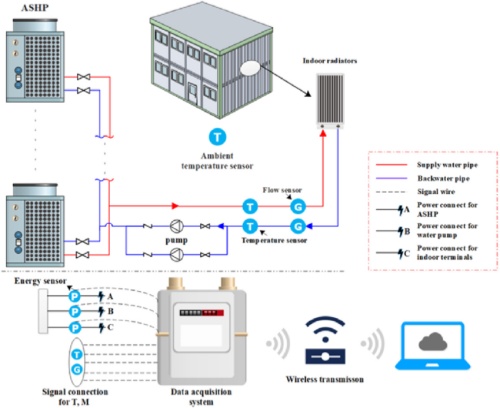
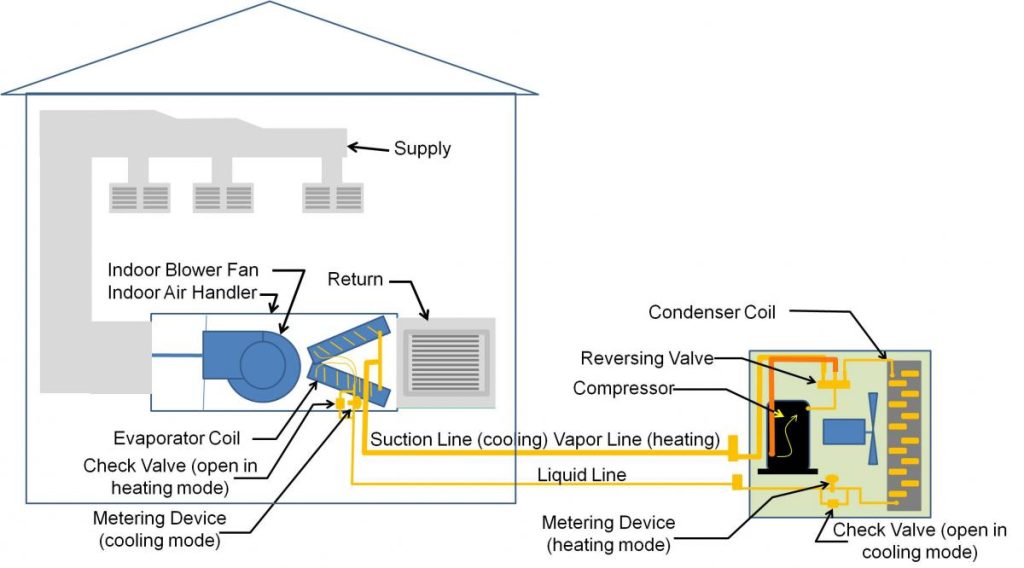
An air source heat pump system consists of:
| Component | Function |
|---|---|
| Outdoor Unit | Extracts heat from ambient air using refrigerant cycle |
| Indoor Unit | Distributes heat or cooling into the building |
| Heat Exchanger | Transfers heat efficiently between air and refrigerant |
| Compressor | Increases refrigerant pressure to release heat inside the building |
| Control System | Regulates temperature, mode, and energy usage |
By transferring heat rather than generating it directly, ASHP systems can achieve COP (Coefficient of Performance) values of 3–5, meaning 3–5 kWh of heat for every 1 kWh of electricity consumed.
Types of Air Source Heat Pumps
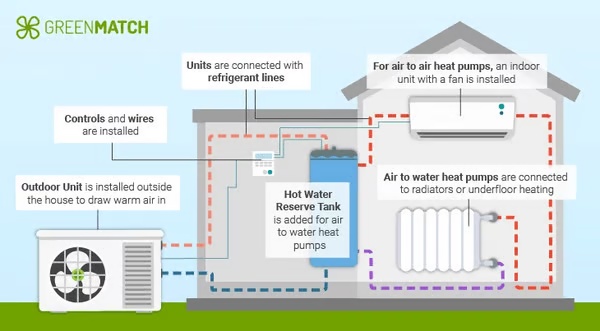
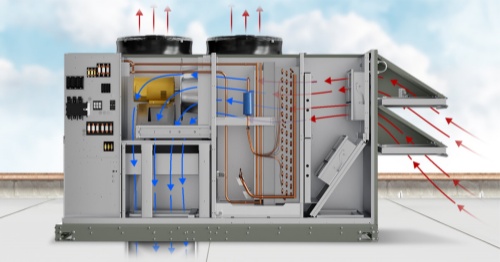
- Residential Heat Pumps – Provide space heating, hot water, and optional cooling for homes.
- Commercial & Industrial Heat Pumps – Offer high-efficiency heating and cooling for offices, factories, and public buildings.
- Split Type ASHP – Outdoor unit connected to indoor units for flexible installation.
- Air-to-Water Heat Pumps – Heat water for radiators, underfloor heating, or domestic hot water supply.
Advantages of Air Source Heat Pumps
- Energy Efficient Heating and Cooling – Uses renewable heat from the air
- Lower Energy Costs – Reduces electricity and fuel consumption
- Eco-Friendly Solution – Reduces greenhouse gas emissions
- All-Season Operation – Provides heating in winter and cooling in summer
- Flexible Installation – Suitable for residential, commercial, and industrial buildings
Company Profile
Luoyang Datang Energy Technology Co., Ltd. is a high-tech enterprise integrating R&D, manufacturing, and supply of power equipment and renewable energy solutions. Specializing in transformers, new energy components, distribution cabinets, and inverters, we have expanded our portfolio to include solar power systems, energy storage solutions, and air source heat pumps. With technological innovation as our core, we focus on creating high-reliability and high-performance power and energy efficiency solutions to serve global customers. Through a strict quality control system and international standard certification, we continuously deliver excellent products that empower our customers to build safe, stable, and sustainable power systems.
If you are looking for a high-quality Air Source Heat Pumps supplier, we invite you to contact us or click on related products to inquire.
Payment Methods for Epoxy Resin Insulators
L/C, T/T, Western Union, Paypal, Credit Card etc.
Shipment of Air Source Heat Pumps
Once payment is received, by sea, by air, or by express as soon as possible.
Air Source Energy, often referred to in the context of Air-Source Heat Pumps (ASHP), works by utilizing the ambient air as a source of heat energy for heating or cooling a space. The basic principle is based on thermodynamics, specifically the heat transfer process. Here's how it works in detail:
FAQs of Air Source Heat Pumps
1.What is an air source heat pump (ASHP)?
An ASHP extracts heat from the air to provide energy-efficient heating, cooling, and hot water.
2.Can ASHPs work in cold climates?
Yes, modern ASHPs are designed to operate efficiently even in temperatures as low as -20°C.
3.How much energy can an ASHP save?
Typically, an ASHP can deliver 3–5 times more heat than the electricity it consumes, depending on climate and system efficiency.
4.What are the main components of an ASHP system?
Outdoor unit, indoor unit, compressor, heat exchanger, and control system.
5.Is it suitable for residential and commercial buildings?
Yes, ASHPs are flexible solutions for homes, offices, factories, and public buildings.