Electronic Components Supplier | Transformers, Inductors, Inverters


Energy Storage
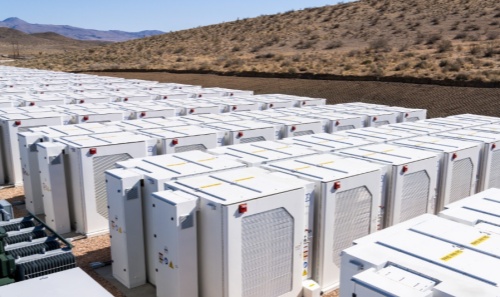
Powering Intelligence: How Energy Storage is Enabling the AI Revolution
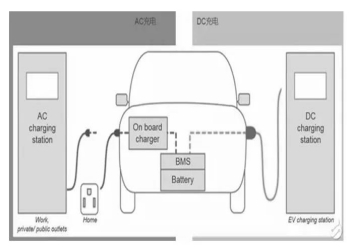
Converter technology: the all-round pioneer in the new energy era
Overview of Energy Storage
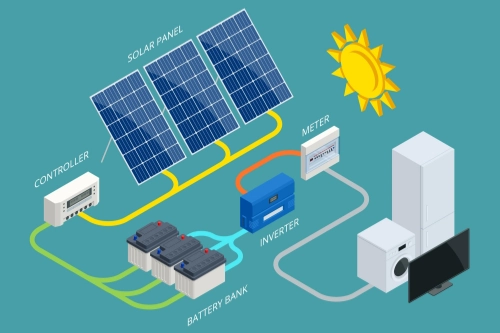
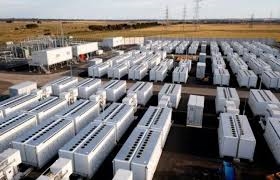
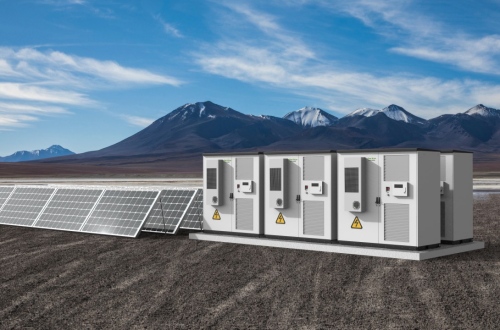
Energy storage systems (ESS) are a key technology in modern renewable energy and smart grid solutions. They store excess electricity generated from solar, wind, or other energy sources, and release it when needed, providing stability, efficiency, and flexibility to the power grid.
With the rise of renewable energy, energy storage ensures reliable power supply, peak shaving, and load management for residential, commercial, and utility-scale applications.
How Energy Storage Works
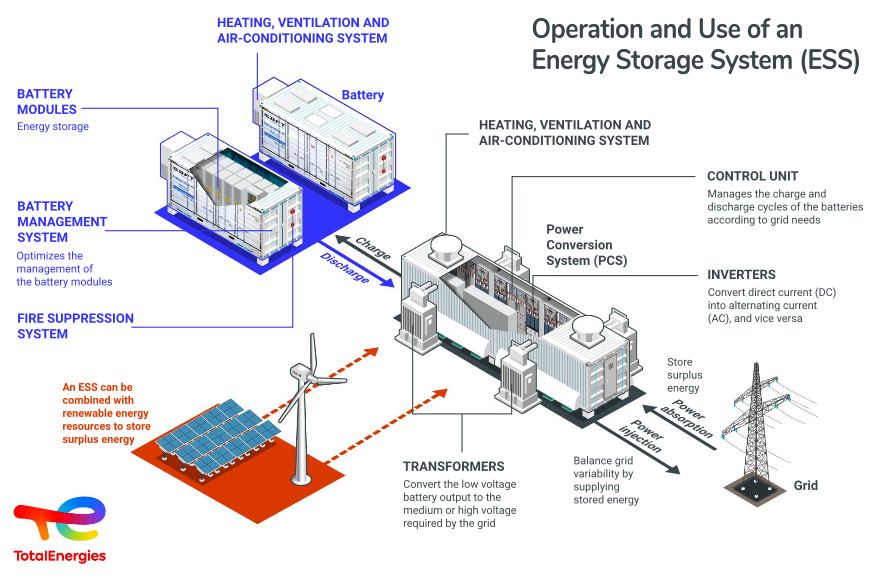
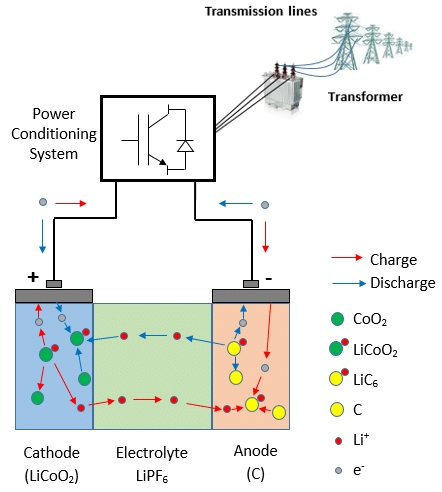
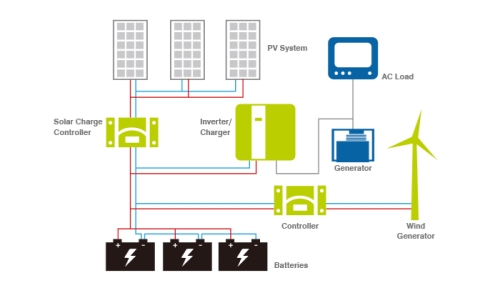
A typical energy storage system includes:
| Component | Function |
|---|---|
| Battery Modules | Store electrical energy efficiently |
| Battery Management System (BMS) | Monitors and protects battery performance |
| Inverter | Converts stored DC electricity to AC for use |
| Energy Management System | Optimizes charging and discharging cycles |
| Grid / Load Connection | Supplies electricity when needed |
Energy storage enables renewable energy to balance supply and demand, providing electricity even when solar panels or wind turbines are not generating power.
Types of Energy Storage Systems
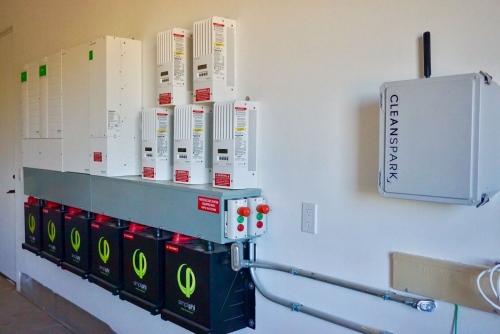
- Residential Storage – Provides backup power for homes and supports rooftop solar systems.
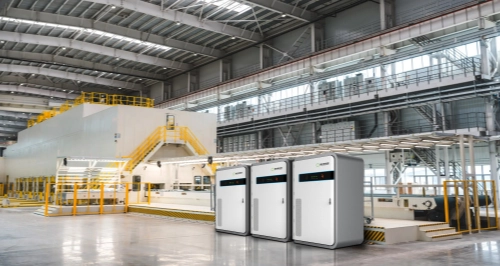
- Commercial & Industrial Storage – Reduces electricity costs and improves energy efficiency.
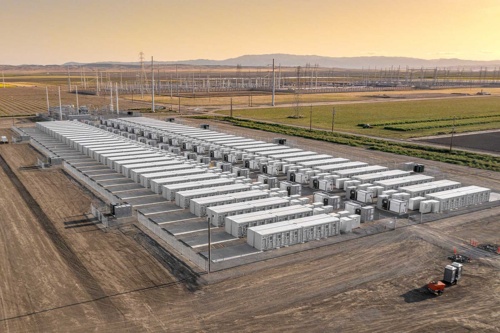
- Utility-Scale Storage – Stabilizes the power grid and integrates large renewable projects.
- Off-Grid & Hybrid Systems – Ensures reliable electricity in remote areas without grid access.
Advantages of Energy Storage
Sustainable Energy Integration – Supports solar, wind, and other renewable sources
Reliable Power Supply – Provides electricity during outages or peak demand
Grid Stability – Balances intermittent renewable energy generation
Energy Cost Savings – Enables load shifting and peak shaving
Scalable Solutions – Suitable for homes, businesses, and utility-scale projects
Company Profile
Luoyang Datang Energy Technology Co., Ltd. is a high-tech enterprise integrating R&D, manufacturing, and supply of power equipment and renewable energy solutions. Specializing in transformers, new energy components, distribution cabinets, and inverters, we have expanded our portfolio to include solar power systems, energy storage solutions, and air source heat pumps. With technological innovation as our core, we focus on creating high-reliability and high-performance power and energy efficiency solutions to serve global customers. Through a strict quality control system and international standard certification, we continuously deliver excellent products that empower our customers to build safe, stable, and sustainable power systems.
It accepts payment via Credit Card, T/T, West Union, and Paypal. PDDN will ship the goods to customers overseas through FedEx, DHL, by sea, or by air. If you want a high-quality charging station Energy Storage, please send us inquiries; we will be here to help you.
Payment methods of Energy Storage
L/C, T/T, Western Union, Paypal, Credit Card etc.
Shipment of Energy Storage
By sea, by air, by express, as customers request.
FAQs of Energy Storage
1.What is energy storage?
Energy storage stores electricity from renewable or grid sources for later use.
2.What types of batteries are used in energy storage?
Common types include Lithium-ion, Lead-acid, Flow batteries, and Sodium-ion batteries.
3.How long do energy storage systems last?
Most lithium-ion systems last 10–15 years, with proper maintenance.
4.Can energy storage work with solar and wind?
Yes, energy storage complements intermittent renewables by storing excess electricity for later use.
5.What are the main components of an energy storage system?
Battery modules, inverters, battery management system, energy management system, and grid/load connection.