Electronic Components Supplier | Transformers, Inductors, Inverters


HV Disconnector
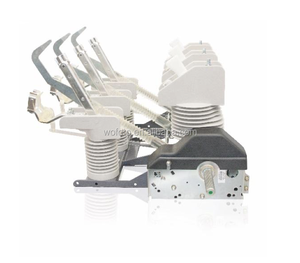
Factory Direct Outdoor High-voltage Disconnector 10kv 200-630A
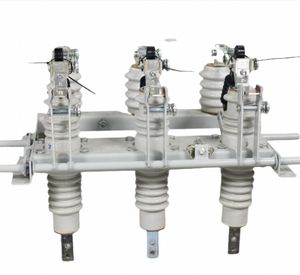
High Voltage 15 KV Disconnect Isolator Switch /Disconnector Switch
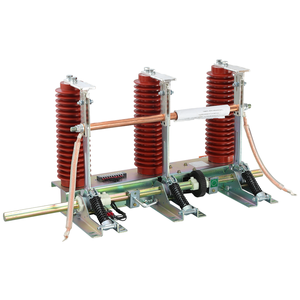
Supply High Voltage Outdoor Composite Disconnector Switch Custom Fitted Load Break Disconnector Switch
DC12V 24V 50A 100A 200A 300A Marine Boat Car RV Battery Disconnect Isolator Cut Kill Switch Product Switch Disconnectors
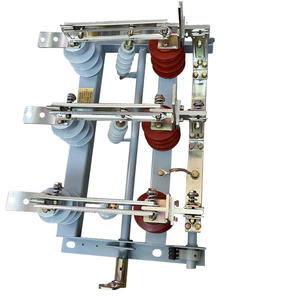
35kV 150A Under-oil Arrester Disconnector for Transformers MV&HV Product
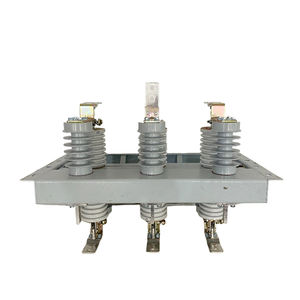
132KV 126kv 110kv Vertical Break Disconnector and Isolator
300A Automotive Circuit Breaker Disconnect Switch Battery Isolator Disconnector for Cars Boats Yachts ATVs Max Voltage 24V
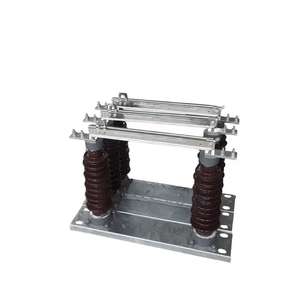
12kv 15kv 3 Phase AC Outdoor High-voltage Epoxy Isolation Switch Disconnector
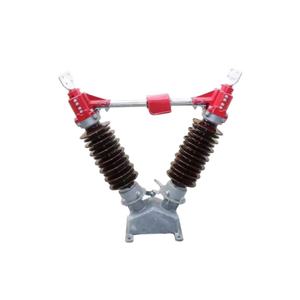
80A-400A Mini MSD with Fuse Battery Manual Service Disconnect Plug and Socket HV Electric Vehicle Connector
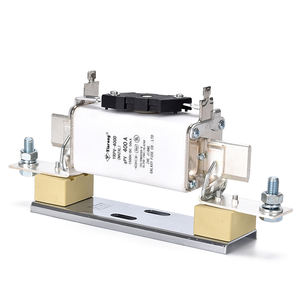
400A 630A High Voltage Single Phase Disconnector Pole Mounted Fuse Switch Disconnector
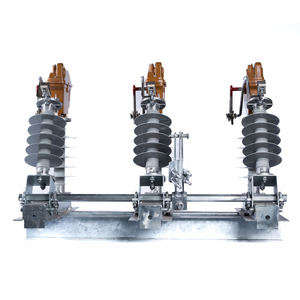
12kv 24kv Load Breaker disconnector load Break Switch Fkn12-12 LBS with fuse
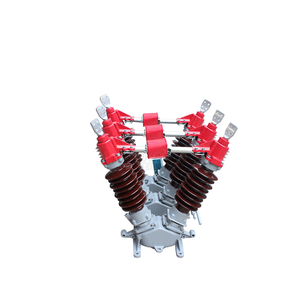
15 Kv RH-B Type High-Voltage Load Break Fuse Switch Disconnector Factory Direct Ceramic Air Breaker Switch
Overview of HV Disconnector
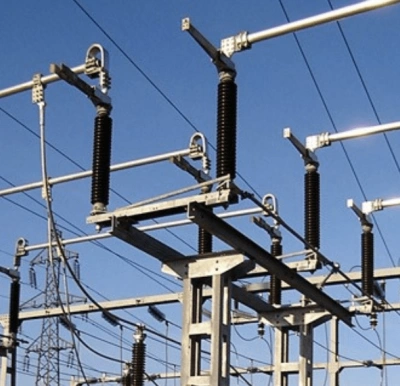
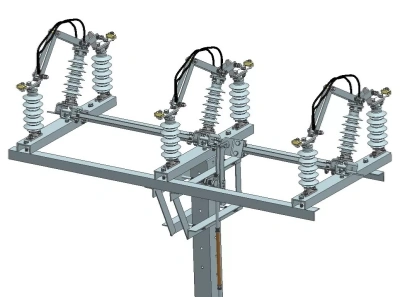
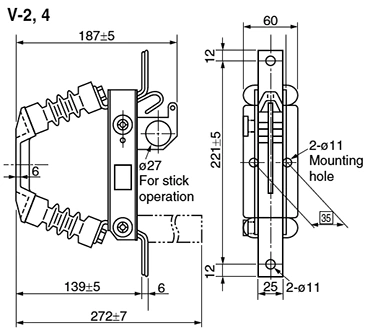
High-voltage disconnectors, also known as isolator switches, are critical switching devices used in electrical substations to isolate electrical circuits for maintenance and safety. Unlike circuit breakers, disconnectors operate when the circuit is not carrying load current.
HV disconnectors are widely installed in power transmission lines, substations, and power plants, ensuring safe operation and maintenance of high-voltage equipment.
How HV Disconnectors Work
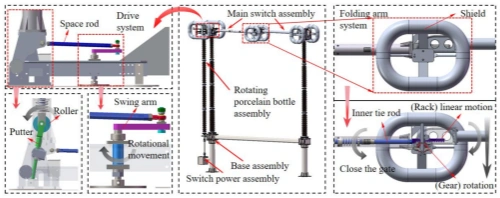
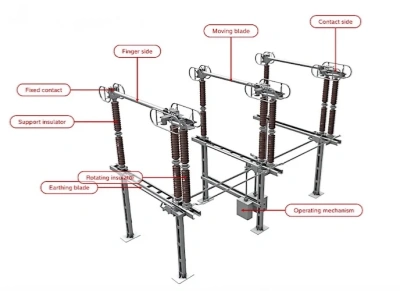
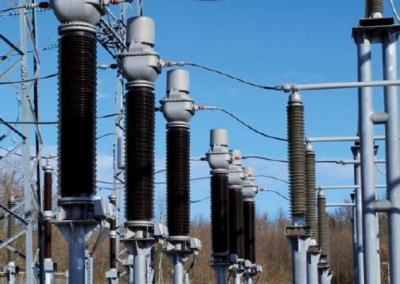
HV disconnectors provide a visible isolation point in electrical systems.
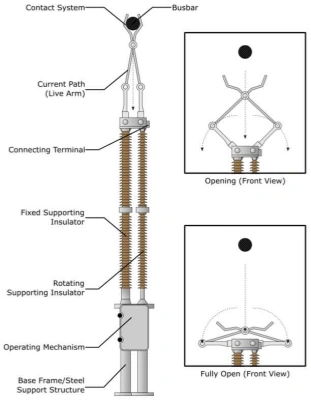
| Component | Function |
|---|---|
| Contact System | Opens or closes the electrical circuit |
| Insulator | Supports the conductive parts safely |
| Operating Mechanism | Manual or motorized operation |
| Base Frame | Supports the disconnector structure |
| Control System | Enables remote or local operation |
They are mainly used for line isolation, equipment maintenance, and system safety.
Types of HV Disconnectors
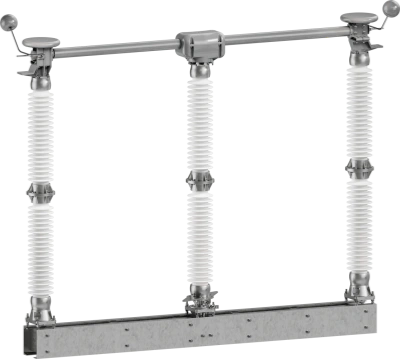
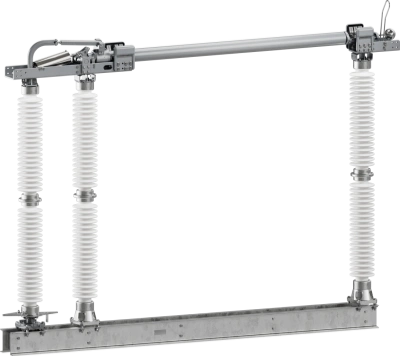
- Horizontal Break Disconnector – Commonly used in substations.
- Vertical Break Disconnector – Suitable for compact switchyards.
- Pantograph Disconnector – Used in high-voltage transmission networks.
- Double Break Disconnector – Provides higher insulation distance.
Advantages of HV Disconnectors
Durable Design for Long Service Life
Safe Electrical Isolation for maintenance operations
High Mechanical Reliability in outdoor environments
Clear Visible Break Point for system safety
Suitable for High Voltage Networks
Company Profile
Luoyang Datang Energy Technology Co., Ltd. is a high-tech enterprise integrating R&D, manufacturing, and supply of power equipment and renewable energy solutions. Specializing in transformers, new energy components, distribution cabinets, and inverters, we have expanded our portfolio to include solar power systems, energy storage solutions, and air source heat pumps. With technological innovation as our core, we focus on creating high-reliability and high-performance power and energy efficiency solutions to serve global customers. Through a strict quality control system and international standard certification, we continuously deliver excellent products that empower our customers to build safe, stable, and sustainable power systems.
It accepts payment through credit card, T/T, Western Union remittance, and PayPal. PDDN will ship goods to overseas customers via FedEx, DHL, sea or air freight. If you are looking for high-quality, high-voltage isolation switches, please consult us; we will be here to assist you.
Payment Methods of High-voltage Isolation Switches
Letters of credit, wire transfers, Western Union transfers, PayPal, credit cards, etc.
Shipment of High-voltage Isolation Switches
According to customer requirements, sea freight, air freight, and express delivery.
FAQs of HV Disconnector
1. What is a high-voltage disconnector?
It is a switching device used to isolate electrical circuits in high-voltage power systems.
2. What is the difference between a disconnector and a circuit breaker?
A disconnector operates without load current, while a circuit breaker can interrupt current.
3. Where are HV disconnectors installed?
They are commonly used in substations and power transmission networks.
4. Are disconnectors used for protection?
No, they are mainly used for isolation and maintenance safety.
5. What voltage levels do disconnectors support?
Typical voltage ratings include 35kV, 110kV, 220kV, and higher.