Electronic Components Supplier | Transformers, Inductors, Inverters


Solar Power
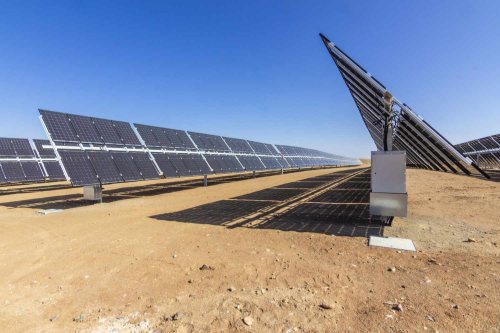
600W Desert-Proof N-Type TOPCon Solar Panel
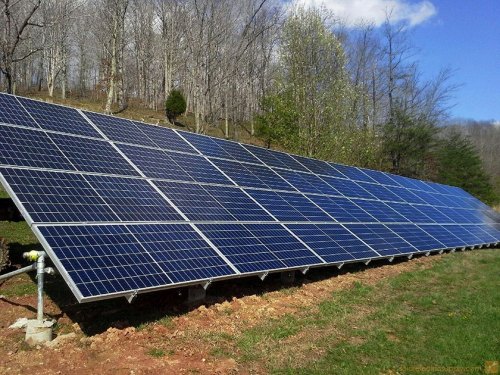
450W Residential & Commercial Solar Panel
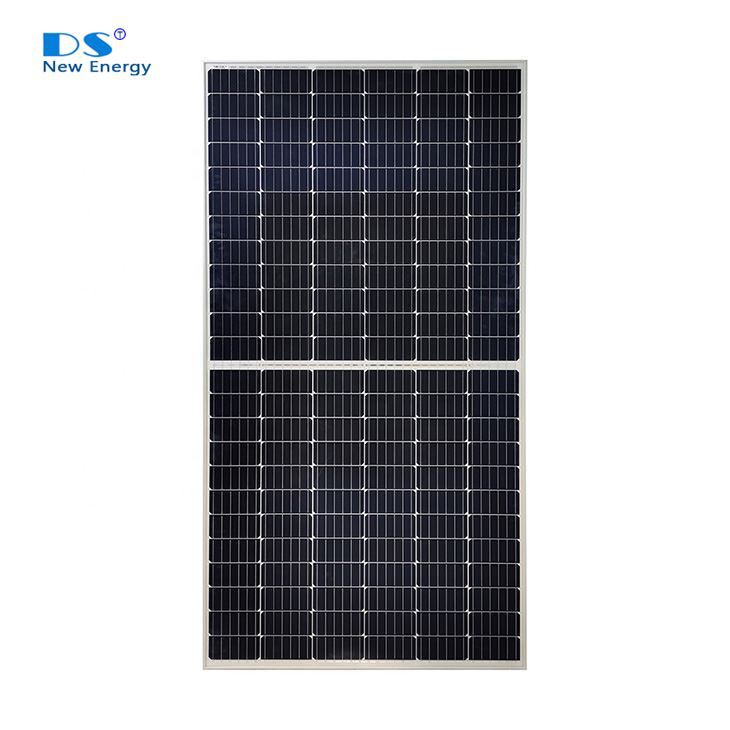
585W N-Type TOPCon Bifacial Solar Module
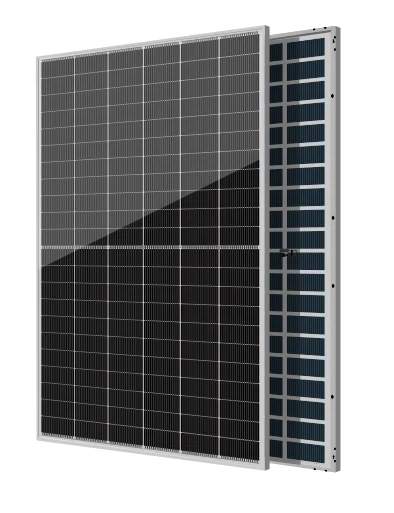
550W Monocrystalline PERC Solar Panel
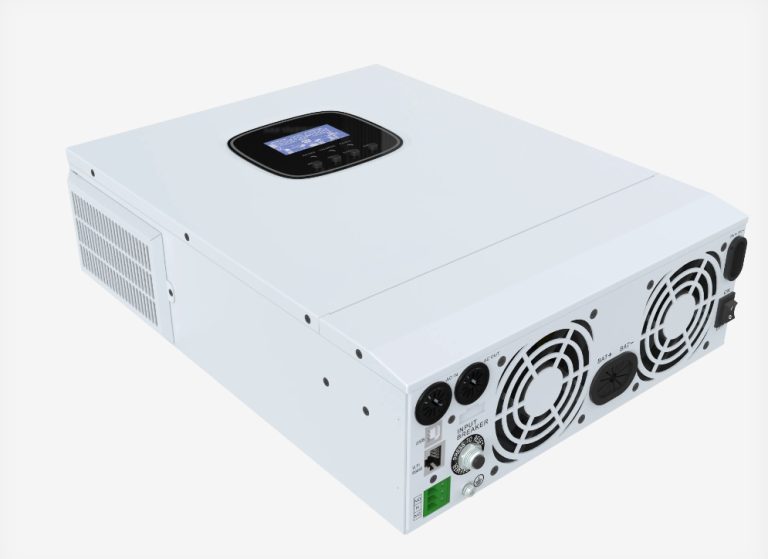
Ultra 350kW String Inverter for Utility-Scale Solar
Overview of Solar Power
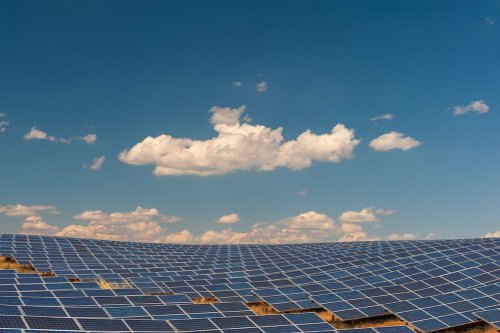
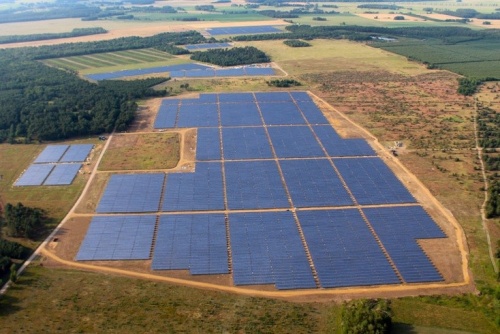
Solar power is one of the most important renewable energy sources in the world today. By converting sunlight into electricity through photovoltaic (PV) technology, solar energy provides a clean, sustainable, and cost-effective solution for residential, commercial, agricultural, and industrial power generation.
With the rapid development of solar technology and the declining cost of photovoltaic components, solar power systems have become widely adopted across global markets. From rooftop solar installations to utility-scale solar farms, solar energy plays a critical role in reducing carbon emissions and improving energy independence.
How Solar Power Systems Work
A typical solar power system converts sunlight into usable electricity through several key components.
| Component | Function |
|---|---|
| Solar Panels | Capture sunlight and convert it into DC electricity |
| Solar Inverter | Converts DC power into AC electricity |
| Mounting System | Supports and positions solar panels for optimal sunlight |
| Battery Storage (Optional) | Stores excess energy for later use |
| Electrical Grid | Distributes electricity to homes or businesses |
When sunlight strikes the photovoltaic cells inside solar panels, electrons begin to move, generating direct current (DC) electricity. The inverter then converts this electricity into alternating current (AC), which can power electrical equipment or be fed into the power grid.
Types of Solar Power Applications
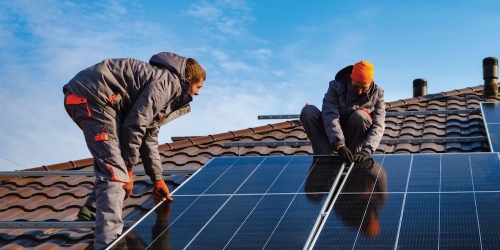
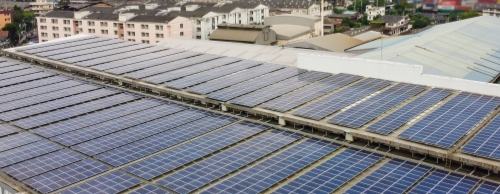
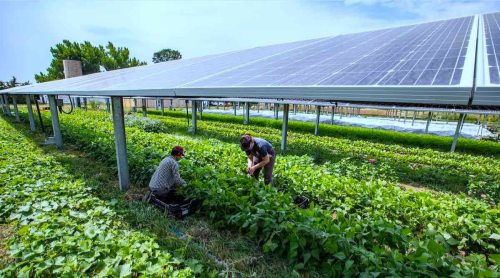
Solar power technology is widely used across different sectors:
Residential Solar Systems
Rooftop solar installations provide clean electricity for households, reducing electricity bills and dependence on traditional power sources.
Commercial & Industrial Solar
Businesses and factories use solar systems to lower operational energy costs and improve sustainability performance.
Agricultural Solar (Agrivoltaics)
Solar panels can be installed above farmland or greenhouses, allowing land to produce both agricultural products and renewable energy.
Off-Grid Solar Systems
In remote areas without access to the electrical grid, off-grid solar systems combined with battery storage provide reliable power supply.
Advantages of Solar Energy
Solar power offers numerous long-term benefits:
- Clean Renewable Energy – Reduces greenhouse gas emissions
- Lower Electricity Costs – Generates free energy from sunlight
- Energy Independence – Reduces reliance on fossil fuels
- Scalable Systems – Suitable for small homes or large power plants
- Low Maintenance – Solar panels require minimal upkeep
Solar Power in the Global Energy Transition
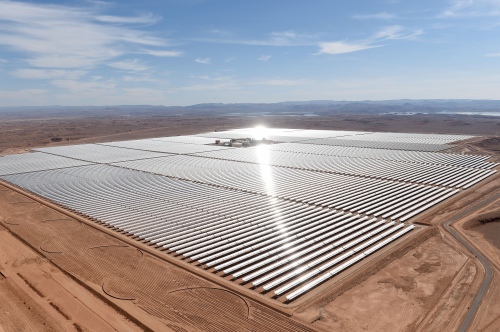
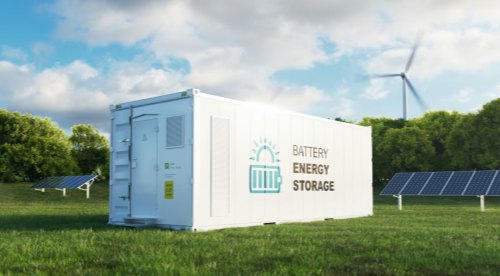
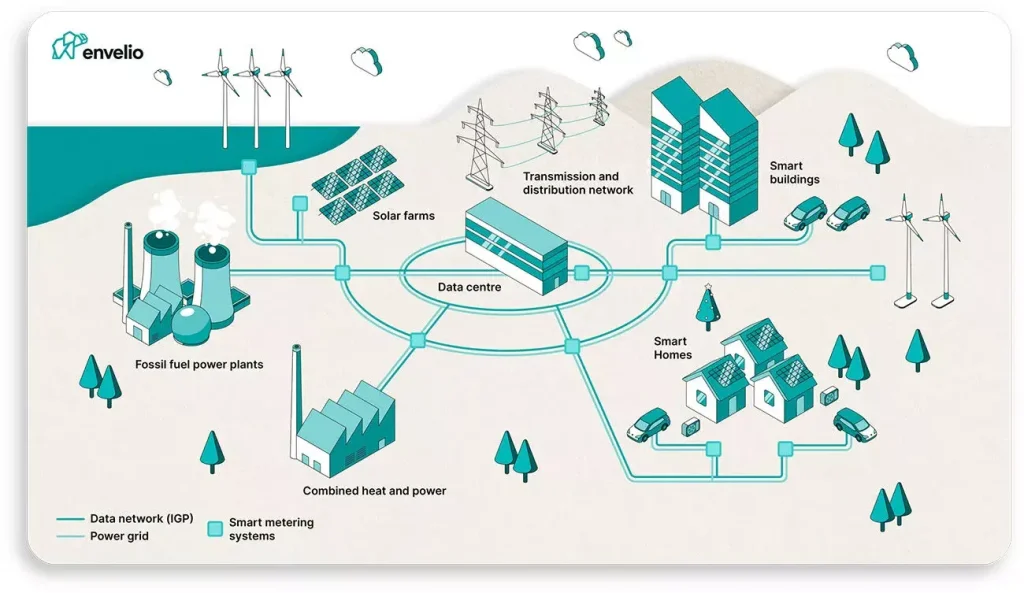
As countries accelerate their transition toward renewable energy, solar power has become one of the fastest-growing energy technologies worldwide. Advances in high-efficiency photovoltaic modules, smart inverters, and energy storage systems continue to improve the performance and reliability of solar installations.
Solar energy is now widely deployed in regions such as Asia, Europe, the Middle East, and North America, supporting global efforts to build a cleaner and more sustainable energy future.
Our Solar Power Solutions
We provide reliable solar power components and solutions for various applications, including:
- High-efficiency solar panels
- Solar mounting systems
- Inverters and electrical equipment
- Solar systems for residential, commercial, and agricultural projects
Our products are designed to deliver high performance, durability, and long service life, helping customers achieve efficient and sustainable power generation.
Company Profile
Luoyang Datang Energy Technology Co., Ltd. is a high-tech enterprise integrating R&D, manufacturing, and supply of power equipment and renewable energy solutions. Specializing in transformers, new energy components, distribution cabinets, and inverters, we have expanded our portfolio to include solar power systems, energy storage solutions, and air source heat pumps. With technological innovation as our core, we focus on creating high-reliability and high-performance power and energy efficiency solutions to serve global customers. Through a strict quality control system and international standard certification, we continuously deliver excellent products that empower our customers to build safe, stable, and sustainable power systems.
It accepts payment via Credit Card, T/T, West Union, and Paypal. PDDN will ship the goods to customers overseas through FedEx, DHL, by sea, or by air. If you want a high-quality Solar Product, please send us inquiries; we will be here to help you.
Payment Methods of Solar Power
L/C, T/T, Western Union, Paypal, Credit Card etc.
Shipment of Solar Power
By sea, by air, by express, as customers request.
FAQs of Solar Power
1. What is solar power?
Solar power is energy generated from sunlight using photovoltaic (PV) panels. Solar panels convert sunlight into electricity, which can be used to power homes, businesses, agricultural facilities, and industrial equipment.
2. How efficient are modern solar panels?
Most modern solar panels have an efficiency range of 18%–23%, depending on the technology used. High-efficiency modules such as TOPCon, HJT, and monocrystalline panels can generate more electricity even in limited installation areas.
3. Can solar power work on cloudy days?
Yes. Solar panels can still generate electricity on cloudy or overcast days, although the output will be lower compared to sunny conditions. Advanced solar modules are designed to perform efficiently even under low-light environments.
4. How long do solar panels last?
Most solar panels have a lifespan of 25 to 30 years. High-quality panels usually come with a 25-year performance warranty, ensuring stable power output over the long term.
5. What are the main components of a solar power system?
A complete solar power system typically includes:
- Solar panels (PV modules)
- Solar inverter
- Mounting structure
- Battery storage (optional)
- Monitoring and electrical system
These components work together to convert sunlight into usable electricity for residential, commercial, or industrial applications.