Поставщик электронных компонентов | Трансформеры, Индукторы, Инверторы


В энергосистемах, высоковольтные тиристоры, также известный как тиристоры, играть жизненно важную роль. Как электронное устройство критической мощности, it can achieve precise current control under high-voltage conditions and has many application prospects. The following is an in-depth discussion of the working principles, application fields, technical characteristics, and future development trends of high-voltage thyristors to reveal the source of wisdom in power supply control.

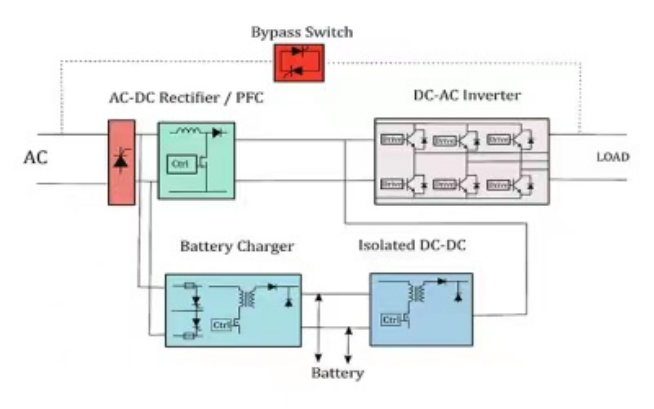
The working principle of high-voltage thyristor
A high-voltage thyristor is a four-layer structure consisting of P-type and N-type semiconductors, the core of which is a PN junction. Under the action of external voltage, the holes and electrons in the PN junction diffuse to each other under the movement of the electric field, forming an electric current. Однако, when the external voltage is reversed, the number of carriers inside the PN junction decreases, and the draft is almost zero. Как результат, high-voltage thyristors have unidirectional conductivity. By controlling whether the trigger signal is applied, the high-voltage thyristor can switch between forward conduction and reverse cut-off.
Тhe application field of high-voltage thyristor
1.Высоковольтная передача постоянного тока:
In HVDC transmission, high-voltage thyristors are used in the rectification and inverter links to convert alternating current to DC or vice versa. It can realize precise control and stable current transmission and improve transmission efficiency.
2.Electric locomotive:
An electric locomotive is essential for railway transportation, and a high-voltage thyristor controls its traction motor. Путем точного управления включением и выключением тиристоров., electric locomotives can operate safely and efficiently.
3.Industrial control:
В промышленном контроле, high-voltage thyristors are widely used in power control systems of various equipment. Например, in crucial kits in industries such as steel rolling and papermaking, high-voltage thyristors can achieve efficient and stable power regulation.
4.Новая энергетика:
New energy power generation systems like wind and solar are inseparable from high-voltage thyristors. It is used in the rectification and inverting links of photovoltaic cells and wind turbines to improve power quality and system stability.
Technical characteristics and challenges of high-voltage thyristors
Technical characteristics:
The high-voltage thyristor has the characteristics of high withstand voltage, высокий ток, low conduction loss, быстрое переключение, и т. д., which makes it a significant advantage in the field of power control. Кроме того, its reliability and service life are also long, which provides a guarantee for long-term stable operation.
Challenge:
Однако, high-voltage thyristors have shortcomings, such as high trigger voltage, low thermal stability, и т. д.. These problems limit the scope of its application to a certain extent. Кроме того, the cost of high-voltage thyristors is relatively high, which may not be suitable for some low-cost application scenarios.
Тhe future development trend of high-voltage thyristors
With the progress of science and technology, high-voltage thyristors will face more development opportunities and challenges. С одной стороны, breakthroughs and innovations in materials science will provide the possibility to improve the performance of high-voltage thyristors. Например, the application of new superconducting materials is expected to reduce the heat loss of thyristors and enhance their operating efficiency. С другой стороны, the development of intelligent manufacturing technology will accelerate the industrial upgrading of high-voltage thyristors. By introducing automation and intelligent production processes, it will help to improve production efficiency and product quality.
Кроме того, with the rapid development of renewable and distributed energy, high-voltage thyristors have broad application prospects in the new energy field. Например, wind and solar power generation systems require extensive use of high-voltage thyristors for rectification and phase inversion. In the future, optimizing the device structure and materials, reducing costs, and improving performance will help promote the development of the new energy industry.
The высоковольтные тиристоры, as an essential cornerstone of power control, will continue to play their unique advantages and roles in the future. Through an in-depth understanding of its working principles, application fields, technical characteristics, and development trends, we can better understand and use this source of wisdom to contribute to constructing an efficient, безопасный, and sustainable power system.
ПОХОЖИЕ ПОСТЫ

Как трехфазный тиристорный регулятор мощности управляет мощностью?

Huawei выпускает топ 10 Тенденции в области интеллектуальной фотоэлектрической энергии для 2024
Солнечные энергетические системы, управляемые искусственным интеллектом: Как интеллектуальная энергетика меняет будущее возобновляемой инфраструктуры

Тиристоры также подходят для поездов BART и ускорителей частиц.

Трансформатор: Алхимик напряжения энергосистемы