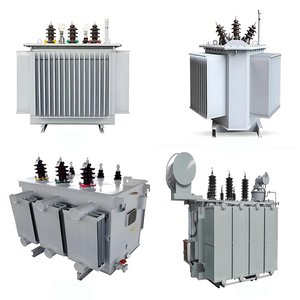
Поставщик электронных компонентов | Трансформеры, Индукторы, Инверторы


Ключевые выводы
- Процесс контроля качества сапунов из силикагеля охватывает сырье., размерный, сборка, функциональный, и проверка упаковки.
- Ключевые стандарты включают IEC 60296 и ИСО 9001, с конкретными параметрами поглощения и утечки влаги.
- Распространенные дефекты, такие как трещины корпуса и износ прокладок, можно предотвратить посредством проверок и обучения в ходе процесса..
- Надежная система контроля качества сокращает время простоя трансформатора и продлевает срок службы оборудования..
Каков процесс контроля качества сапунов из силикагеля трансформаторов??
Процесс контроля качества силикагелевых сапунов трансформаторов представляет собой систематический набор процедур проверки и испытаний, который обеспечивает соответствие каждого блока требуемым характеристикам., безопасность, и стандарты долговечности. Сапуны из силикагеля являются важными компонентами, которые защищают изолирующее масло трансформатора от влаги и загрязнений, позволяя воздуху проходить через осушающий агент.. Строгий процесс контроля качества предотвращает преждевременный выход из строя, продлевает срок службы трансформатора, и снижает затраты на техническое обслуживание. Понимание Сравнение реле Бухгольца помогает выбрать правильную схему защиты.
Этот процесс обычно включает входной контроль сырья., технологические проверки во время сборки, финальное тестирование продукта, и проверка упаковки. Каждый этап соответствует установленным отраслевым стандартам, таким как IEC. 60296, ИСО 9001, и специальные рекомендации производителя трансформаторов.. Придерживаясь структурированного рабочего процесса контроля качества, производители могут гарантировать стабильное качество и надежность продукции.
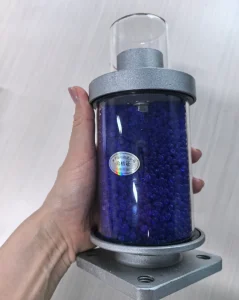
Что такое сапун из силикагеля трансформатора?
Сапун силикагеля трансформатора — это устройство, монтируемое на расширительном баке силовых трансформаторов.. Содержит силикагель, осушитель, поглощающий влагу из воздуха, поступающего в трансформатор при перепадах температур. Сапун обычно имеет прозрачный корпус., контейнер с силикагелем, фильтр, и вентиляционный механизм. Его основная функция — сохранять изоляционное масло сухим и свободным от загрязнений., maintaining the transformer’s dielectric strength.
Сапуны из силикагеля доступны в различных размерах и конфигурациях., от простых моделей со свободным дыханием до продвинутых моделей с индикаторами изменения цвета, показывающими уровень насыщения влагопоглотителя. Процесс контроля качества должен учитывать все эти различия, чтобы гарантировать надежную работу каждого типа в различных условиях окружающей среды., и интеграция знаний о индикатор температуры обмотки расширяет диагностические возможности.
| Аспект | Описание |
|---|---|
| Проверка сырья | Проверяет чистоту силикагеля, способность впитывать влагу, и распределение частиц по размерам. |
| Проверка размеров | Обеспечивает жилье, прокладки, и фитинги соответствуют указанным допускам. |
| Проверка качества сборки | Подтверждает правильную ориентацию компонента, целостность уплотнения, и момент затяжки. |
| Функциональное тестирование | Включает проверку на утечку, измерение падения давления, и реакция индикатора изменения цвета. |
| Проверка упаковки | Проверяет герметичность, маркировка, и защита от повреждений при транспортировке. |
| Соответствие стандартам | Соблюдение МЭК 60296, ИСО 9001, и внутренние спецификации качества. |
Ключевые этапы процесса контроля качества
Процесс контроля качества силикагелевых сапунов трансформаторов можно разделить на несколько основных этапов.: проверка сырья, проверка размеров, assembly quality checks, functional testing, and final packaging inspection. Raw material inspection involves verifying the silica gel’s moisture absorption capacity, particle size distribution, and chemical purity. Dimensional verification ensures that the housing, прокладки, and fittings meet the specified tolerances.
Assembly quality checks include verifying the correct orientation of components, the integrity of seals, and the torque applied to fasteners. Functional testing covers leakage testing under pressure, measuring the pressure drop across the breather, and checking the color-change indicator’s response time. Окончательно, packaging inspection ensures that the product is properly sealed, labeled, and protected against damage during transit.
Quality Standards and Specifications
Контроль качества сапуна из силикагеля трансформатора осуществляется в соответствии с международными стандартами, такими как IEC. 60296 (для изоляционных масел) и соответствующие части МЭК 60076 (для трансформаторов). Производители также следуют внутренним спецификациям, основанным на требованиях клиентов и лучших отраслевых практиках.. Ключевые параметры включают способность впитывать влагу. (обычно выражается в процентах прибавки в весе), размер частиц силикагеля (например, 2–5 мм), и максимально допустимая скорость утечки.
Помимо стандартов производительности, определены косметические и упаковочные критерии. The breather’s exterior must be free of scratches, вмятины, или обесцвечивание, и вся маркировка должна быть разборчивой. Packaging must be robust enough to withstand long-distance shipping without compromising the desiccant’s integrity. Регулярные проверки и калибровка инспекционного оборудования являются частью общей системы управления качеством..
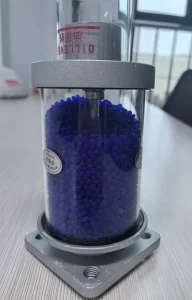
Распространенные дефекты и профилактические меры
К распространенным дефектам силикагелевых сапунов трансформаторов относятся трещины в корпусе., деградированные прокладки, неправильная заливка силикагеля, и неисправные индикаторы изменения цвета. Эти проблемы могут возникнуть из-за неправильного выбора материала., неправильные процедуры сборки, или недостаточное обращение во время транспортировки. Для предотвращения таких дефектов, производители осуществляют входной контроль материалов, текущие проверки, и ускоренные испытания на старение. Для обеспечения общей защиты трансформатора, понимание Замена реле Бухгольца процедуры рекомендуется.
Профилактические меры включают обучение операторов правильным методам сборки., с использованием автоматических динамометрических драйверов, и проведение 100% проверка герметичности на каждом агрегате. Статистический контроль процессов (НПЦ) методы применяются для мониторинга производственных тенденций и раннего обнаружения отклонений. Анализируя данные о дефектах, команды по качеству могут выявлять основные причины и осуществлять корректирующие действия для постоянного улучшения процесса..
Выводы и лучшие практики
Надежный процесс контроля качества сапунов из силикагеля трансформаторов необходим для обеспечения долгосрочной надежности и безопасности трансформатора.. Следуя структурированному подходу — от проверки сырья до окончательной упаковки — производители могут поставлять продукцию, которая соответствует ожиданиям клиентов или превосходит их.. Лучшие практики включают поддержание чистой производственной среды., регулярная калибровка испытательного оборудования, и развитие культуры качества среди всех сотрудников.
Для конечных пользователей, рекомендуется приобретать дыхательные аппараты у поставщиков, которые предоставляют документированные записи контроля качества и сертификаты.. Периодическая повторная квалификация продукта посредством независимых испытаний может еще больше повысить доверие.. Инвестиции в строгий контроль качества сокращают время простоев и продлевают срок службы как сапуна, так и трансформатора, который он защищает..
Часто задаваемые вопросы
Почему контроль качества важен для силикагелевых сапунов трансформаторов?
Контроль качества гарантирует, что сапун эффективно удаляет влагу из поступающего воздуха., предотвращение деградации трансформаторного масла и электрических сбоев. Без надлежащего контроля качества, такие дефекты, как утечки или низкая емкость осушителя, могут привести к дорогостоящему повреждению трансформатора..
Какие испытания проводятся на силикагеле при контроле качества?
Испытания включают измерение способности поглощать влагу. (например, процент прибавки в весе), анализ размера частиц, проверка химической чистоты, и оценка запыленности. Эти испытания подтверждают, что силикагель соответствует требуемым эксплуатационным характеристикам..
Как часто следует переоценивать качество сапуна из силикагеля??
Производители обычно проводят плановый контроль качества каждой производственной партии., с периодической переквалификацией (например, ежегодно) чтобы обеспечить последовательность. Конечные пользователи должны проверять сапуны при получении и после длительного хранения..
Лоянская компания Datang Energy Technology Co., ООО. это высокотехнологичное предприятие, интегрирующее R&Д, производство и поставка силового оборудования, такого как трансформаторы, новые энергетические компоненты, распределительные шкафы и инверторы. С технологическими инновациями в основе, мы фокусируемся на создании высоконадежных и высокопроизводительных решений в области электропитания для обслуживания клиентов по всему миру.. Со строгой системой контроля качества и сертификацией международного стандарта., мы продолжаем выпускать превосходную продукцию и даем возможность клиентам создавать безопасные и стабильные энергосистемы..
ПОХОЖИЕ ПОСТЫ
Надежное энергоснабжение для железнодорожных операторов: Масляный тяговый трансформатор 110 кВ
Инвертор мощности домашней энергетической системы WVC-2800 имеет широкий спектр областей применения., содействие модернизации и инновациям домашних энергетических систем

Насколько эффективен сетевой солнечный инвертор?

Подводные силовые кабели: Силовые кабели – будущее глобальной энергетики – Технологические прорывы и преимущества

По 2032, мировой рынок трансформаторов напряжения достигнет $42.1 миллиард, со среднегодовым темпом роста 6.6%