மின்னணு கூறுகள் சப்ளையர் | மின்மாற்றிகள், தூண்டிகள், இன்வெர்ட்டர்கள்


முக்கிய எடுப்புகள்
- OIP புஷிங்ஸ் எண்ணெய் செறிவூட்டப்பட்ட காகித காப்பு பயன்படுத்துகிறது, சிறந்த மின் செயல்திறனை வழங்குகிறது ஆனால் வழக்கமான பராமரிப்பு தேவைப்படுகிறது.
- RIP புஷிங்ஸ் பிசின் செறிவூட்டப்பட்ட காகிதத்தைக் கொண்டுள்ளது, ஒரு உலர் வழங்கும், நல்ல ஈரப்பதம் எதிர்ப்புடன் பராமரிப்பு இல்லாத தீர்வு.
- தேர்வு மின்னழுத்த அளவைப் பொறுத்தது, சுற்றுச்சூழல் நிலைமைகள், பராமரிப்பு திறன், மற்றும் வாழ்க்கைச் சுழற்சி செலவு.
- ஆர்ஐபி புஷிங்ஸ் பெரும்பாலும் கச்சிதமானவற்றுக்கு விரும்பப்படுகிறது, சுற்றுச்சூழல் உணர்திறன், அல்லது தொலை நிறுவல்கள்.
- OIP செலவு குறைந்ததாக உள்ளது, எண்ணெய் மேலாண்மை உள்கட்டமைப்புடன் பாரம்பரிய மின்மாற்றிகளுக்கான நிரூபிக்கப்பட்ட தேர்வு.
OIP மற்றும் RIP புஷிங்ஸின் விரைவான ஒப்பீடு
மின்மாற்றி புஷிங்கைத் தேர்ந்தெடுக்கும்போது, பொறியாளர்கள் OIP மற்றும் RIP வடிவமைப்புகளை ஒப்பிடுகின்றனர். எந்த வகையும் உலகளவில் உயர்ந்ததாக இல்லை - சிறந்த தேர்வு மின்னழுத்த அளவைப் பொறுத்தது, சுற்றுச்சூழல் நிலைமைகள், பராமரிப்பு உத்தி, மற்றும் பட்ஜெட். OIP புஷிங்ஸ் சிறந்த மின் செயல்திறன் கொண்ட நம்பகமான சேவையின் நீண்ட வரலாற்றைக் கொண்டுள்ளது, RIP புஷிங்ஸ் ஒரு கச்சிதத்தை வழங்கும் போது, நவீன உலர் வகை மற்றும் சிறிய மின்மாற்றி வடிவமைப்புகளுக்கு பொருத்தமான பராமரிப்பு இல்லாத மாற்று. ஒவ்வொரு தொழில்நுட்பத்தின் வரையறுக்கும் பண்புகளைப் புரிந்துகொள்வது தகவலறிந்த முடிவிற்கான முதல் படியாகும்.
இந்தக் கட்டுரை OIP மற்றும் RIP மின்மாற்றி புஷிங்களின் கட்டமைக்கப்பட்ட ஒப்பீட்டை வழங்குகிறது, அவற்றின் கட்டுமானத்தை உள்ளடக்கியது, முக்கிய பண்புகள், நன்மைகள், மற்றும் வரம்புகள். தேர்வு செயல்முறையை பாதிக்கும் காரணிகளையும் இது விவாதிக்கிறது, உங்கள் செயல்பாட்டுத் தேவைகளுடன் எந்த புஷிங் வகை சிறப்பாகச் சீரமைக்கிறது என்பதைத் தீர்மானிக்க உதவுகிறது. இறுதியில், இரண்டு விருப்பங்களையும் மதிப்பிடுவதற்கான தெளிவான கட்டமைப்பு உங்களிடம் இருக்கும்.
OIP மின்மாற்றி புஷிங் என்றால் என்ன?
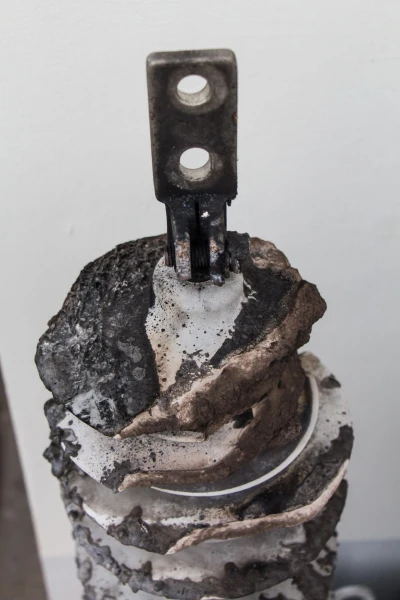
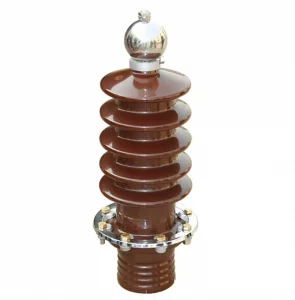
ஒரு OIP புஷிங் என்பது கனிம எண்ணெயால் செறிவூட்டப்பட்ட காகித காப்பு அடுக்குகளால் சூழப்பட்ட ஒரு மையக் கடத்தியைக் கொண்டுள்ளது.. எண்ணெய் ஒரு செறிவூட்டல் மற்றும் குளிரூட்டியாக செயல்படுகிறது, காகிதத்தின் மின்கடத்தா வலிமை மற்றும் வெப்ப கடத்துத்திறனை மேம்படுத்துகிறது. OIP புஷிங் பொதுவாக ஒரு பீங்கான் அல்லது கலப்பு இன்சுலேட்டரில் வைக்கப்படுகிறது மற்றும் சீல் செய்யப்பட்ட எண்ணெய் அமைப்பை உள்ளடக்கியது, இது கன்சர்வேட்டர் வகை அல்லது கேஸ் குஷன் மூலம் சீல் செய்யப்படலாம்.. இந்த வடிவமைப்பு பல தசாப்தங்களாக உயர் மின்னழுத்த மின்மாற்றிகளில் பயன்படுத்தப்படுகிறது மற்றும் வலுவான மின் செயல்திறனுக்காக அங்கீகரிக்கப்பட்டுள்ளது, குறைந்த மின்கடத்தா இழப்புகள், மற்றும் உயர் பகுதி வெளியேற்ற தொடக்க மின்னழுத்தம்.
எண்ணெய் அளவைக் கண்காணிக்க OIP புஷிங்களுக்கு வழக்கமான பராமரிப்பு தேவைப்படுகிறது, எண்ணெய் தரம், மற்றும் முத்திரை ஒருமைப்பாடு. எண்ணெய் கசிவு அபாயத்தை அறிமுகப்படுத்துகிறது, இது காப்புச் சிதைவு மற்றும் சுற்றுச்சூழல் கவலைகளுக்கு வழிவகுக்கும். இந்த குறைபாடுகள் இருந்தபோதிலும், OIP நன்கு புரிந்துகொள்ளப்பட்டதாகவே உள்ளது, அதிக சுற்றுப்புற வெப்பநிலை உள்ள பயன்பாடுகளுக்கான நிரூபிக்கப்பட்ட தொழில்நுட்பம், உயர் எழுச்சி மின்னழுத்தங்கள், மற்றும் நீண்ட சேவை வாழ்க்கை முன்னுரிமை. எண்ணெய் அமைப்பு சில வெப்ப நிலைத்தன்மையையும் வழங்குகிறது, இது குறுகிய கால சுமைகளை நிர்வகிக்க உதவுகிறது.
ஒரு RIP மின்மாற்றி புஷிங் என்றால் என்ன?
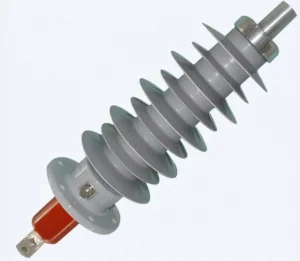
RIP புஷிங்ஸ் எண்ணெய் செறிவூட்டலை ஒரு செயற்கை பிசின் மூலம் மாற்றுகிறது, பொதுவாக எபோக்சி, இது ஒரு திடமான காப்பு அமைப்பை உருவாக்க குணப்படுத்துகிறது. வெற்றிடத்தின் கீழ், காகித அடுக்குகள் பிசின் மூலம் செறிவூட்டப்பட்டு ஒரே மாதிரியானவை, வெற்றிடமற்ற இன்சுலேஷன் கோர். கடத்தி இந்த திடமான மையத்தில் உட்பொதிக்கப்பட்டுள்ளது, மற்றும் வெளிப்புற மேற்பரப்பு பெரும்பாலும் கண்காணிப்பு எதிர்ப்பிற்காக ஒரு சிலிகான் அல்லது பீங்கான் வீடுகளால் மூடப்பட்டிருக்கும். RIP புஷிங்ஸ் முற்றிலும் உலர்ந்தது, எண்ணெய் மேலாண்மை மற்றும் தொடர்புடைய பராமரிப்புக்கான தேவையை நீக்குகிறது.
இந்த வடிவமைப்பு பல நன்மைகளை வழங்குகிறது: எண்ணெய் கசிவு இல்லை, குறைக்கப்பட்ட தீ ஆபத்து, குறைந்த எடை, மற்றும் மிகவும் கச்சிதமான தடம். RIP புஷிங்களும் நிறுவல் நோக்குநிலைக்கு குறைவான உணர்திறன் கொண்டவை மற்றும் வரையறுக்கப்பட்ட இடங்களில் பயன்படுத்தப்படலாம். திடமான காப்பு ஈரப்பதம் மற்றும் மாசுபாட்டிற்கு சிறந்த எதிர்ப்பை வழங்குகிறது, கடுமையான சூழலுக்கு அவற்றை ஏற்றதாக ஆக்குகிறது. எனினும், RIP புஷிங்ஸின் ஆரம்ப விலை பொதுவாக OIP ஐ விட அதிகமாக இருக்கும், மற்றும் வெப்பத்தை உறிஞ்சும் எண்ணெய் இல்லாததால் வெப்ப திறன் குறைவாக உள்ளது. பிசின் தொழில்நுட்பத்தின் முன்னேற்றங்கள் அவற்றின் வெப்ப செயல்திறனை மேம்படுத்தியுள்ளன, நவீன உயர் மின்னழுத்த பயன்பாடுகளின் தேவைகளை பூர்த்தி செய்ய அனுமதிக்கிறது.
OIP மற்றும் RIP புஷிங்ஸ் இடையே உள்ள முக்கிய வேறுபாடுகள்
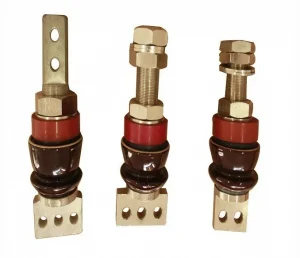
கீழே உள்ள அட்டவணை பல முக்கியமான பரிமாணங்களில் OIP மற்றும் RIP புஷிங்களுக்கு இடையிலான முதன்மை வேறுபாடுகளை சுருக்கமாகக் கூறுகிறது. கொடுக்கப்பட்ட பயன்பாட்டிற்கான தேர்வு செயல்முறையை இந்த வேறுபாடுகள் நேரடியாக பாதிக்கின்றன. ஒவ்வொரு காரணியும் நிஜ உலக செயல்திறனை எவ்வாறு பாதிக்கிறது என்பதை அட்டவணையின் பின்வரும் விவாதம் விளக்குகிறது.
வடிவமைப்பு பொறியாளர்கள் கவனிக்க வேண்டும்: OIP சிறந்த வெப்ப திறன் மற்றும் குறைந்த முன்செலவை வழங்குகிறது, RIP ஒரு பராமரிப்பு-இலவசத்தை வழங்குகிறது, சிறந்த ஈரப்பதம் எதிர்ப்புடன் சுற்றுச்சூழல் நட்பு தீர்வு. வழக்கமான எண்ணெய் கண்காணிப்பு சாத்தியமான இடத்தில் மின்மாற்றி நிறுவப்படுமா மற்றும் RIP இல் அதிக ஆரம்ப முதலீடு குறைக்கப்பட்ட வாழ்க்கைச் சுழற்சி செலவுகளால் நியாயப்படுத்தப்படுமா என்பது பெரும்பாலும் தேர்வு செய்யப்படுகிறது..
| ஒப்பீட்டு அளவு | OIP புஷிங் | RIP புஷிங் |
|---|---|---|
| காப்பு பொருள் | எண்ணெய் செறிவூட்டப்பட்ட காகிதம் | பிசின் செறிவூட்டப்பட்ட காகிதம் (எபோக்சி) |
| பராமரிப்பு தேவை | வழக்கமான எண்ணெய் தரம், நிலை, மற்றும் சீல் காசோலைகள் | கிட்டத்தட்ட பராமரிப்பு இல்லாதது |
| சுற்றுச்சூழல் உணர்திறன் | ஈரப்பதத்திற்கு உணர்திறன்; சீல் அமைப்பு தேவை | சிறந்த ஈரப்பதம் எதிர்ப்பு; சீல் செய்யப்பட்ட உலர் வடிவமைப்பு |
| வெப்ப திறன் | எண்ணெய் நிறை காரணமாக ஒப்பீட்டளவில் அதிகமாக உள்ளது | எண்ணெய் இல்லாததால் குறைந்துள்ளது; பிசின் வெப்ப சேமிப்பை கட்டுப்படுத்துகிறது |
| மின்னழுத்த வரம்பு | நடுத்தரத்திலிருந்து கூடுதல் உயர் மின்னழுத்தம் வரை பொருந்தும் | நடுத்தரத்திலிருந்து கூடுதல் உயர் மின்னழுத்தம் வரை பொருந்தும், குறிப்பாக மேலே 72.5 கே.வி |
| செலவு | குறைந்த ஆரம்ப செலவு | அதிக ஆரம்ப செலவு; சில சந்தர்ப்பங்களில் குறைந்த வாழ்க்கைச் சுழற்சி செலவு |
உங்கள் விண்ணப்பத்திற்கு சரியான புஷிங்கை எவ்வாறு தேர்வு செய்வது
OIP மற்றும் RIP புஷிங்களுக்கு இடையே தேர்ந்தெடுப்பதற்கு, பல பயன்பாடு சார்ந்த அளவுகோல்களை மதிப்பீடு செய்ய வேண்டும். முதலில், மின்னழுத்த வகுப்பைக் கவனியுங்கள்: இரண்டு தொழில்நுட்பங்களும் உயர் மற்றும் கூடுதல் உயர் மின்னழுத்த வரம்புகளுக்கு கிடைக்கின்றன, ஆனால் மேலே உள்ள அமைப்புகளில் RIP புஷிங்குகள் பெருகிய முறையில் பொதுவானதாகிவிட்டன 72.5 அவற்றின் சுருக்கம் மற்றும் உலர் காப்பு காரணமாக கே.வி. இரண்டாவது, சுற்றுச்சூழல் நிலைமைகளை மதிப்பிடுங்கள்: மின்மாற்றி கடலோரத்தில் அமைந்திருந்தால், தொழில்துறை, அல்லது அதிக ஈரப்பதம் உள்ள பகுதி, சீல் வைக்கப்பட்டது, RIP இன் ஈரப்பதம்-எதிர்ப்பு வடிவமைப்பு பராமரிப்பு சுமைகளை குறைக்கலாம்.
மூன்றாவது, பராமரிப்பு திறன்களை மதிப்பிடுங்கள். எண்ணெய் கசிவைக் கையாள உங்கள் வசதிக்கு வழக்கமான எண்ணெய் சோதனைத் திட்டம் மற்றும் உள்கட்டமைப்பு இருந்தால், OIP ஒரு செலவு குறைந்த தேர்வாக இருக்கலாம். தொலைதூர அல்லது ஆளில்லா துணை மின்நிலையங்களுக்கு, RIP இன் குறைந்த பராமரிப்பு தன்மை மிகவும் சாதகமானது. நான்காவது, மின்மாற்றியின் ஒட்டுமொத்த வடிவமைப்பைக் கவனியுங்கள்: சிறிய மின்மாற்றிகள் பெரும்பாலும் RIP புஷிங்ஸின் சிறிய பரிமாணங்களிலிருந்து பயனடைகின்றன, பெரியதாக இருக்கும் போது, பாரம்பரியமாக வடிவமைக்கப்பட்ட மின்மாற்றிகள் ஏற்கனவே OIPக்கு உகந்ததாக இருக்கலாம். இறுதியாக, ஆரம்ப கொள்முதலை உள்ளடக்கிய வாழ்க்கைச் சுழற்சி செலவு பகுப்பாய்வைச் செய்யவும், நிறுவல், பராமரிப்பு, மற்றும் சாத்தியமான வேலையில்லா நேரம். பல சந்தர்ப்பங்களில், RIP இன் அதிக முன்கூட்டிய செலவு குறைக்கப்பட்ட பராமரிப்பு மற்றும் ஆய்வுகளுக்கு இடையே நீண்ட இடைவெளிகளால் ஈடுசெய்யப்படுகிறது.
முடிவுரை
OIP மற்றும் RIP மின்மாற்றி புஷிங்குகள் இரண்டும் மின் துறையில் நிரூபிக்கப்பட்ட பதிவுகளை கொண்டுள்ளன, ஆனால் அவை வெவ்வேறு பயன்பாட்டு சுயவிவரங்களை வழங்குகின்றன. அதிக வெப்ப திறன் உள்ள பயன்பாடுகளில் OIP புஷிங்ஸ் சிறந்து விளங்குகிறது, நிரூபிக்கப்பட்ட நீண்ட கால செயல்திறன், மற்றும் குறைந்த ஆரம்ப செலவு முன்னுரிமைகள், மற்றும் பராமரிப்பு ஆதாரங்கள் எங்கே கிடைக்கும். RIP புஷிங்ஸ் நவீனத்தை வழங்குகின்றன, பராமரிப்பு குறைக்கும் உலர் மாற்று, சுற்றுச்சூழல் அபாயத்தை குறைக்கிறது, மற்றும் சிறிய அல்லது சுற்றுச்சூழல் உணர்திறன் நிறுவல்களுக்கு நன்றாக பொருந்துகிறது.
எந்த ஒரு "சிறந்த" வகையும் இல்லை-உங்கள் குறிப்பிட்ட தேவைகளுக்கு சிறப்பாக பொருந்தக்கூடிய ஒன்று மட்டுமே. இந்த கட்டுரையில் பட்டியலிடப்பட்டுள்ள பரிமாணங்களை உங்கள் பயன்பாட்டின் மின்னழுத்தத்துடன் முறையாக ஒப்பிடுவதன் மூலம், சூழல், பராமரிப்பு உத்தி, மற்றும் பட்ஜெட், நீங்கள் நம்பிக்கையுடன் தேர்வு செய்யலாம். மேலும் வழிகாட்டுதலுக்கு மின்மாற்றி பாகங்கள், எங்கள் கட்டுரைகளைப் பார்க்கவும் புச்சோல்ஸ் ரிலே மற்றும் முறுக்கு வெப்பநிலை காட்டி.
அடிக்கடி கேட்கப்படும் கேள்விகள்
OIP மற்றும் RIP புஷிங்குகளுக்கு இடையே உள்ள முக்கிய வேறுபாடு என்ன??
முக்கிய வேறுபாடு காப்பு அமைப்பு: OIP கனிம எண்ணெயை கருவுற்றதாகப் பயன்படுத்துகிறது, RIP ஒரு திடப்பொருளை உருவாக்க செயற்கை பிசின் பயன்படுத்துகிறது, உலர் காப்பு. இதனால் பராமரிப்பு பாதிக்கப்படுகிறது, சுற்றுச்சூழல் உணர்திறன், வெப்ப திறன், மற்றும் செலவு.
உயர் மின்னழுத்த பயன்பாடுகளுக்கு RIP புஷிங் பொருத்தமானதா??
ஆம், உயர் மின்னழுத்தம் மற்றும் கூடுதல் உயர் மின்னழுத்த பயன்பாடுகளில் RIP புஷிங் பரவலாகப் பயன்படுத்தப்படுகிறது, குறிப்பாக மேலே 72.5 கே.வி. அவற்றின் சிறிய வடிவமைப்பு மற்றும் உலர் காப்பு நவீன உயர் மின்னழுத்த மின்மாற்றிகளுக்கு அவற்றை கவர்ச்சிகரமானதாக ஆக்குகிறது.
OIP புஷிங்களுக்கு RIP ஐ விட அதிக பராமரிப்பு தேவையா??
ஆம், OIP புஷிங்களுக்கு எண்ணெய் அளவை அவ்வப்போது சரிபார்க்க வேண்டும், எண்ணெய் தரம், மற்றும் முத்திரை ஒருமைப்பாடு. RIP புஷிங்ஸ் அடிப்படையில் பராமரிப்பு இல்லாதது, ஏனெனில் அவற்றில் கண்காணிக்க அல்லது மாற்றுவதற்கு எண்ணெய் இல்லை.
Luoyang Datang எனர்ஜி டெக்னாலஜி கோ., லிமிடெட். R ஐ ஒருங்கிணைக்கும் உயர் தொழில்நுட்ப நிறுவனமாகும்&டி, மின்மாற்றி போன்ற மின் சாதனங்களை உற்பத்தி செய்தல் மற்றும் வழங்குதல், புதிய ஆற்றல் கூறுகள், விநியோக பெட்டிகள் மற்றும் இன்வெர்ட்டர்கள். தொழில்நுட்ப கண்டுபிடிப்புகளை மையமாக கொண்டு, உலகளாவிய வாடிக்கையாளர்களுக்கு சேவை செய்ய உயர்-நம்பகத்தன்மை மற்றும் உயர் செயல்திறன் ஆற்றல் தீர்வுகளை உருவாக்குவதில் நாங்கள் கவனம் செலுத்துகிறோம். கடுமையான தரக் கட்டுப்பாட்டு அமைப்பு மற்றும் சர்வதேச தர சான்றிதழுடன், நாங்கள் தொடர்ந்து சிறந்த தயாரிப்புகளை வெளியிடுகிறோம் மற்றும் வாடிக்கையாளர்களுக்கு பாதுகாப்பான மற்றும் நிலையான சக்தி அமைப்புகளை உருவாக்க உதவுகிறோம்.
தொடர்புடைய இடுகைகள்
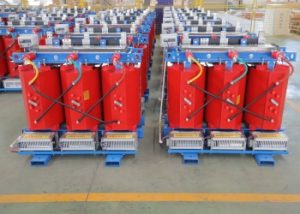
தொழில்துறைக்கான உலர் வகை மூன்று-கட்ட மின்மாற்றிகள், EV சார்ஜர் மற்றும் மருத்துவ வடிவமைப்புகள்
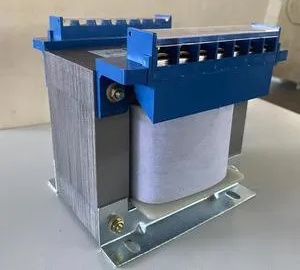
ஸ்மார்ட் லேண்ட்ஸ்கேப் லைட்டிங் டிரான்ஸ்ஃபார்மர்களுக்கான அல்டிமேட் கைடு: வைஃபை, ஹாம்ப்டன் விரிகுடா, மற்றும் மோதிரம் ஒப்பிடப்பட்டது
எதிர்காலம் புத்திசாலி: புதுப்பிக்கத்தக்க ஆற்றலை நவீன கட்டத்துடன் ஒருங்கிணைத்தல்
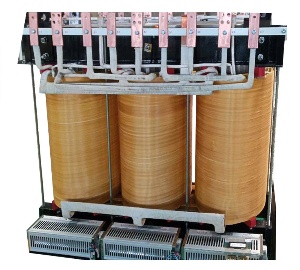
மூன்று கட்ட விநியோக மின்மாற்றிகள்: நவீன உலகத்தை திறம்பட இயக்குதல்
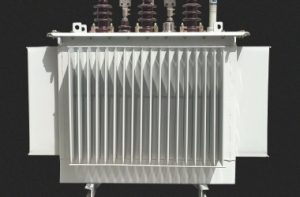
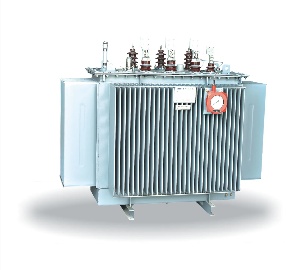
எண்ணெயில் மூழ்கிய மின்மாற்றி: சக்தி அமைப்பின் ஸ்திரத்தன்மை பாதுகாவலர்