Electronic Components Supplier | Transformers, Inductors, Inverters


When people talk about transformer failures, most assume the problem comes from the transformer body itself—winding failure, insulation breakdown, or overload.
But after years of working in power equipment export, I’ve noticed something surprising:
Most transformer failures don’t actually start inside the transformer.
They start with the accessories.
Yes—small, often overlooked components like bushings, oil level indicators, Buchholz relays, pressure relief valves, and silica gel breathers.
These parts rarely get the spotlight during procurement. Buyers spend weeks comparing transformer brands, capacities, voltage ratings, and cooling methods—but sometimes only minutes checking accessory quality.
That’s where problems begin.
A transformer is only as reliable as the components protecting it.
The Hidden Truth in Power Projects
In many power projects, procurement teams focus heavily on:
- Transformer price
- Delivery time
- Technical specs
- Factory certifications
All important.
But here’s what often gets missed:
Accessories determine long-term operational stability.
Imagine buying a high-quality 2000kVA transformer with excellent copper windings and premium core steel.
Now imagine installing low-grade accessories.
The transformer may leave the factory in perfect condition.
But within months, poor-quality accessories can trigger:
- Oil leakage
- Moisture contamination
- Pressure buildup
- Insulation degradation
- Unexpected shutdowns
And suddenly, a perfectly good transformer becomes a problem.
Case 1: The Small Leak That Became a Big Problem
A utility customer once reported abnormal oil loss in a distribution transformer.
At first, they suspected tank welding issues.
After inspection, the root cause was much simpler:
A poor-quality oil level indicator gasket had failed.
That tiny seal allowed slow oil leakage.
Not enough to be noticed immediately.
But enough to reduce oil level over time.
As oil dropped:
- Cooling performance weakened
- Temperature increased
- Insulation aged faster
The final result?
A costly outage that could have been prevented with a better accessory.
All from a component worth less than a few dollars.
Case 2: Moisture — The Silent Killer
Moisture is one of the biggest enemies of transformer insulation.
That’s why silica gel breathers matter so much.
Their job sounds simple:
- Absorb moisture from incoming air
- Protect transformer oil from contamination
Simple does not mean unimportant.
Cheap breathers often have:
- Poor sealing
- Weak glass structure
- Low-quality silica gel
Once moisture enters the transformer oil, problems escalate quickly.
Water reduces insulation strength dramatically.
Even a small amount can increase risk of:
- Partial discharge
- Internal arcing
- Insulation failure
By the time operators detect the issue, damage may already be serious.
Case 3: Protection Systems That Fail to Protect
A transformer protection system exists for one reason:
To detect faults before catastrophic damage occurs.
This includes components such as:
- Buchholz Relay
- Pressure Relief Device
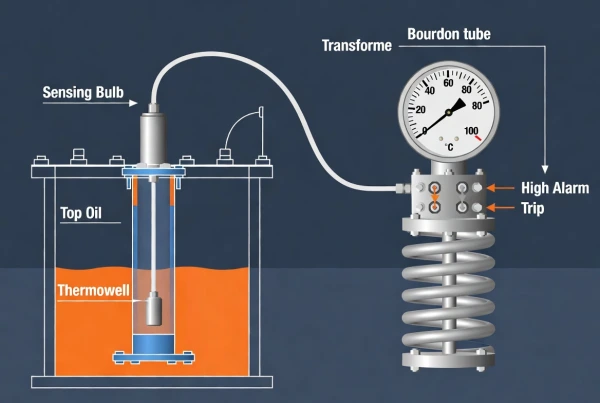
- Temperature Gauge
- Pressure Vacuum Valve
These accessories act like the transformer’s nervous system.
They detect abnormal behavior before humans can.
But here’s the danger:
If these accessories fail, the transformer loses its early warning system.
That’s like driving a car with broken brakes and no dashboard alerts.
You may not notice the danger—until it’s too late.
Why Buyers Still Underestimate Accessories
There are several reasons.
1. Accessories look simple
Compared with a massive power transformer, accessories seem small and inexpensive.
This creates the illusion that they’re low risk.
They’re not.
2. Buyers focus too much on initial cost
Some suppliers reduce project cost by cutting accessory quality.
The savings look attractive during bidding.
But the long-term cost can be much higher.
Cheap today often becomes expensive tomorrow.
3. Many buyers lack accessory expertise
Transformer specifications are usually clear.
Accessory specifications?
Not always.
That creates room for hidden quality differences.
Two accessories may look identical in photos.
In reality, their performance can be very different.
The 5 Accessories Every Buyer Must Check
If you’re buying transformers or transformer accessories, pay special attention to these five.
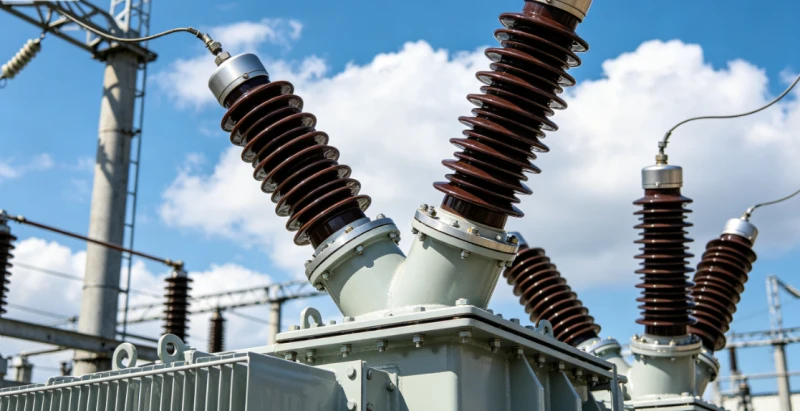
1. Transformer Bushings
Bushings provide insulated passage for electrical conductors.
A poor-quality bushing can cause:
- Flashover
- Cracking
- Insulation failure
- Safety incidents
Always check:
- Insulation material
- Creepage distance
- Voltage rating
- Test certificates
This is one accessory you should never compromise on.
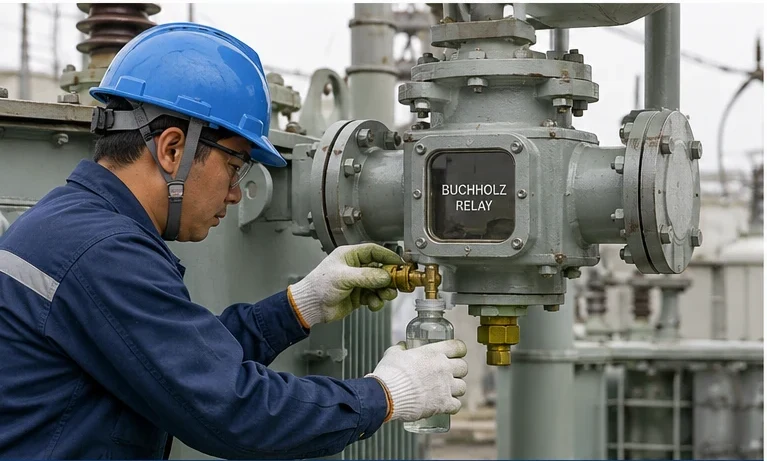
2. Buchholz Relay
Critical for oil-immersed transformers.
It detects:
- Gas accumulation
- Internal faults
- Oil movement abnormalities
Ask suppliers:
- Is it tested before shipment?
- What standard does it follow?
- What material is used?
Reliable relays save transformers.
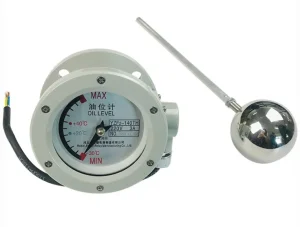
3. Oil Level Indicator
Simple but essential.
Check for:
- Accurate reading
- Leak resistance
- Durable sealing
Even minor failures create major risk over time.
4. Pressure Relief Device
This protects the tank during internal pressure rise.
A reliable device releases pressure fast enough to prevent explosion risk.
This is not an area for low-cost shortcuts.
5. Silica Gel Breather
The first defense against moisture.
Buyers should check:
- Sealing performance
- Silica gel quality
- Housing durability
Good breathers help extend transformer life significantly.
What Smart Buyers Do Differently
Experienced buyers ask different questions.
They don’t just ask:
“What’s your transformer price?”
They ask:
- Which accessory brands do you use?
- Can accessories be customized?
- Do you provide replacement parts?
- What testing is done before shipment?
- How easy is maintenance?
These questions reveal supplier professionalism very quickly.
Good suppliers welcome these questions.
Weak suppliers try to avoid them.
The Future of Transformer Procurement
The industry is changing.
Global buyers are becoming more sophisticated.
They increasingly care about:
- Reliability
- Lifecycle cost
- Maintenance efficiency
- Spare part availability
That means accessory quality is becoming a major purchasing factor.
Not just transformer price.
This trend is especially strong in:
- Africa
- Middle East
- Southeast Asia
- Renewable energy projects
Why?
Because downtime is expensive.
Very expensive.
In many remote or developing power networks, replacing a failed transformer can take weeks—or months.
Prevention is far cheaper than repair.
Final Thoughts
A transformer may be the heart of a power system.
But accessories are the organs that keep it alive.
Ignore them, and even the best transformer can fail.
Choose them wisely, and you dramatically improve system reliability.
The next time you evaluate a transformer supplier, remember this:
Don’t only inspect the transformer.
Inspect everything around it.
Because in real-world operation, reliability is built from details.
And in power systems, small components often make the biggest difference.
RELATED POSTS

By 2032, the global voltage transformer market will reach $42.1 billion, with a compound annual growth rate of 6.6%
The Ultimate Guide to Cast Resin Type Transformers: Efficiency, Safety, and Sustainability

40TPS12A Thyristor: the "golden partner" of power electronics

Voltage Converter 110V to 220V: A Complete Guide for International Power Compatibility
Frontiers of Superconducting Transformers Technology: Reality and Challenges of the Next Generation of High Efficiency Power Equipment