Electronic Components Supplier | Transformers, Inductors, Inverters


Voltage Converter 110V to 220V: A Complete Guide for International Power Compatibility
Introduction
In our globally connected world, electrical devices often need to operate across different voltage standards. The most common conversion required is between 110V (used in North America and parts of South America and Asia) and 220V (standard in Europe, Africa, Asia, and Australia). A 110V to 220V voltage converter serves as an essential tool for travelers, expatriates, and businesses to ensure their electronics function safely and efficiently worldwide.
Understanding Voltage Standards
110-120V regions: United States, Canada, Mexico, Japan
220-240V regions: Most of Europe, UK, China, India, Australia
Devices designed for one voltage system may malfunction or get damaged if plugged directly into another without proper conversion.
Types of 110V to 220V Converters
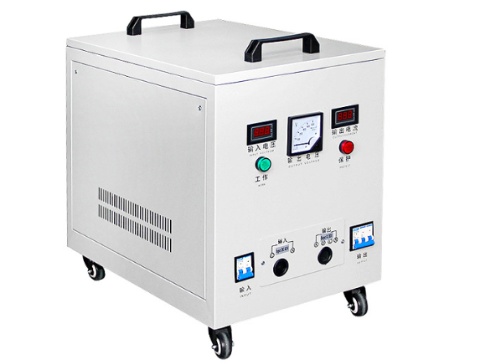
Several solutions exist for voltage conversion, each suited for different needs:
1. Step-Up Voltage Converters
Convert 110V input to 220V output
Ideal for powering 220V devices in 110V countries (e.g., using European appliances in the US)
2. Step-Down Voltage Converters
Convert 220V input to 110V output
Necessary for using American devices in 220V countries
3. Dual-Voltage Converters
Automatic detection and conversion between 110V and 220V
Often include multiple outlets and USB ports for convenience
4. Travel Adapters vs. Voltage Converters
Adapters only change plug shapes (no voltage conversion)
Converters actually transform the voltage (essential for non-dual-voltage devices)
Key Features to Consider When Choosing a Converter
Power Rating (Wattage)
Must exceed the wattage of your device (check device label)
Small electronics (phones, laptops): 50-200W
High-power devices (hair dryers, kettles): 1500W+
Waveform Type
Modified sine wave: Affordable, works for most electronics
Pure sine wave: Essential for sensitive devices (medical equipment, audio systems)
Safety Protections
Look for overload protection, thermal cutoff, and surge protection
Portability
Compact, lightweight designs preferred for travel
Common Applications
Travel: Using hair dryers, electric shavers, or gaming consoles abroad
Business: Operating specialized equipment in different countries
Immigrants/Expatriates: Bringing appliances from home to new countries
E-commerce: Testing products for international markets

Important Safety Considerations
Never exceed the converter's maximum wattage capacity
Check if your device is dual-voltage (many modern electronics are)
Avoid using converters with motor-driven or heating appliances for extended periods
Look for certifications like CE, UL, or RoHS for safety assurance
Future Trends in Voltage Conversion
Development of universal smart converters with auto-sensing technology
Integration with USB-C Power Delivery for modern devices
More compact and energy-efficient designs
Wireless voltage adaptation technologies (in development)
Conclusion
A reliable 110V to 220V voltage converter is an indispensable tool for international travelers and global citizens. By understanding the different types of converters and selecting the appropriate one for your needs, you can protect your valuable electronics and ensure seamless operation across borders. Always prioritize safety by choosing quality-certified products and matching the converter's capacity to your devices' requirements.
As technology advances, we can expect even more sophisticated solutions to emerge, making international power compatibility simpler than ever before.
RELATED POSTS

Revealing the secret weapon of solar power plants: Solar Power Plant Inverter
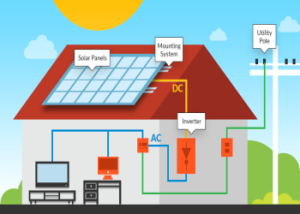
Choosing the best solar inverter system for your home
Vacuum Circuit Breakers: The Ultimate Guide to VCB Technology for Modern Electrical Systems
Dist Transformer, DTR Transformer, and the Future of Energy Distribution: A Revolution Powered by AI
High Efficiency and Smart Transformers for EV Charging Stations