


Electronic Components Supplier | Transformers, Inductors, Inverters


Key takeaways
- Transformer protection accessories include mechanical and electrical devices that detect faults and prevent damage.
- The Buchholz relay is critical for gas and oil flow detection in oil-immersed transformers.
- Temperature monitoring devices (OTI/WTI) protect against overheating and insulation failure.
- Pressure relief valves and dehydrating breathers safeguard the tank from overpressure and moisture.
- Cooling system components (radiators, fans, pumps) ensure proper heat dissipation.
- Overcurrent and earth fault relays provide electrical protection for all transformer types.
- Oil level indicators and conservator tanks maintain proper oil level and prevent air ingress.
Overview of Transformer Protection Accessories
Transformer protection accessories are installed on or connected to a power transformer to detect abnormal conditions and initiate corrective actions. Every substation requires a set of these accessories to safeguard against faults such as overcurrent, overheating, oil leakage, gas accumulation, and internal arcing. Key accessories include gas-actuated relays (Buchholz relay), temperature indicators, pressure relief valves, oil level gauges, cooling system components, and protective relays for electrical faults. These accessories work together to minimize damage, reduce downtime, and ensure the reliability of the power system.
The selection of protection accessories depends on transformer type (oil-immersed or dry-type), voltage class, capacity, and environmental conditions. Our transformer accessories selection guide provides detailed parameters for engineers. For oil-immersed transformers, the Buchholz relay and conservator tank are essential; for dry-type transformers, temperature sensors and overcurrent relays provide primary protection. A comprehensive protection scheme ensures early detection and safe isolation of any abnormal condition.
In a substation, these accessories are typically integrated into the transformer control and monitoring system, allowing operators to remotely supervise transformer health. Regular inspection and testing of each accessory are necessary to maintain functionality over the transformer’s lifetime.
Buchholz Relay: Detecting Gas and Oil Flow
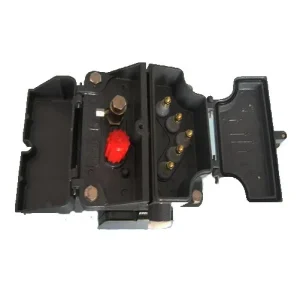
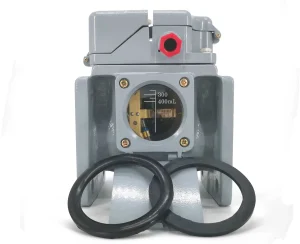
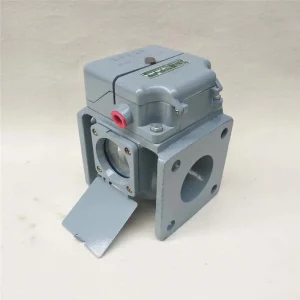
The Buchholz relay, a key protection accessory for oil-immersed transformers, is installed in the pipe connecting the transformer tank to the conservator tank. It detects slow gas accumulation from minor faults (e.g., partial discharge) and rapid oil flow from major faults (e.g., short circuit). Gas accumulation triggers an alarm; oil flow exceeding a threshold trips the circuit breaker to isolate the transformer. Understanding the common reasons why a Buchholz relay trips is crucial for maintenance.
The device operates on the principle of buoyancy and fluid dynamics: a float or paddle inside the relay moves in response to changes in gas volume or oil velocity. It is designed for specific oil pressure and temperature ranges. Learn how to select the right Buchholz relay for your oil-immersed transformer from our detailed guide. As a mechanical device requiring no external power supply, it is highly reliable in substation environments.
The Buchholz relay is most effective for transformers with a conservator tank and is not suitable for sealed transformers or those with nitrogen blanketing. Routine maintenance includes checking the relay for accumulated gas and testing its operation with simulated gas injection.
Temperature Monitoring Devices: Winding and Oil Temperature
Temperature monitoring devices are critical for preventing overheating in transformers. The two main types are oil temperature indicators (OTI) and winding temperature indicators (WTI). The OTI measures the top oil temperature, while the WTI uses a thermal replica of the winding to estimate the hottest spot temperature. Both devices provide local readings and can send signals to the control system for alarm or trip.
These indicators typically use a bulb-and-capillary system or a resistive temperature detector (RTD) connected to a temperature controller. The sensor is immersed in the oil or placed near the winding. When temperature exceeds a preset limit, the device initiates cooling (e.g., starting fans) or trips the transformer to prevent insulation damage.
Temperature monitoring is required for all transformers above a certain capacity. The setting points depend on the transformer insulation class and ambient temperature. Regular calibration ensures accuracy. Some modern devices offer digital communication and remote monitoring capabilities.

Pressure Relief Valve and Dehydrating Breather
The pressure relief valve (PRV) is a safety accessory that protects the transformer tank from excessive internal pressure. During a fault, pressure inside the transformer can rise rapidly due to gas generation. The PRV opens quickly to release the pressure, preventing the tank from rupturing. After the pressure drops, the valve reseals automatically or manually, depending on the design.
The dehydrating breather is another essential accessory for oil-immersed transformers. It is connected to the conservator tank and removes moisture and contaminants from the air that enters the transformer as the oil level changes due to temperature variations. The breather contains a desiccant (e.g., silica gel) that changes color when saturated, indicating the need for replacement.
Both devices are passive and require minimal maintenance. The PRV should be tested periodically for proper operation, and the breather desiccant should be replaced based on humidity conditions. Their combined function ensures the transformer remains within safe pressure and moisture levels.
Cooling System Accessories: Radiators and Fans
Cooling system accessories, including radiators, fans, and oil pumps, are essential for dissipating heat generated during transformer operation. The transformer’s cooling class (ONAN, ONAF, OFAF, etc.) determines the required accessories. For example, ONAN (Oil Natural Air Natural) relies on radiators and natural convection; ONAF adds fans to increase air flow.
Cooling fans are controlled by temperature sensors. When the oil or winding temperature rises above a threshold, the fans start automatically. Some transformers also have oil pumps to circulate oil through the radiator. Proper cooling prevents insulation degradation and extends transformer life.
Regular inspection of cooling fans, radiators, and oil pumps is necessary. Blocked radiators or malfunctioning fans can lead to overheating. In substations with high ambient temperatures, additional cooling capacity may be required. The cooling system should be designed with redundancy to ensure operation even if one fan fails.
Overcurrent and Earth Fault Protection Relays
Overcurrent and earth fault protection relays are electrical protection devices that detect unbalance between phase currents or excessive current flow. They are installed in the transformer circuit breaker panel. Overcurrent protection guards against overloads and short circuits; earth fault protection detects ground faults. These relays measure current via current transformers (CTs) and send a trip signal when the current exceeds a set value for a defined time.
The relay settings need to coordinate with upstream and downstream protection devices to ensure selectivity. For example, the transformer relay should trip before the upstream feeder relay to minimize outage area. Modern numerical relays provide multiple protection curves, communication capability, and event recording.
These relays are used for all transformer types, including oil-immersed and dry-type. They are not a substitute for mechanical protection accessories like the Buchholz relay, but work in parallel to provide comprehensive electrical protection. Regular testing and calibration of relays and CTs are required to maintain accuracy.
Oil Level Indicator and Conservator Tank
The oil level indicator is a visual gauge mounted on the conservator tank that shows the oil level in the transformer. It is typically a magnetic or float-type indicator. The conservator tank itself is a protection accessory that accommodates oil volume changes due to thermal expansion. It maintains the oil level within the transformer tank full, preventing air ingress and moisture absorption.
The indicator often includes high and low level alarms. If the oil level drops below the minimum, the transformer may be exposed to air, leading to insulation degradation. The conservator tank is also equipped with a dehydrating breather and a Buchholz relay. In some designs, the conservator tank is equipped with a flexible bladder or diaphragm to separate oil from air.
Regular visual inspection of the oil level indicator is part of routine substation checks. If the oil level drops unexpectedly, it may indicate a leak. The conservator tank should be properly sized and maintained to ensure effective oil preservation.
Frequently asked questions
How often should the Buchholz relay be tested?
The Buchholz relay should be tested at least once a year or according to the manufacturer’s recommendations. The test involves checking the float and paddle mechanism, simulating gas accumulation, and verifying the alarm and trip contacts.
Can a dry-type transformer use the same protection accessories as an oil-immersed transformer?
No, dry-type transformers do not require oil-related accessories such as the Buchholz relay, conservator tank, or oil level indicator. Their primary protection includes temperature sensors, overcurrent relays, and sometimes fans for cooling.
What is the function of the dehydrating breather in a transformer?
The dehydrating breather removes moisture and dust from the air entering the transformer’s conservator tank. It contains a desiccant that absorbs moisture, and when the desiccant changes color, it indicates the need for replacement.
Luoyang Datang Energy Technology Co., Ltd. is a high-tech enterprise integrating R&D, manufacturing and supply of power equipment such as transformers, new energy components, distribution cabinets and inverters. With technological innovation as the core, we focus on creating high-reliability and high-performance power solutions to serve global customers. With a strict quality control system and international standard certification, we continue to output excellent products and enable customers to build safe and stable power systems.
RELATED POSTS

Fast Diode Modules and Standard Diode Modules: Differences in Working Principles, Characteristics and Applications

Submarine Power Cables: Power Cables Leading the Future of Global Energy Transportation – Technological Breakthroughs and Advantages

How to brighten your garden without calling an electrician
Comprehensive Technical Analysis of Dry type Transformers: Structural Principles, Performance Advantages, and Application Trends (2026 Edition)
Special Insulator for Low-Voltage Transformer Revolutionizes Safety and Performance in Power Distribution
