


Electronic Components Supplier | Transformers, Inductors, Inverters


Key takeaways
- Magnetic oil level gauges use a magnetic coupling for leak-free, accurate level indication.
- Float-type gauges rely on a direct mechanical linkage, offering lower initial cost but higher maintenance.
- Magnetic gauges are better suited for harsh environments and critical applications like transformers.
- The choice depends on accuracy needs, environmental conditions, and total cost of ownership.
Magnetic Oil Level Gauge vs. Float-Type: A Quick Comparison
Magnetic and float-type oil level gauges are two common devices for measuring liquid levels in tanks, especially in industrial applications such as transformers, oil storage, and hydraulic systems. The key difference is in the operating principle: magnetic gauges use a magnetic coupling between a float and an external indicator, while float-type gauges rely on a direct mechanical linkage or a float that moves a pointer or switch. This distinction affects accuracy, durability, maintenance, and suitability for different environments.
Also known as a magnetic flip plate level gauge or magnetic level indicator, the magnetic gauge has a float with an internal magnet that drives an external display. The float-type gauge uses a buoyant float connected to a rod or wire that directly moves a readout mechanism. Understanding these differences helps select the best oil level monitoring device for a given industrial need.
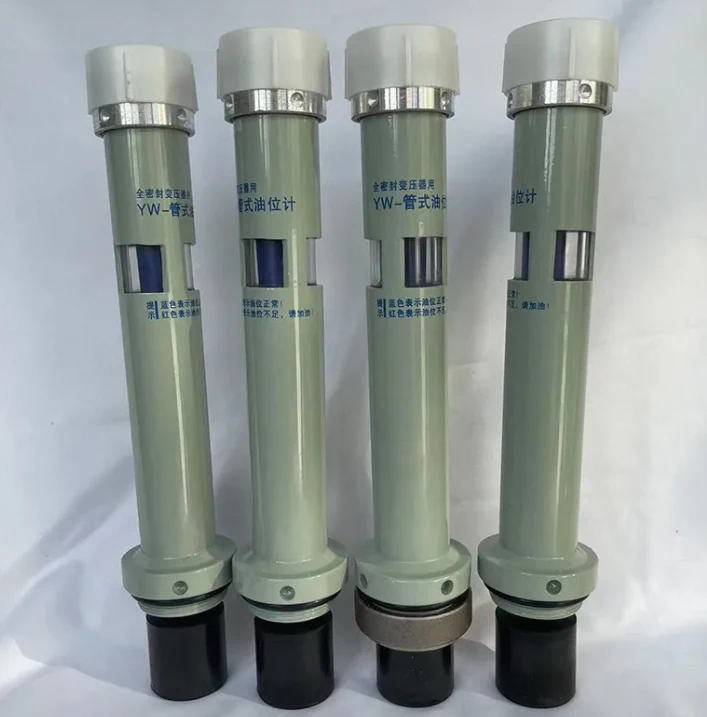
What Is a Magnetic Oil Level Gauge?
A magnetic oil level gauge operates on a magnetic coupling principle. Inside the gauge, a float containing a permanent magnet rises and falls with the liquid level. The float’s movement causes magnetic attraction with magnetic flaps or a follower magnet outside the tube, which moves an indicator or changes the color display. This design eliminates mechanical seals and direct physical connections between the internal liquid and the external indicator, reducing leakage risk and improving reliability.
Magnetic gauges are commonly used in transformer oil level monitoring, fuel tanks, and other applications that require high reliability and clear visibility. Advantages include high accuracy, strong resistance to vibration and temperature changes, and the ability to provide a continuous reading without external power. They are also suitable for measuring liquids with varying densities when the float is properly matched. For those addressing transformer component issues, exploring transformer bushing overheating solutions can help maintain system integrity.
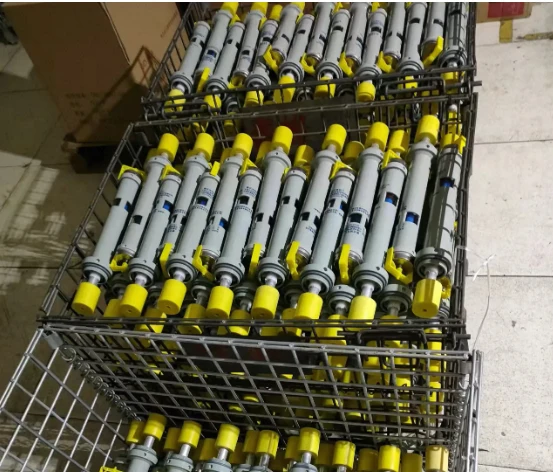
What Is a Float-Type Oil Level Gauge?
Float-type oil level gauges use a simple mechanical design: a float connected to a lever or wire moves a pointer or a switch as the liquid level changes. The float is typically made of a material less dense than the liquid, so it floats on the surface. As the level rises, the float moves upward, and its movement is transmitted via a mechanical linkage to an external display or transmitter. Float-type gauges have been used for decades and are known for their simplicity and low cost.
However, the direct mechanical connection is prone to wear, seal leakage, and accuracy issues in viscous or dirty liquids. They are widely used in applications where cost is the primary concern and the liquid conditions are relatively clean and stable. Common uses include water tanks, fuel storage, and some transformer oil applications. Understanding transformer bushing failure causes helps improve reliability. They can be designed with switches for alarm or pump control.
Side-by-Side Comparison
The table below summarizes the key differences between magnetic and float-type oil level gauges across several dimensions. Each technology has its strengths and trade-offs; the best choice depends on the specific requirements of the application. The table provides a quick overview of their characteristics.
| Dimension | Magnetic Oil Level Gauge | Float-Type Oil Level Gauge |
|---|---|---|
| Working Principle | Uses magnetic coupling between internal float and external indicator | Mechanical linkage from float to pointer or switch |
| Accuracy | Generally high, with clear visual indication | Good but may be affected by liquid density and float friction |
| Durability | High: no moving parts in contact with liquid; resistant to vibration and corrosion | Moderate: moving parts and seals may wear over time |
| Maintenance | Minimal: no seals to replace; float and magnetic assembly are sealed | Periodic: seals and moving parts may require inspection and replacement |
| Suitability for Harsh Conditions | Excellent: works with high temperature, pressure, and corrosive media | Limited: best for clean, stable liquids |
| Cost | Higher initial cost but lower lifetime cost | Lower initial cost, higher maintenance cost over time |
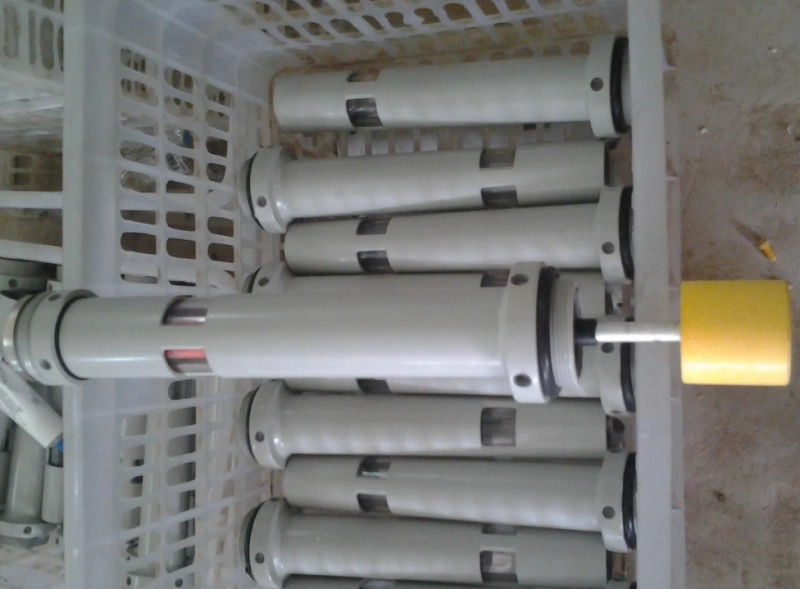
Application Scenarios and Selection Criteria
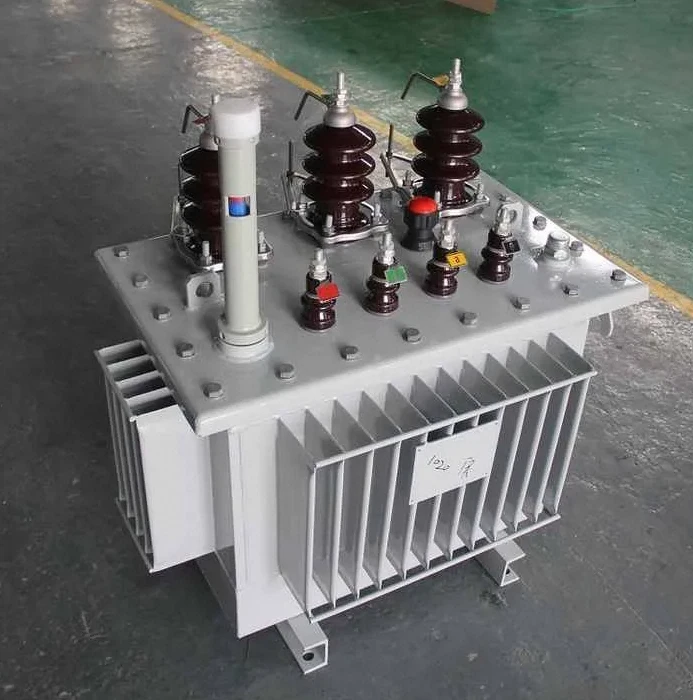
Choosing between a magnetic and a float-type oil level gauge involves considering factors like operating environment, required accuracy, maintenance capability, and budget. Magnetic gauges are often preferred in critical applications such as transformer oil monitoring, where reliability and leak prevention are paramount. They perform well under vibration, temperature extremes, and with corrosive or hazardous liquids. Following a Buchholz relay replacement guide ensures proper maintenance of transformer protection systems.
Float-type gauges are suitable for less demanding applications where cost savings are important and regular maintenance is acceptable. They are also easier to install in existing openings and can be equipped with multiple switches. For new installations, many engineers now lean towards magnetic gauges due to their low maintenance and long service life. However, for retrofits or budget-limited projects, float-type gauges remain a viable option.
Frequently asked questions
Which is more accurate, magnetic or float-type oil level gauge?
Magnetic oil level gauges generally provide higher accuracy because their magnetic coupling eliminates friction and wear that can affect the float-type mechanical linkage. However, both can be accurate when properly maintained.
Can a float-type oil level gauge be used in a transformer oil tank?
Yes, float-type gauges have been traditionally used in transformer applications. However, many modern transformers now favor magnetic gauges due to improved reliability and leak prevention.
Are magnetic oil level gauges suitable for high-temperature liquids?
Yes, magnetic gauges can be designed to withstand high temperatures, making them suitable for many industrial fluids including hot oil.
Luoyang Datang Energy Technology Co., Ltd. is a high-tech enterprise integrating R&D, manufacturing and supply of power equipment such as transformers, new energy components, distribution cabinets and inverters. With technological innovation as the core, we focus on creating high-reliability and high-performance power solutions to serve global customers. With a strict quality control system and international standard certification, we continue to output excellent products and enable customers to build safe and stable power systems.
RELATED POSTS
The Application of HV Disconnect in High Voltage Systems: A Powerful Guardian of Control and Protection

Selection and Technical Trends of Transformers for Photovoltaic Systems: An In-depth Analysis from Engineering Application and Market Perspectives
The Ultimate Guide to Transformer Winding Wire: Types, Applications & Innovations

Beyond the boundaries of electric drive: A journey of discovery with Thyristor Power Module

2N1595 Thyristor: The "Swiss Army Knife" of Power Electronics
