مورد المكونات الإلكترونية | محولات, المحاثات, العاكسون


في عصر يحدده تغير المناخ, تصاعد الطلب على الطاقة, ودفعة عالمية نحو الاستدامة, microgrid technologies have emerged as a cornerstone of the modern energy revolution. These localized power grids are not just an alternative but a transformative solution, offering resilience, كفاءة, and independence. This article explores the latest advancements, real-world applications, and future potential of microgrid systems, positioning them as the backbone of a decentralized energy landscape.
What Are Microgrids? The Foundation of Decentralized Power
أmicrogrid is a localized group of electricity sources and loads that typically operates connected to and synchronous with the traditional wide-area synchronous grid (macrogrid). لكن, it can also disconnect to “island mode” and function autonomously as physical or economic conditions dictate. This dual capability to operate in grid-connected or island mode is its core strength. نموذجيmicrogrid system integrates distributed energy resources (DERs) like solar panels, توربينات الرياح, combined heat and power (CHP) وحدات, and increasingly, advancedأنظمة تخزين طاقة البطارية (بيس).

Key Drivers and Hot Trends in 2024
The adoption ofmicrogrid technology يتسارع, driven by several powerful trends:
- Resilience Against Climate Extremes: With wildfires, storms, and extreme weather events causing prolonged outages in traditional grids, microgrids for resilience have become a critical investment for communities, campuses, and critical facilities like hospitals and military bases. They provide a reliable قوة احتياطية source when the main grid fails.
- The Renewable Energy Integration Boom: As the world transitions to clean energy, شبكات صغيرة are the ideal platform to manage the intermittency of solar and wind power. They balance supply and demand locally, storing excess renewable generation in batteries for use when needed, thus maximizing the use of الطاقة النظيفة.
- Energy Independence and Security: Geopolitical instability and fluctuating energy prices have heightened the desire for energy independence. شبكات صغيرة empower businesses, universities, and even entire communities to generate their own power, reduce costs, and shield themselves from external price shocks.
- Digitalization and AI Optimization: The modern microgrid is a smart grid. Leveraging Artificial Intelligence (منظمة العفو الدولية) and Internet of Things (إنترنت الأشياء) أجهزة الاستشعار, these systems can predict energy demand, optimize dispatch from various sources in real-time, and perform self-diagnostics, dramatically improving efficiency and reducing operational costs.
Core Components of a Modern Microgrid
Understanding the architecture is key to appreciating its value. Every advancedmicrogrid system comprises:
- Distributed Generation: The on-site power sources, predominantly الطاقة الشمسية, رياح, natural gas generators, or fuel cells.
- تخزين الطاقة: The heart of modern flexibility. تخزين البطارية, particularly lithium-ion systems, is essential for smoothing out renewable generation and providing uninterrupted power during islanding.
- Intelligent Control Systems: ال “brain” of the operation. هذا microgrid controller manages the flow of electricity, ensuring stability, كفاءة, and seamless transitions between grid-connected and islanded modes.
Real-World Applications: From Theory to Practice
- Community Microgrids: Towns are deploying شبكات صغيرة to enhance public safety and ensure continuous power for emergency services and critical infrastructure during grid outages.
- تجاري & صناعي (ج&أنا): Large energy consumers like factories, مراكز البيانات, and office parks use شبكات صغيرة to reduce energy costs through peak shaving, ensure uptime, and meet corporate sustainability (ESG) goals.
- Remote and Off-Grid Areas: For isolated communities or islands dependent on expensive and polluting diesel generators, renewable energy microgrids offer a cost-effective and sustainable alternative.
- University Campuses: Many universities worldwide operate sophisticated campus microgrids that provide resilient power, serve as living laboratories for research, and demonstrate a commitment to sustainability.
The Future is Modular and Interconnected
The future ofmicrogrid technology lies in standardization and scalability. The concept of “plug-and-play microgrids,” with pre-engineered, modular components, is gaining traction, reducing complexity and cost. بالإضافة إلى, the evolution towards interconnectedmicrogrid networks—often called “grids of microgrids”—promises to create a more robust, مرن, and efficient national energy infrastructure.
خاتمة: The Path to a Sustainable and Resilient Energy Future
Microgrid technologies are no longer a niche concept but a mainstream solution addressing the most pressing energy challenges of our time. By enabling greater integration of renewables, ensuring unparalleled reliability, and granting energy autonomy, microgrids are paving the way for a smarter, greener, and more resilient power system. For any organization or community serious about its energy future, الاستثمار فيmicrogrid technology is a strategic imperative.
المشاركات ذات الصلة

يطلق المصنعون الصينيون محولات عزل متعددة الوظائف, تستخدم على نطاق واسع في مختلف المجالات
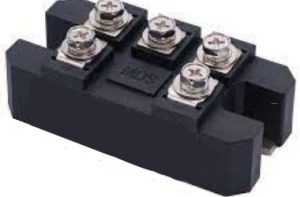
الكشف عن وحدة الصمام الثنائي المعدل: تعريف, سمات, دليل التطبيق والاستخدام الآمن

تكنولوجيا الاختراق: التطبيق المبتكر لقواطع الدائرة الفراغية في مجال تعويض القدرة التفاعلية
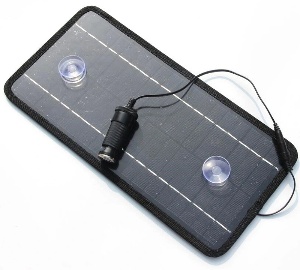
تسخير الشمس: دليلك النهائي للبطاريات الشمسية في 2024
تظهر البيانات أن استخدام الغاز الطبيعي والفحم لتوليد الطاقة في المملكة المتحدة هو في أدنى مستوى له منذ ذلك الحين 1957