Pembekal Komponen Elektronik | Transformers, Induktor, Penyongsang


Dalam era yang ditakrifkan oleh perubahan iklim, permintaan tenaga yang semakin meningkat, dan dorongan global untuk kemampanan, teknologi microgrid telah muncul sebagai asas revolusi tenaga moden. Grid kuasa setempat ini bukan sekadar alternatif tetapi penyelesaian transformatif, menawarkan daya tahan, kecekapan, dan kemerdekaan. Artikel ini meneroka kemajuan terkini, aplikasi dunia sebenar, dan potensi masa depan sistem mikrogrid, meletakkan mereka sebagai tulang belakang landskap tenaga terdesentralisasi.
Apakah Microgrids? Asas Kuasa Terpencar
Amikrogrid ialah kumpulan sumber dan beban elektrik setempat yang biasanya beroperasi disambungkan dan segerak dengan grid segerak kawasan luas tradisional (makrogrid). Namun begitu, ia juga boleh memutuskan sambungan ke “mod pulau” dan berfungsi secara autonomi seperti yang ditentukan oleh keadaan fizikal atau ekonomi. Keupayaan dwi ini untuk beroperasi dalam mod bersambung grid atau pulau adalah kekuatan terasnya. Satu tipikalsistem mikrogrid mengintegrasikan sumber tenaga teragih (DER) seperti panel solar, turbin angin, gabungan haba dan kuasa (CHP) unit, dan semakin, majusistem penyimpanan tenaga bateri (BESS).

Pemacu Utama dan Trend Hangat dalam 2024
Penerimaan daripadateknologi microgrid sedang memecut, didorong oleh beberapa trend yang kuat:
- Ketahanan Menentang Keterlaluan Iklim: Dengan kebakaran hutan, ribut, dan kejadian cuaca melampau menyebabkan gangguan berpanjangan dalam grid tradisional, mikrogrid untuk daya tahan telah menjadi pelaburan kritikal bagi masyarakat, kampus, dan kemudahan kritikal seperti hospital dan pangkalan tentera. Mereka menyediakan yang boleh dipercayai kuasa sandaran sumber apabila grid utama gagal.
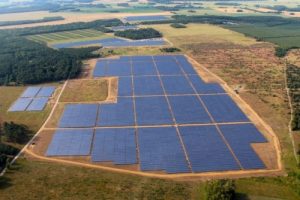
- Ledakan Integrasi Tenaga Boleh Diperbaharui: Ketika dunia beralih kepada tenaga bersih, mikrogrid adalah platform yang ideal untuk menguruskan intermittency tenaga suria dan angin. Mereka mengimbangi bekalan dan permintaan secara tempatan, menyimpan lebihan penjanaan boleh diperbaharui dalam bateri untuk digunakan apabila diperlukan, sekali gus memaksimumkan penggunaan tenaga bersih.
- Kebebasan dan Keselamatan Tenaga: Ketidakstabilan geopolitik dan harga tenaga yang turun naik telah meningkatkan keinginan untuk kemerdekaan tenaga. Microgrids memperkasakan perniagaan, universiti, dan juga seluruh masyarakat untuk menjana kuasa mereka sendiri, mengurangkan kos, dan melindungi diri mereka daripada kejutan harga luaran.
- Pendigitalan dan Pengoptimuman AI: Yang moden mikrogrid ialah grid pintar. Memanfaatkan Kecerdasan Buatan (AI) dan Internet Perkara (IoT) penderia, sistem ini boleh meramalkan permintaan tenaga, mengoptimumkan penghantaran daripada pelbagai sumber dalam masa nyata, dan melakukan diagnosis kendiri, meningkatkan kecekapan secara mendadak dan mengurangkan kos operasi.
Komponen Teras Mikrogrid Moden
Memahami seni bina adalah kunci untuk menghargai nilainya. Setiap majusistem mikrogrid terdiri:
- Generasi Teragih: Sumber kuasa di tapak, kebanyakannya tenaga suria, angin, penjana gas asli, atau sel bahan api.
- Penyimpanan Tenaga: Jantung fleksibiliti moden. Penyimpanan bateri, terutamanya sistem litium-ion, adalah penting untuk melicinkan penjanaan boleh diperbaharui dan menyediakan kuasa tanpa gangguan semasa pulau.
- Sistem Kawalan Pintar: The “otak” daripada operasi tersebut. ini pengawal mikrogrid menguruskan aliran elektrik, memastikan kestabilan, kecekapan, dan peralihan lancar antara mod bersambung grid dan berpulau.
Aplikasi Dunia Sebenar: Dari Teori kepada Amalan
- Microgrid Komuniti: Pekan sedang mengerahkan mikrogrid untuk meningkatkan keselamatan awam dan memastikan kuasa berterusan untuk perkhidmatan kecemasan dan infrastruktur kritikal semasa gangguan grid.
- Komersil & Perindustrian (C&saya): Pengguna tenaga besar seperti kilang, pusat data, dan penggunaan taman pejabat mikrogrid untuk mengurangkan kos tenaga melalui pencukuran puncak, memastikan masa beroperasi, dan memenuhi kemampanan korporat (ESG) matlamat.
- Kawasan Jauh dan Luar Grid: Untuk komuniti atau pulau terpencil yang bergantung kepada penjana diesel yang mahal dan mencemarkan, mikrogrid tenaga boleh diperbaharui menawarkan alternatif yang kos efektif dan mampan.
- Kampus Universiti: Banyak universiti di seluruh dunia beroperasi dengan canggih grid mikro kampus yang memberikan kuasa berdaya tahan, berfungsi sebagai makmal hidup untuk penyelidikan, dan menunjukkan komitmen terhadap kemampanan.
Masa Depan adalah Modular dan Saling Berkait
masa depanteknologi microgrid terletak pada penyeragaman dan skalabilitas. Konsep “mikrogrid pasang dan main,” dengan pra-kejuruteraan, komponen modular, semakin mendapat tarikan, mengurangkan kerumitan dan kos. Tambahan pula, evolusi ke arah saling berkaitanrangkaian mikrogrid-sering dipanggil “grid mikrogrid”—berjanji untuk mencipta yang lebih mantap, fleksibel, dan infrastruktur tenaga negara yang cekap.
Kesimpulan: Laluan ke Masa Depan Tenaga yang Mampan dan Berdaya tahan
Teknologi mikrogrid bukan lagi konsep khusus tetapi penyelesaian arus perdana menangani cabaran tenaga yang paling mendesak pada zaman kita. Dengan membolehkan integrasi yang lebih besar bagi tenaga boleh diperbaharui, memastikan kebolehpercayaan yang tiada tandingannya, dan memberikan autonomi tenaga, microgrids membuka jalan ke arah yang lebih bijak, lebih hijau, dan sistem kuasa yang lebih berdaya tahan. Bagi mana-mana organisasi atau komuniti yang serius tentang masa depan tenaganya, melabur dalamteknologi microgrid adalah satu kemestian strategik.
JAWATAN BERKAITAN

Kemalangan keselamatan yang kerap berlaku dalam transformer voltan rendah: kepentingan penyelenggaraan dan ujian

Transformer Dipasang Pad: Penyelesaian Pengagihan Kuasa Bawah Tanah yang Boleh Dipercayai
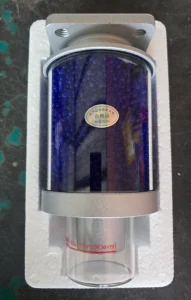
Bagaimana Silika Gel Breathers Melindungi Transformer: Panduan Lengkap

Prospek aplikasi Diod Epitaxial Pemulihan Pantas dalam bidang baru muncul seperti tenaga baharu, kenderaan elektrik, dan pembuatan pintar

Huawei Keluarkan Teratas 10 Trend dalam Fotovoltaik Pintar untuk 2024