Electronic Components Supplier | Transformers, Inductors, Inverters


Why Dry Type Transformers Are Dominating Modern Power Systems
In the era of smart grids, renewable energy, and urban electrification, the demand for safer, low-maintenance, and environmentally friendly transformers is rapidly increasing. The Dry Type Transformer has emerged as a key solution for applications where fire safety, indoor installation, and sustainability are critical.
Unlike traditional oil-filled transformers, dry type transformers use air or solid insulation systems, eliminating the risk of oil leakage and fire hazards. This makes them ideal for commercial buildings, hospitals, data centers, renewable energy plants, and industrial facilities.
1. What is a Dry Type Transformer?
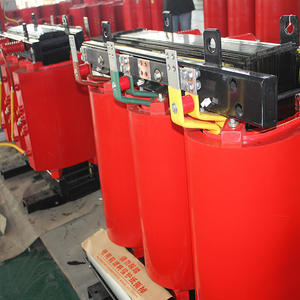
A Dry Type Transformer is an electrical transformer that uses air or resin-based insulation instead of liquid dielectric fluids such as oil.
Main Types of Dry Type Transformers
| Type | Insulation Material | Key Features | Typical Applications |
|---|---|---|---|
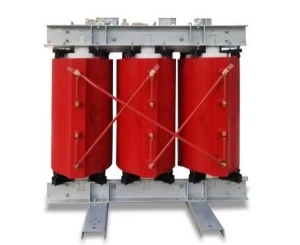
| Cast Resin Transformer | Epoxy resin | High moisture resistance, strong mechanical strength | Renewable energy, industrial plants |
| Vacuum Pressure Impregnated (VPI) | Polyester resin | Cost-effective, good heat dissipation | Commercial buildings |
| Vacuum Pressure Encapsulated (VPE) | Epoxy coating | Improved environmental protection | Harsh environments |
2. Key Advantages Over Oil-Filled Transformers
2.1 Safety First: Fire and Explosion Prevention
Dry type transformers are self-extinguishing and do not contain flammable oil. This significantly reduces fire risks in high-density urban environments.
2.2 Environmental Sustainability
- No oil leakage
- Reduced environmental contamination
- Compliant with global green standards
2.3 Low Maintenance
Unlike oil-filled transformers, dry type units do not require:
- Oil testing
- Oil replacement
- Leak monitoring
2.4 Indoor Installation Capability
They can be safely installed inside buildings, reducing:
- Cable costs
- Transmission losses
3. Technical Design and Working Principle
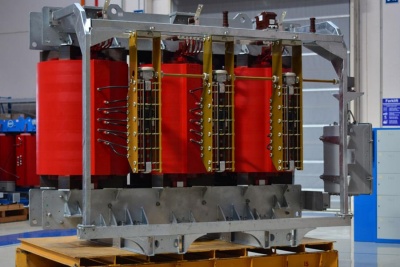
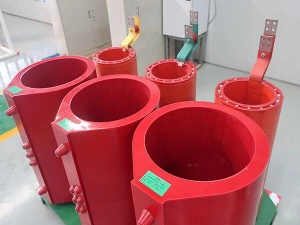
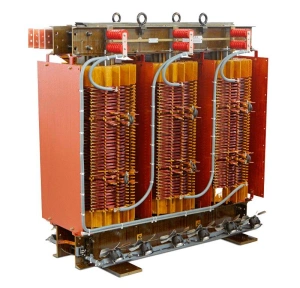
Dry type transformers operate based on electromagnetic induction:
- Primary winding receives input voltage
- Magnetic flux is generated in the core
- Secondary winding produces output voltage
Core Components
| Component | Function |
|---|---|
| Core | Magnetic flux path (silicon steel laminations) |
| Windings | Energy transfer between circuits |
| Insulation | Electrical isolation |
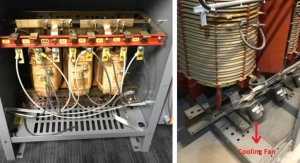
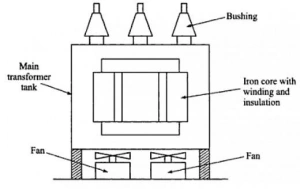
| Cooling System | Heat dissipation (air natural or forced air) |
4. Cooling Methods: AN vs AF
Cooling is critical for transformer efficiency and lifespan.
| Cooling Method | Description | Application |
|---|---|---|
| AN (Air Natural) | Natural air convection | Small/medium loads |
| AF (Air Forced) | Fans improve cooling | High-load operations |
5. Application Scenarios Driving Market Growth
5.1 Renewable Energy Integration
Dry type transformers are widely used in:
- Solar PV plants
- Wind farms
- Energy storage systems
5.2 Data Centers and AI Infrastructure
With the rise of AI and cloud computing:
- High reliability is required
- Fire safety is critical
5.3 Urban Infrastructure
Ideal for:
- Airports
- Hospitals
- Subway systems
- High-rise buildings
6. Dry Type vs Oil-Filled Transformer: Comparison
| Parameter | Dry Type Transformer | Oil-Filled Transformer |
|---|---|---|
| Fire Risk | Very low | High |
| Maintenance | Low | High |
| Installation | Indoor | Outdoor preferred |
| Environmental Impact | Minimal | Potential oil leakage |
| Cost | Higher initial | Lower initial |
7. Market Trends and Future Outlook (2025–2030)
- Global push toward carbon neutrality
- Rapid expansion of renewable energy projects
- Growth in smart cities and electrification
Dry type transformers are expected to grow at a CAGR of over 6% globally.
The Dry Type Transformer is no longer just an alternative—it is becoming the standard choice for modern power distribution systems. With advantages in safety, sustainability, and efficiency, it plays a crucial role in the future of global energy infrastructure.
Luoyang Datang Energy Technology Co., Ltd. is a high-tech enterprise integrating R&D, manufacturing and supply of power equipment such as transformers, new energy components, distribution cabinets and inverters. With technological innovation as the core, we focus on creating high-reliability and high-performance power solutions to serve global customers. With a strict quality control system and international standard certification, we continue to output excellent products and enable customers to build safe and stable power systems.
RELATED POSTS

Oil-immersed transformer: the guardian of stable electricity in the field of transportation

The perfect collaboration of diodes and heat sinks – the art of thermal management

Home Energy System Power Inverter WVC-300: A leader in smart home energy solutions
thyristor Power Module: Leading the future of power electronics conversion
Selection and Procurement Guide for Oil Immersed Transformers: Technical Parameters, Loss Standards, and Export Points