ইলেকট্রনিক উপাদান সরবরাহকারী | ট্রান্সফরমার, ইন্ডাক্টর, ইনভার্টার


ভূমিকা
In an era defined by a relentless demand for electricity—from powering massive data centers to charging the next generation of EVs—the stability and efficiency of our electrical grid are more critical than ever. While flashy technologies like smart meters and solar panels grab headlines, the true workhorses operating silently in the background are transformers. বিশেষভাবে, দপাওয়ার ট্রান্সফরমার and theবিতরণ ট্রান্সফরমার form the fundamental backbone of electrical transmission and distribution. Understanding their distinct roles, evolving technologies, and how they are adapting to modern challenges is key to appreciating the engineering marvel that delivers power to our fingertips. This article delves deep into the world of these essential components, breaking down their differences, functions, and future.

Power transformer
1. Understanding the Core Function: What is a Transformer?
Before distinguishing between types, it’s crucial to grasp the basic principle that all transformers share. কট্রান্সফরমার is a static electrical device that transfers electrical energy between two or more circuits through electromagnetic induction. Its primary function is toধাপ উপরে (increase) বাপদত্যাগ (decrease) ভোল্টেজ মাত্রা.
This voltage transformation is paramount for efficient power delivery. High voltage is used for long-distance transmission to minimize energy loss, while lower, safer voltages are required for end-use consumption in homes and businesses. প্রতিটিপাওয়ার ট্রান্সফরমার and everyবিতরণ ট্রান্সফরমার operates on this same core principle but is optimized for vastly different points in the energy journey.
2. পাওয়ার ট্রান্সফরমার: The Long-Distance Hauler
পাওয়ার ট্রান্সফরমার are the giants of the electrical grid. They are primarily deployed at generating stations and transmission substations, handling the mammoth task of bulk power transfer across vast distances.
2.1 Key Characteristics of a Power Transformer
- High Voltage Rating: Designed for extremely high voltages, typically from 33kV up to 800kV or even higher.
- Large Size and Capacity: These are massive units, often weighing hundreds of tons, with power ratings usually exceeding 200 এমভিএ (মেগা ভোল্ট-অ্যাম্পিয়ার).
- অবস্থান: Housed in secure generating stations and transmission substations.
- কর্মদক্ষতা: Operates at peak efficiency at or near full load. They are designed for maximum efficiency during high-load conditions, which is their primary operating state.
2.2 The Critical Role of the Power Transformer
The journey of electricity begins at a power plant, where it is generated at a medium voltage level. কপাওয়ার ট্রান্সফরমার immediatelysteps up this voltage to an exceptionally high level for transmission. This high-voltage transmission is crucial because it drastically reduces the current (I²R losses), minimizing energy lost as heat over long-distance power lines. This makes the entire grid more economical and environmentally friendly.
3. ডিস্ট্রিবিউশন ট্রান্সফরমার: The Final Mile Specialist
If theপাওয়ার ট্রান্সফরমার is the long-haul trucker, দবিতরণ ট্রান্সফরমার is the local delivery van. It performs the final voltage transformation in the electrical power distribution system, directly connecting the high-voltage distribution lines to the end-consumer.
3.1 Key Characteristics of a Distribution Transformer
- Lower Voltage Rating: Steps down the primary distribution voltage (typically 11kV or 33kV) to a utilization voltage (যেমন, 240V/120V for homes, 480V for industries).
- Smaller Size and Capacity: Significantly smaller than power transformers. Ratings are usually up to 2,500 kVA and they are commonly seen on utility poles (খুঁটি-মাউন্ট করা) or pad-mounted on the ground near buildings.
- Load Cycle: Operates 24/7 but is designed for excellent efficiency at low loads, সাধারণত 50-70% of its full rating, because consumer demand fluctuates constantly.
- Direct Consumer Connection: This is the transformer that ultimately powers your home, office, and local supermarket.
3.2 Types and Applications of Distribution Transformers
3.2.1 Pole-Mounted Distribution Transformer
The most recognizable type, mounted on wooden or concrete utility poles. They are used for supplying single-phase or three-phase power to residential and rural areas.
3.2.2 Pad-Mounted Distribution Transformer
Housed in a locked, ground-level metal cabinet, these are used in underground distribution systems for residential subdivisions, বাণিজ্যিক এলাকা, and hospitals for safety and aesthetic reasons.
3.2.3 Underground Distribution Transformer
Designed to be completely submerged underground, used in dense urban areas where space is limited and aesthetics are a priority.
4. Key Differences: পাওয়ার ট্রান্সফরমার বনাম. ডিস্ট্রিবিউশন ট্রান্সফরমার
| বৈশিষ্ট্য | পাওয়ার ট্রান্সফরমার | ডিস্ট্রিবিউশন ট্রান্সফরমার |
|---|---|---|
| ফাংশন | Step-up voltage for transmission | Step-down voltage for distribution |
| Voltage Level | Very High (≥ 33 কেভি) | Medium to Low (≤ 33 কেভি) |
| আকার & রেটিং | বড়, > 200 এমভিএ | ছোট, ≤ 2.5 এমভিএ |
| কর্মদক্ষতা | Maximum at or near full load | Maximum at 50-70% লোড |
| আবেদন | Power plants, transmission substations | Pole-mounted, pad-mounted for end-users |
| Load Flow | Operates consistently at full load | Operates with highly variable load |
5. Hot Topics and Future Trends: The Smart Transformer Revolution
The humble transformer is not immune to technological disruption. The rise of the smart grid and renewable energy is driving innovation in bothপাওয়ার ট্রান্সফরমার এবংবিতরণ ট্রান্সফরমার প্রযুক্তি.
- Integration of Renewable Energy: The fluctuating nature of solar and wind power requires transformers to handle bidirectional power flow and more variable loads, pushing the development of more robust and adaptive designs.
- স্মার্ট ট্রান্সফরমার: Especially at the বিতরণ ট্রান্সফরমার স্তর, new units are being embedded with sensors and communication modules. এগুলো “smart” transformers can monitor their own health (ভবিষ্যদ্বাণীমূলক রক্ষণাবেক্ষণ), regulate voltage in real-time, and provide valuable data to grid operators, enhancing overall grid resilience.
- Amorphous Metal Core Transformers: A significant leap in efficiency for বিতরণ ট্রান্সফরমার. Cores made from amorphous metal can reduce core (no-load) losses by up to 70-80% compared to traditional silicon steel cores, leading to massive energy savings and lower carbon emissions.
- Eco-Friendly Fluids: There is a growing shift away from mineral oil to biodegradable and less flammable insulating fluids like natural esters (যেমন, soybean oil) উভয়ের জন্য ক্ষমতা এবং বিতরণ ট্রান্সফরমার, especially in sensitive environmental and indoor applications.
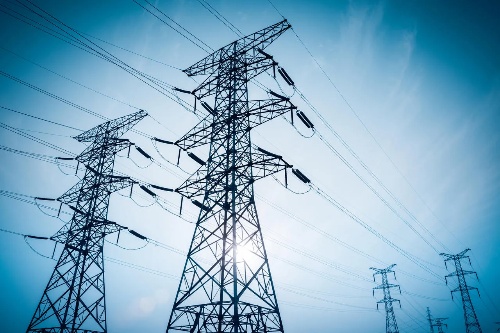
High voltage power grid
উপসংহার
The seamless flow of electricity that modern life depends on is a carefully orchestrated ballet of voltage transformation. দপাওয়ার ট্রান্সফরমার initiates this process, enabling efficient cross-country transmission, while theবিতরণ ট্রান্সফরমার completes it, delivering safe, usable power to our communities. They are complementary, indispensable, and evolving. As the grid becomes smarter and greener, so too will these unsung heroes, continuing to serve as the robust and intelligent foundation of our electrified world.
লুওয়াং দাতাং এনার্জি টেকনোলজি কোং,লিমিটেড. R একীভূত একটি উচ্চ প্রযুক্তির এন্টারপ্রাইজ&ডি, ট্রান্সফরমারের মতো বিদ্যুৎ সরঞ্জাম উত্পাদন এবং সরবরাহ, নতুন শক্তি উপাদান, বিতরণ ক্যাবিনেট এবং ইনভার্টার. মূল হিসাবে প্রযুক্তিগত উদ্ভাবন সঙ্গে, আমরা বিশ্বব্যাপী গ্রাহকদের পরিবেশন করার জন্য উচ্চ-নির্ভরযোগ্যতা এবং উচ্চ-কর্মক্ষমতা পাওয়ার সমাধান তৈরিতে ফোকাস করি. একটি কঠোর মান নিয়ন্ত্রণ ব্যবস্থা এবং আন্তর্জাতিক মানের সার্টিফিকেশন সহ, আমরা চমৎকার পণ্যের আউটপুট চালিয়ে যাচ্ছি এবং গ্রাহকদের নিরাপদ এবং স্থিতিশীল পাওয়ার সিস্টেম তৈরি করতে সক্ষম করি.
আপনার কোন প্রশ্ন থাকলে, আমাদের সাথে যোগাযোগ বিনা দ্বিধায় দয়া করে!
টেলিফোন: 0086-173 9637 0277
WeChat: 0086-173 9637 0277
হোয়াটসঅ্যাপ: 0086-173 9637 0277
ইমেইল: sales@pddn.com
সম্পর্কিত পোস্ট

হোম এনার্জি সিস্টেম পাওয়ার ইনভার্টার WVC-2000 হোম এনার্জি ক্ষেত্রে একটি নতুন প্রবণতাকে নেতৃত্ব দেয়
ট্রান্সফরমারের প্রযুক্তিগত বিবর্তন এবং শক্তি স্টোরেজ সিস্টেমের একীকরণ: ভবিষ্যতের পাওয়ার নেটওয়ার্কের মূল

গ্রিড-টাইড পিভি ইনভার্টার: সৌর চার্জ করার জন্য একটি শক্তিশালী ইঞ্জিন

দ্রুত পুনরুদ্ধার ডায়োড ডিভাইস নির্মাণে ব্যবহৃত নতুন উপকরণ: কিভাবে ডিভাইসের কর্মক্ষমতা উন্নত করা যায়
ফটোভোলটাইক পাওয়ার জেনারেশন সিস্টেমে ট্রান্সফরমার প্রযুক্তির বিবর্তন: নতুন পাওয়ার সিস্টেমের প্রসঙ্গে মূল সরঞ্জামগুলির একটি বিশ্লেষণ