


Leverandør af elektroniske komponenter | Transformere, Induktorer, Invertere


Indledning
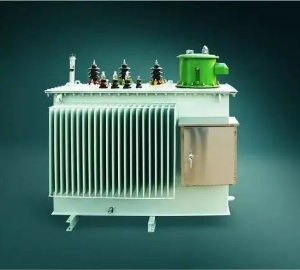
De33kV/11kV transformer serves as a critical component in medium-voltage power distribution networks, enabling efficient voltage conversion between transmission and distribution levels. These transformers play a pivotal role inindustrial power systems, renewable energy integration, og byelektrificering. This comprehensive guide explores theirdesign principles, technical specifications, applikationer, and emerging technologies to help engineers and procurement specialists make informed decisions.
Technical Specifications of 33kV/11kV Transformers
Core Design Features
Spændingsforhold: 33kV primary to 11kV secondary (standard 3:1 forhold)
Power Rating: Typically 1MVA to 30MVA range
Winding Configuration: Delta (Δ) primary – Star (Y) secondary
Impedance: 6-10% to limit fault currents
Cooling Methods: ONAN (Oil-Natural Air-Natural) eller KNAN (Forced Air)
Effektivitet & Losses
Tab uden belastning: 0.5-1.2% of rated power
Lasttab: 4-8% ved fuld last
Efficiency class: Meets IEC 60076-20 Tier 2 standarder

Key Applications in Power Systems
1. Primary Distribution Substations
Interface between33kV transmission lines og11kV distribution feeders
Serveindustriparker oglarge commercial complexes
2. Renewable Energy Integration
Step-downwind farm collector voltages (33kV) to distribution level
Interface forsolar PV plants with grid connections
3. Urban Power Networks
Critical forcity ring main units (RMU'er)
Enableunderground cable networks in metro areas
4. Industrial Plants
Magttunge maskiner in steel, cement, and chemical industries
Providededicated supply for large motor loads
Selection Criteria for Optimal Performance
1. Load Characteristics Analysis
Continuous vs intermittent load profiles
Harmonic content from VFDs or arc furnaces
2. Protection Requirements
Buchholz stafet for oil-filled units
Differential protection for >5MVA transformers
Surge arresters for lightning protection
3. Special Design Considerations
Tropicalized versions for high humidity
Sealed tanks for flood-prone areas
Low-noise designs for urban installations
Innovations in 33kV/11kV Transformer Technology
1. Smart Monitoring Systems
Online DGA (Dissolved Gas Analysis)
Winding temperature sensors with IoT connectivity
Partial discharge monitoring
2. Advanced Materials
Amorfe metalkerner reducing no-load losses by 70%
High-temperature insulation (Class C 220°C)
Ester-based fluids for fire safety
3. Compact Designs
GIS-integrated transformers for space-constrained substations
Modular plug-and-play units for rapid deployment
Opretholdelse & Life Extension Strategies
Preventive Maintenance Checklist
Annual oil testing (dielektrisk styrke, fugtindhold)
Termisk billeddannelse of bushings and connections
Tightness check of core clamping
End-of-Life Indicators
Furan analysis for paper insulation aging
Increased gas generation in DGA tests
Rising no-load losses

Markedstendenser & Procurement Insights
Global Demand Drivers
Grid modernization projects in developing countries
RE integration requiring new substations
Urbanization increasing underground distribution
Pricing Factors
Copper vs aluminum windings cost difference
Efficiency class (Tier 1 vs Tier 2)
Customization requirements
Konklusion
De33kV/11kV transformer remains indispensable in modern power networks, bridging transmission and distribution voltage levels. With advancements insmart monitoring, high-efficiency designs, and compact configurations, these transformers are evolving to meetgrid modernization and energy transition challenges.
RELATEREDE OPSLAG
Advantages and applications of high-temperature thyristors in power systems

Intelligent module for controlling thyristor——Phase Control Thyristor Module
Organisk lysdiode (OLED): Fremtiden for displayteknologi

Blæserkølet køleplade: Førende inden for effektive køleløsninger
Special insulators for low-voltage transformers promote safety upgrades in the power industry
