Fournisseur de composants électroniques | Transformateurs, Inducteurs, Onduleurs


La décision de passer à l’énergie solaire n’est qu’un début. Le prochain choix crucial consiste à sélectionner le type de système adapté à vos besoins énergétiques et à votre style de vie.. Understanding the difference betweenoff-grid solar systems eton-grid solar systems is essential for any homeowner or business looking to harness the sun’s power. This definitive guide breaks down everything you need to know, helping you make an informed decision that maximizes your investment and energy independence.
What is an On-Grid Solar System? Tied to the Grid
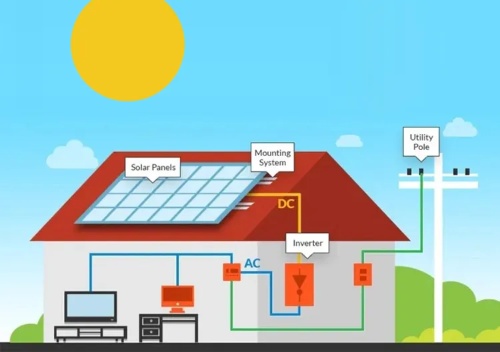
Unsystème solaire en réseau, also known as a grid-tied system, is the most common and widely installed type ofsystème d'énergie solaire. It is directly connected to the public utility grid. Here’s how it works:
- Energy Flow: Your panneaux solaires generate DC electricity, which an inverter converts to AC power for your home. This electricity powers your appliances first. Any excess energy is fed back into the utility grid.
- Net Metering: This process is called net metering. Your electric meter literally spins backward, and your utility company credits you for the surplus power you supply. At night or on cloudy days, you draw power from the grid, using these credits.
- Key Consideration: A critical feature of a standard système solaire en réseau is that it shuts off during a power outage. This is a safety requirement to prevent sending electricity back to the grid and endangering utility workers.
Idéal pour: Homeowners and businesses with reliable grid access who want to significantly reduce electricity bills with a lower upfront investment.
What is an Off-Grid Solar System? Complete Energy Independence
Unoff-grid solar system is a self-sufficient energy solution that operates completely independently from the utility grid. This option is perfect for remote cabins, rural properties, or anyone seeking total energy autonomy.
- Energy Storage is Key: The defining component of an off-grid solar system est le solar battery bank. Since there is no grid connection, all the solar energy you generate must be stored for use when the sun isn’t shining.
- Backup Power: These systems require a backup generator (often propane or diesel) and a larger array of panneaux solaires to ensure a consistent power supply through periods of bad weather.
- System Sizing: Properly sizing an off-grid system is crucial. It requires a detailed audit of your energy consumption to ensure the stockage de la batterie capacity and solar array can meet your daily needs.
Idéal pour: Remote locations without grid access or individuals determined to achieve complete energy self-sufficiency, regardless of cost.
Systèmes hybrides: The Best of Both Worlds?
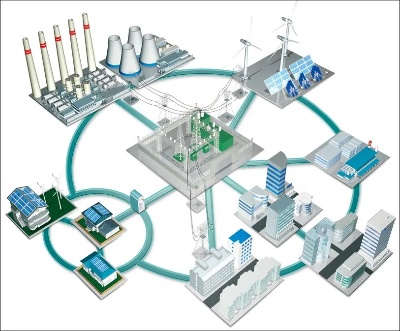
The hottest trend in 2024 is the rise ofhybrid solar systems. Aussi connu sous le nom “solar-plus-storage” systèmes, they combine the reliability of the grid with the resilience of battery backup.
UNhybrid system is essentially ansystème solaire en réseau with the added capability ofstockage de batterie solaire. You can still benefit from net metering, but your stored energy can power essential loads during a grid outage. This offers a perfect middle ground for those seeking security without forgoing the financial benefits of being grid-connected.
Key Differences: Hors réseau vs. On-Grid Solar
| Fonctionnalité | On-Grid Solar System | Off-Grid Solar System |
|---|---|---|
| Connection to Grid | Oui | Non |
| Power During Outage | Non (unless hybrid with battery) | Oui |
| Stockage d'énergie | Not required (optional for hybrid) | Required (large battery bank) |
| Upfront Cost | Inférieur | Significantly Higher |
| Entretien | Inférieur | Plus haut (piles & generator) |
| Energy Reliability | Haut (grid as backup) | Dependent on sun & system size |
Making Your Choice: Factors to Consider
Your decision between anoff-grid and on-grid solar system dépend de plusieurs facteurs:
- Location & Grid Access: Is the utility grid reliable and easily accessible?
- Budget: Off-grid solar systems have a much higher initial cost due to the extensive stockage de la batterie requis.
- Energy Goals: Do you want to save money or achieve total independence from the grid?
- Reliability Needs: How critical is it to have power during a grid outage?
For most urban and suburban dwellers, anon-grid or hybrid solar system is the most practical and cost-effective choice. For those in remote areas, off-grid solar is the only path to modern electricity.
Conclusion: Power Your Future Your Way
The choice betweenoff-grid and on-grid solar systems defines your energy journey.On-grid systems offer a affordable way to slash bills and reduce your carbon footprint.Off-grid systems provide ultimate freedom and independence at a premium. The innovativehybrid system is becoming the gold standard, blending the best of both worlds for security and savings.
Ready to explore your options? Consult with a certified solar installer to design the perfect system—whether off-grid, on-grid, or hybrid—for your unique needs.
ARTICLES CONNEXES
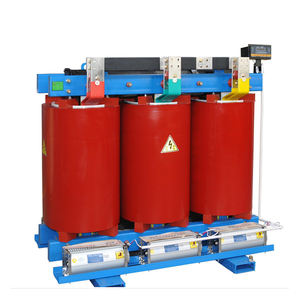
Analyse technique complète des transformateurs de type sec: Principes structurels, Avantages en termes de performances, et tendances des applications (2026 Edition)

Onduleur de liaison au réseau solaire: L'équipement de base du système de production d'énergie solaire

Thyristor BT169: "Smart Switches" pour l'électronique de puissance

Qu'est-ce qu'un transformateur immergé dans l'huile?
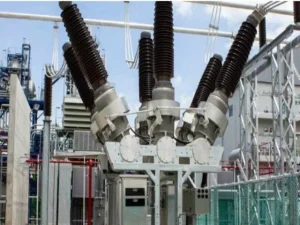
Pourquoi les bagues de transformateur échouent: Causes courantes et comment prévenir des dommages coûteux