Fournisseur de composants électroniques | Transformateurs, Inducteurs, Onduleurs


Petits transformateurs: Des centrales compactes dans l’électronique moderne
Introduction
Transformers are essential components in electrical and electronic systems, permettant une conversion de tension efficace, isolement, et transmission du signal. While large transformers are commonly used in power distribution, small transformers play a critical role in consumer electronics, télécommunications, and low-power applications. This article explores the functions, genres, and applications of small transformers in modern technology.
What is a Small Transformer?
UNsmall transformer is a compact version of a traditional transformer, designed to operate at lower power levels (typically ranging from milliwatts to a few hundred watts). These devices maintain the same fundamental principle of electromagnetic induction but are optimized for size, efficacité, and integration into portable and miniaturized circuits.
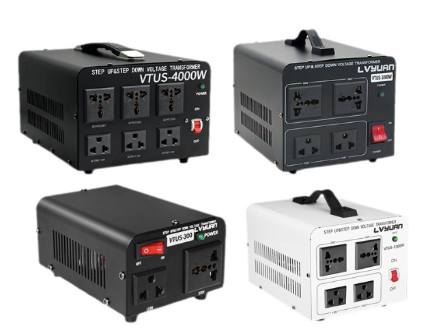
Key Characteristics:
Compact size (often surface-mountable or embedded in PCBs)
Low power handling (suitable for electronics rather than grid power)
Haute efficacité (minimal energy loss in conversion)
Wide frequency range (used in both power supplies and signal processing)
Types of Small Transformers
Small transformers can be categorized based on their applications:
Transformateurs de puissance
Used in AC/DC adapters, chargers, et alimentations.
Exemple: Step-down transformers in phone chargers.
Audio Transformers
Isolate and match impedance in audio equipment.
Found in amplifiers, microphones, and speakers.
RF (Radio Frequency) Transformateurs
Used in communication devices for impedance matching and signal coupling.
Common in radios, antennas, and wireless systems.
Pulse Transformers
Transmit digital signals in circuits (par ex., Ethernet, gate drivers).
Provide isolation in switching power supplies.
Transformateurs de courant (CT)
Measure AC current in small-scale energy monitoring systems.
Applications of Small Transformers
Due to their versatility, small transformers are found in numerous devices:
Consumer Electronics (ordinateurs portables, téléphones intelligents, LED drivers)
Dispositifs médicaux (isolated power supplies in patient monitors)
Automatisation industrielle (capteurs, circuits de commande)
Systèmes d'énergie renouvelable (onduleurs solaires, battery management)
Télécommunications (modems, routeurs, traitement du signal)

Advantages of Small Transformers
Miniaturization: Enable compact and lightweight device designs.
Efficacité énergétique: Reduce power losses in low-voltage circuits.
Isolement: Protect sensitive components from voltage spikes.
Fiabilité: Long lifespan with minimal maintenance.
Tendances futures
Avec la montée deIdO (Internet des objets), wearable tech, and renewable energy, the demand for small transformers is growing. Innovations likeplanar transformers (using PCB windings) ethigh-frequency designs (for faster switching) are pushing the limits of efficiency and miniaturization.
Conclusion
Small transformers may be physically tiny, but their impact on modern electronics is enormous. From powering everyday gadgets to enabling advanced communication systems, these compact devices are indispensable in today’s technology-driven world. As electronics continue to shrink and evolve, small transformers will remain at the heart of efficient power and signal management.
ARTICLES CONNEXES

Dissipateur thermique haute performance: Un outil de refroidissement qui favorise le progrès scientifique et technologique
Prévention des défauts dans les transformateurs sur socle: la sécurité et la stabilité des transformateurs sur socle

Onduleur de liaison au réseau solaire: L'équipement de base du système de production d'énergie solaire

Libérer un nouveau potentiel énergétique: L’essor de l’onduleur On Grid
Le coût réel du solaire: Comprendre le prix des panneaux photovoltaïques en 2024