


Fournisseur de composants électroniques | Transformateurs, Inducteurs, Onduleurs


Quand les acheteurs comparent les accessoires de transformateur, la plus grande attention est portée aux bagues, changeurs de prises, ou relais Buchholz. Pourtant, l’un des dispositifs de sécurité les plus importants est souvent négligé: le Transformer Pressure Relief Device (PRD).
In our experience working with transformer manufacturers, utilitaires, and EPC contractors, PRD-related issues rarely appear during factory acceptance tests. They usually surface years later—when an internal fault generates pressure faster than the transformer tank can withstand.
At that moment, the difference between a properly selected PRD and an incorrect one may determine whether the transformer continues operating or suffers catastrophic damage.
This guide explains how pressure relief devices work, how to select the correct model, and what mistakes buyers should avoid before placing an order.
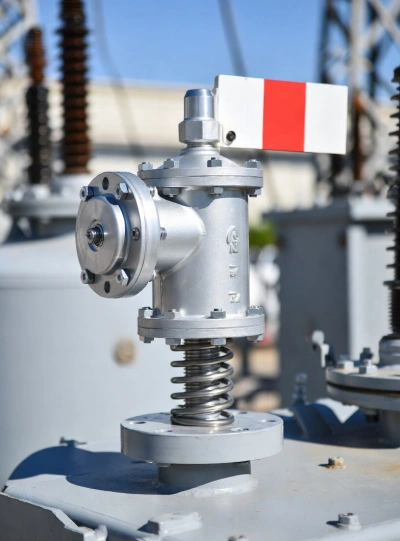
What Happens When a Transformer Has No Pressure Relief Device?
Many new engineers underestimate how quickly pressure can build inside an oil-filled transformer.
Under severe fault conditions:
- Electrical arcing decomposes transformer oil.
- Gas is generated rapidly.
- Internal pressure rises within seconds.
- The tank becomes a pressure vessel.
Without a functioning PRD, consequences may include:
Oil Tank Deformation
The tank walls may bulge permanently.
Fuite d'huile
Damaged welds and gaskets may release transformer oil.
Risque d'incendie
Escaping oil can ignite when exposed to hot surfaces or arcs.
Complete Transformer Failure
In extreme cases, the transformer becomes economically irreparable.
A PRD acts as the final mechanical protection layer before these events occur.
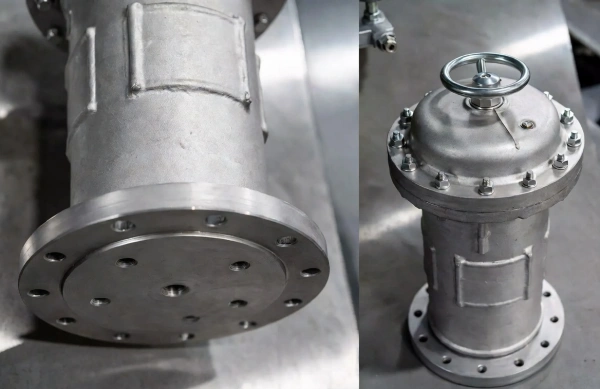
How Does a Transformer Pressure Relief Device Work?
Instead of allowing pressure to continue rising, the PRD opens automatically once a preset pressure threshold is reached.
The device then:
- Releases excess gas and oil pressure.
- Protects the transformer tank.
- Prevents structural damage.
- Sends alarm or trip signals if equipped with contacts.
The operating cycle usually lasts only a few seconds.
Once pressure returns to normal, the valve automatically reseats.
Transformer Pressure Relief Device vs Buchholz Relay
One of the most common questions from buyers is:
“Do I need both a Buchholz Relay and a Pressure Relief Device?”
The answer is yes.
| Fonctionnalité | Relais Buchholz | Dispositif de décompression |
|---|---|---|
| Detects Gas Accumulation | Oui | Non |
| Detects Minor Internal Faults | Oui | Non |
| Releases Excess Pressure | Non | Oui |
| Protects Against Tank Rupture | Non | Oui |
| Sends Alarm Signals | Oui | Facultatif |
Think of the Buchholz relay as an early-warning system.
Think of the PRD as the emergency safety valve.
Both devices perform different but complementary protection functions.
PRD Selection Chart for Different Transformer Sizes
One issue frequently encountered during international procurement is selecting a PRD based solely on flange dimensions.
This approach is risky.
The operating pressure should always match the transformer design.
| Transformer Rating | Typical PRD Setting |
|---|---|
| Jusqu'à 500 kVA | 0.2 bar |
| 500 kVA – 5 AMIU | 0.35 bar |
| 5 MVA – 20 AMIU | 0.5 bar |
| Au-dessus de 20 AMIU | 0.5–0.7 bar |
| Special Applications | Custom Design |
Important: Final settings should always follow transformer design calculations and project specifications.
Le 7 Questions Every Buyer Should Ask Before Purchasing
1. What Is the Operating Pressure?
This is the single most important specification.
2. Does the Device Include Alarm Contacts?
Many utility projects require SCADA integration.
3. Does It Include Trip Contacts?
Certain substations require automatic transformer shutdown after PRD activation.
4. What Material Is Used?
Common choices include:
- Cast Aluminum
- Aluminum Alloy
- Acier inoxydable
For coastal projects, stainless steel is often preferred.
5. Has the Device Been Pressure Tested?
Toujours demander:
- Factory test reports
- Calibration records
- Inspection certificates
6. Is the Supplier Experienced in Transformer Accessories?
A supplier specializing in transformer components typically understands utility requirements better than a generic valve manufacturer.
7. Can Spare Parts Be Supplied Later?
This becomes critical for long-term maintenance contracts.
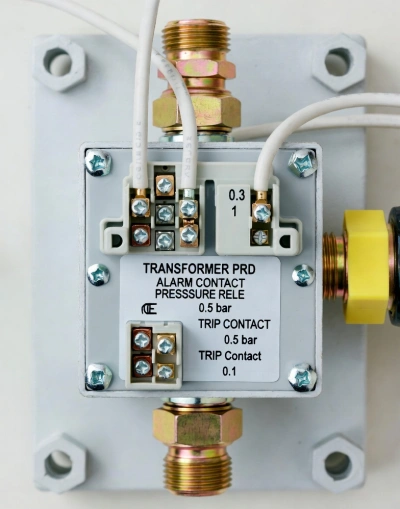
Real Project Example: A Costly Specification Mistake
In one international transformer project, the EPC contractor ordered pressure relief devices based solely on the mechanical drawing.
The flange dimensions matched perfectly.
Cependant, the operating pressure was incorrect.
After commissioning, several PRDs activated during routine load fluctuations, causing oil leakage alarms and unnecessary maintenance interventions.
The issue was eventually traced to the pressure setting mismatch.
The replacement cost of the devices was relatively small.
The project delay and maintenance expenses were not.
The lesson:
Never purchase a transformer PRD based only on dimensions.
IEC Requirements Buyers Should Understand
Many tender documents reference IEC standards but do not explain what buyers should verify.
At minimum, request confirmation of:
Pressure Calibration Accuracy
Ensures consistent operation.
Mechanical Strength
Ensures reliable performance during fault conditions.
Contact Reliability
Critical for remote monitoring systems.
Corrosion Resistance
Particulièrement important pour les installations extérieures.
Chinese Manufacturers vs European Brands
This is a question many overseas buyers ask.
The reality is more nuanced than price alone.
| Facteur | European Brands | Qualified Chinese Manufacturers |
|---|---|---|
| Prix | Plus haut | Inférieur |
| Délai de mise en œuvre | Longer | Usually Faster |
| Personnalisation | Limité | Flexible |
| OEM Support | Limité | Fort |
| Project Documentation | Fort | Varies by Supplier |
For many EPC and transformer OEM projects, qualified Chinese manufacturers can provide equivalent functionality when supported by proper testing and documentation.
The key is supplier qualification—not country of origin.
Common Failure Modes and How to Prevent Them
Seal Aging
Solution:
Regular inspection and replacement schedules.
Corrosion
Solution:
Select stainless steel versions in harsh environments.
Contact Failure
Solution:
Periodic electrical testing.
Incorrect Pressure Settings
Solution:
Verify specifications before shipment.
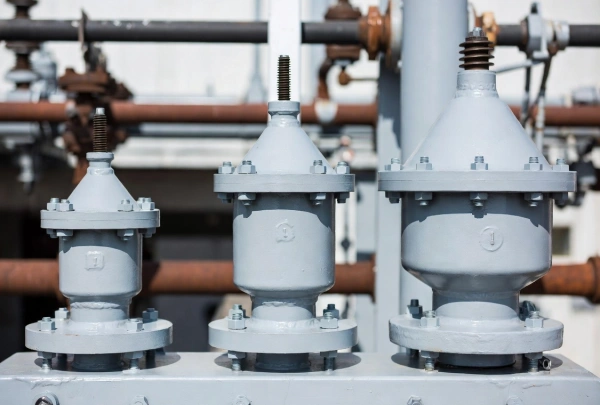
Procurement Checklist
Before approving a purchase order, verify:
✅ Pressure setting
✅ Flange size
✅ Material
✅ Alarm contacts
✅ Trip contacts
✅ Test reports
✅ IEC compliance
✅ Spare part availability
✅ Supplier experience
✅ Warranty terms
If these ten items are confirmed, procurement risk is dramatically reduced.
Pensées finales
UN dispositif de décompression du transformateur may represent less than 0.1% of the total transformer cost, but it plays a critical role in protecting one of the most valuable assets in any power system.
Pour les services publics, Entrepreneurs EPC, and transformer manufacturers, proper PRD selection should never be treated as a routine purchasing decision.
Choosing the correct pressure relief device today can help prevent equipment damage, operational downtime, and costly failures tomorrow.
ARTICLES CONNEXES
Pourquoi les pannes de transformateur coûtent des millions – et le 7 Des accessoires qui évitent les dommages catastrophiques

Comment fonctionne le calculateur de contrôle de phase transitoire des thyristors
La combinaison et les perspectives de marché des transformateurs immergés dans l’huile et de la technologie de l’intelligence artificielle
Comment entretenir et entretenir le thyristor 3P4MH?

Régulateur d'angle de phase contrôlé par thyristors (TCPAR): la solution innovante pour la régulation de puissance
