


Soláthraí Comhpháirteanna Leictreonacha | Claochladáin, Ionduchtóirí, Inverters


Siopaí beir leat eochair
- A transformer oil level indicator shows whether the insulating oil is within the safe operating range.
- Low oil level can expose windings, leading to insulation breakdown and catastrophic failure.
- High oil level may cause overpressure and oil leakage, damaging the transformer seal.
- Common types include magnetic, glass tube, and electronic indicators, each with specific advantages.
- Regular inspection and calibration of the indicator help extend transformer life and improve reliability.
What Is a Transformer Oil Level Indicator?
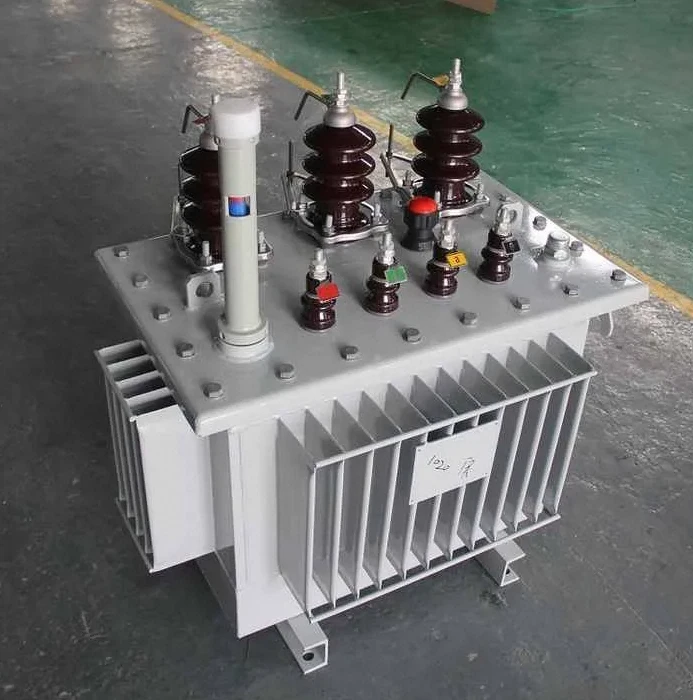
A transformer oil level indicator, mounted on the transformer tank, shows the current oil level inside the main tank or conservator. It provides a visual or electronic reading of whether the oil is within the safe operating range. Since transformer oil serves as both an insulator and a coolant, maintaining the correct level is essential for reliable performance and safety.
When the oil level drops too low, active parts may be exposed to air, increasing the risk of partial discharge or flashover. An oil level indicator acts as a first-line warning system, allowing operators to spot leaks or temperature-related expansion before they lead to serious faults. In modern designs, the indicator often connects to alarms or remote monitoring systems, making it a key component for both routine inspection and automated safety response.
Key Components and Working Principle
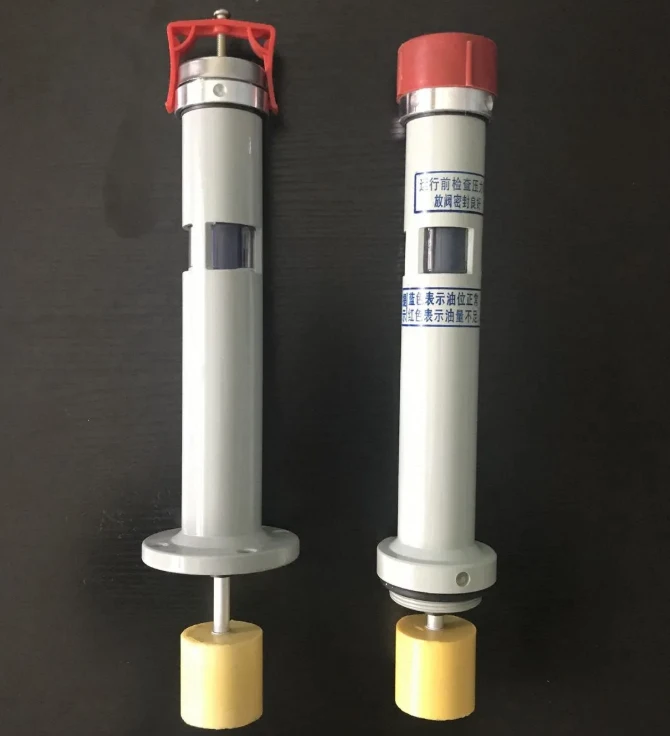
Most transformer oil level indicators use a float mechanism inside the conservator that rises and falls with the oil surface. The float is mechanically linked to a dial or a magnetic coupling that drives the external pointer. Some designs use a magnetic flap or a glass tube with a colored ball, while others employ electronic sensors for remote monitoring. All types share the same core function: to translate the physical oil level into a readable signal.
The indicator is typically calibrated to show three zones: a green (slán) zone in the middle, a yellow (caution) zone near the edges, and a red (aláram) zone at the extremes. When the pointer enters the red zone, it triggers an electrical contact that sends an alarm to the control room. This mechanism helps prevent overfilling and underfilling, each of which can compromise transformer integrity.
| Comhpháirt / Gné | Cur síos |
|---|---|
| Float mechanism | Rises and falls with oil level; drives the indicator pointer via mechanical or magnetic linkage. |
| Dial or scale | Shows safe, caution, and alarm zones; may include temperature-correction marks. |
| Magnetic coupling | Transfers float movement to external pointer without leaking oil. |
| Electrical contacts | Trigger alarm or trip signals when level reaches extreme zones. |
| Caomhnóir | Expansion tank that holds the oil; indicator measures level relative to it. |
Why the Oil Level Indicator Is Critical for Transformer Safety
Oil level directly affects two vital transformer functions: insulation and heat dissipation. If the level falls below the top of the windings, the exposed winding surfaces are no longer immersed in oil, reducing the dielectric strength of the insulation system and increasing the risk of electrical breakdown and transformer bushing overheating problems. In severe cases, a low oil level can lead to a catastrophic fault such as an arc flash or tank rupture.
Os a choinne sin, an excessively high oil level can increase internal pressure as the oil expands with load heating. This may force oil out through gaskets or cause the conservator to overflow, potentially damaging the sealing system and leading to oil leaks. The indicator helps maintain the oil level within the designed expansion range, which is especially important in transformers that undergo large temperature swings.
In addition to preventing immediate failures, a properly working indicator extends transformer service life by enabling timely maintenance. Sin é, small leaks or gradual oil loss could go unnoticed for months, allowing moisture and oxygen to contaminate the oil and accelerate insulation aging. The indicator thus supports the long-term reliability of the entire power system.
Common Types of Transformer Oil Level Indicators
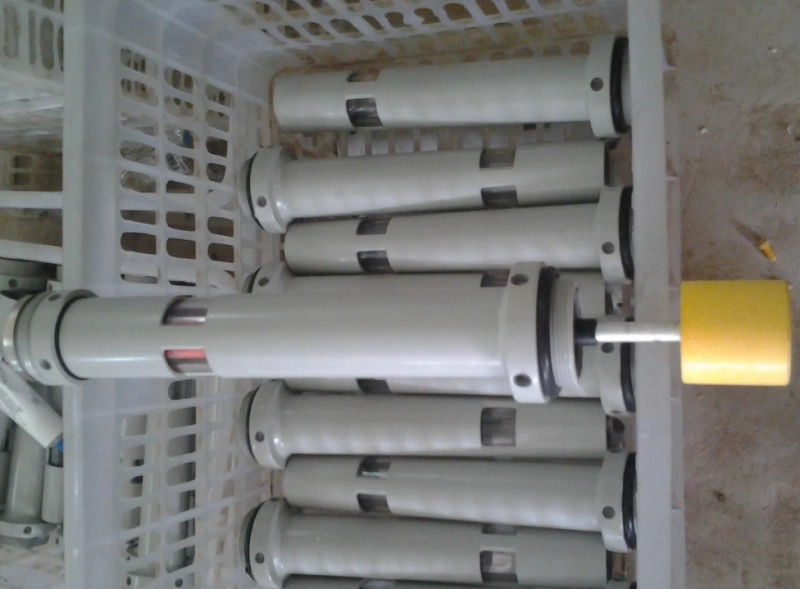
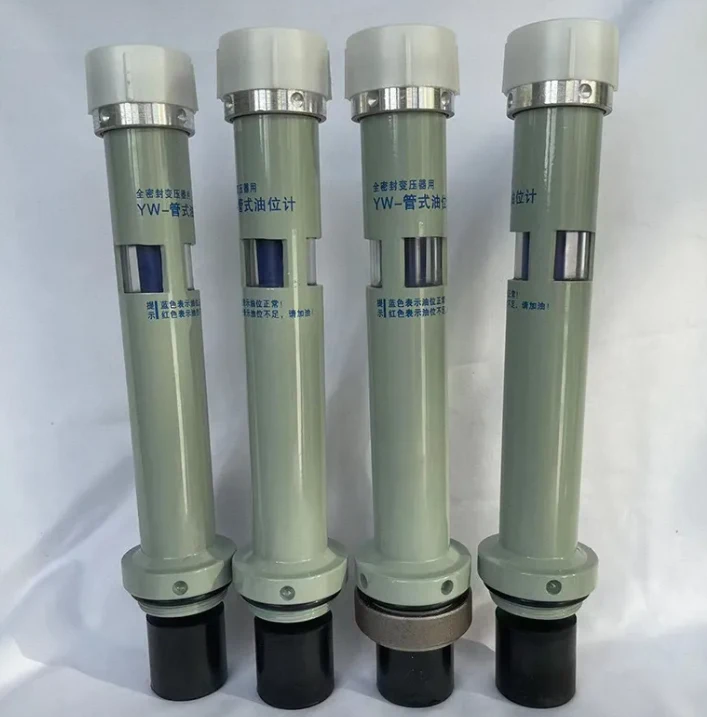
The magnetic oil level indicator is the most common type. It uses a magnetic coupling between the float and the external pointer, isolating the internal oil from the outside environment and reducing leakage risk. Another widely used type is the glass tube indicator, which offers a direct visual check but is more fragile and susceptible to contamination. For remote monitoring, electronic level transmitters with 4–20 mA output are preferred, as they allow integration with SCADA systems.
Magnetic indicators are robust and reliable but may require periodic calibration. Glass tube indicators are simple and inexpensive but can break under mechanical stress. Electronic transmitters offer high accuracy and remote communication but depend on a power supply and may fail during a blackout if not backed up. An rogha idir magnetic vs float type indicators depends on transformer size, operating environment, and maintenance philosophy.
Maintenance and Calibration Considerations
For the oil level indicator to function correctly, regular visual inspection should be part of the transformer maintenance routine. The pointer or liquid level should be checked against the temperature-correlated oil level chart provided by the manufacturer. Any discrepancy may indicate a stuck float, a leaking mechanism, or a change in oil volume. Calibration should be performed after any major oil addition or conservator repair; silica gel breather quality control is also critical.
In cold climates, monitor the oil level indicator more frequently because oil contracts in low temperatures, which can show a lower level that may still be acceptable. Operators need to understand the relationship between oil temperature and volume to avoid false alarms. Modern indicators often include a temperature-compensated scale or a correction table to simplify this interpretation.
Ceisteanna coitianta
How often should a transformer oil level indicator be checked?
It should be checked at least weekly during normal operation, and daily during periods of heavy load or extreme temperature changes. Any sudden change in level should be investigated immediately.
Can a faulty oil level indicator cause a transformer failure?
Tá, if the indicator gives a false reading, the operator may not detect an actual low or high oil level, which can lead to insulation breakdown, róthéamh, or overpressure. Regular calibration is essential to avoid this risk.
What is the difference between a magnetic and a glass tube oil level indicator?
A magnetic indicator uses a sealed magnetic coupling to drive the external pointer, offering a leak-proof design. A glass tube indicator allows direct visual observation of the oil level but is more prone to breakage and contamination.
Does the oil level change with transformer load?
Tá, as the transformer load increases, the oil temperature rises and volume expands, causing the level to rise. The indicator reading should be interpreted using the temperature-correction curve provided by the manufacturer.
Luoyang Datang Energy Technology Co., Teo. Is fiontar ardteicneolaíochta é R&D, déantúsaíocht agus soláthar trealaimh chumhachta amhail claochladáin, comhpháirteanna fuinnimh nua, caibinéid dáileacháin agus inverters. Le nuálaíocht teicneolaíochta mar chroílár, dírímid ar réitigh chumhachta ard-iontaofachta agus ardfheidhmíochta a chruthú chun freastal ar chustaiméirí domhanda. Le córas rialaithe cáilíochta dian agus deimhniú caighdeánach idirnáisiúnta, leanaimid ar aghaidh ag aschur táirgí den scoth agus cuirimid ar chumas custaiméirí córais chumhachta atá sábháilte agus cobhsaí a thógáil.
POSTAÍ GAOLMHARA

Conas a rialaíonn an rialtóir cumhachta thyristor trí chéim?
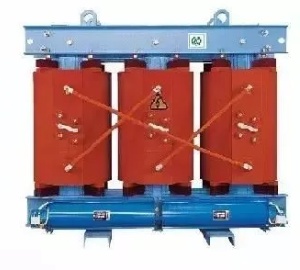
Claochladáin Dáileadh Cumhachta: Cnámh droma na Greille Leictreach Nua-Aimseartha

Ról agus modh feidhmithe an Mhodúil Iomarcaíochta Dé-óid maidir le dóchúlacht teip córais a laghdú agus iontaofacht trealaimh a fheabhsú

Cáblaí Cumhachta Fomhuirí: Cáblaí Cumhachta Todhchaí Iompar Fuinnimh Dhomhanda – Buntáistí agus Buntáistí Teicneolaíochta

Aisghabháil Fast vs. Dé-óid Aisghabhála Bog: Cad é an Difríocht?
