


Soláthraí Comhpháirteanna Leictreonacha | Claochladáin, Ionduchtóirí, Inverters


Trasfhoirmeoir Reatha Ardvoltais
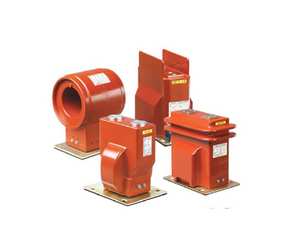
Trasfhoirmeoir Ardvoltais Ferrite Core Electric Power Trasfhoirmiú Trasfhoirmeoir Reatha Ard-Minicíocht
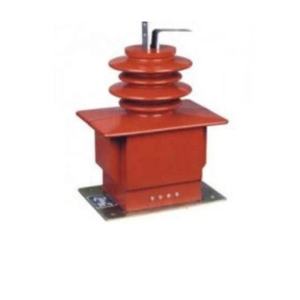
24W 12V AC/DC Soláthar Cumhachta Aistrithe Inchoigeartaithe Ardchumhacht 200-240VAC Adaptor Cumhachta Trasfhoirmeoir Voltais Reatha Ábhar PC 1A
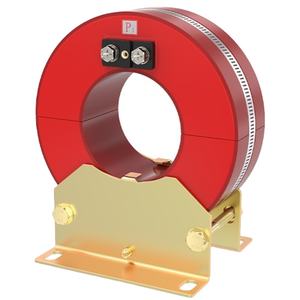
Sonraíochtaí Trasfhoirmeoir Leithlisiú Reatha Ard-Chás Aonair Customizable Íseal Voltas Ard Trasfhoirmeoir Reatha
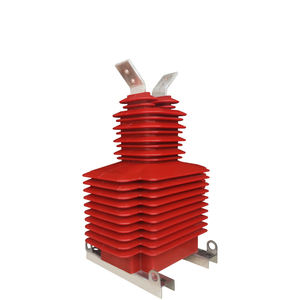
45-6800kVA 12kV 15kV 24kV 36kV Ionchur Saincheaptha Deimhnithe UL Fostáisiún Dlúth Trasfhoirmeoir Cumhachta Pad-suiteáilte
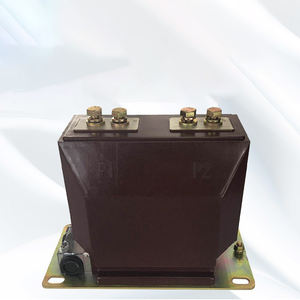
China High Voltage Current 110 Volta 220 Volta 12V DC 240V AC Tiontaire Trasfhoirmeoirí Athrú Claochladáin SMPS
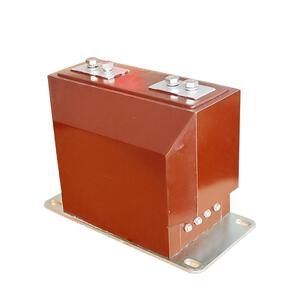
Trasfhoirmeoir Leithlisithe Aon Phas Sciath Ceadaithe CE/ISO le Díolúine Torainn 110V/220V/380V Roghanna Voltais Aschuir
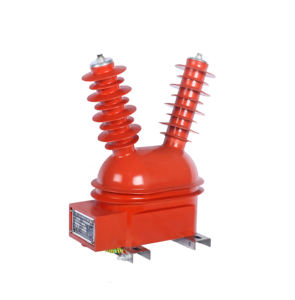
11kV Trasfhoirmeoir Reatha CT Seicheamh Trí Chéim Nialais Ardvoltais le Minicíocht 50Hz

400 500kva 630 kva 1500 Kva Ionchur Aschur 50/60Hz Trí Chéim Trasfhoirmeoir Dáileadh Tumtha Ola
Leictreachas Ardvoltais AC/DC 24v-36v Soláthar Cumhachta a Athrú 1.2A-2A Trasfhoirmeoir Reatha Ard 32Volta 2Amp
24kV Braiteoir Reatha Ardvoltais Coil Rogowski Tóraigh Solúbtha Trasfhoirmeoir Reatha Toroidal
S11/S13 Sraith Iomlán 50-5000KVA Trasfhoirmeoirí Trí Chéim Ardvoltais Claochladáin Reatha Beaga Ardvoltais
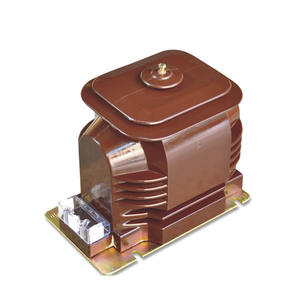
Trasfhoirmeoir Reatha Ardvoltais laistigh/lasmuigh &Trasfhoirmeoir Voltas, Trasfhoirmeoir Féideartha CT, PT
Forbhreathnú ar an gClaochladán Reatha Ardvoltais
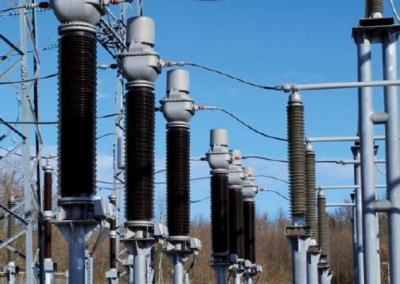
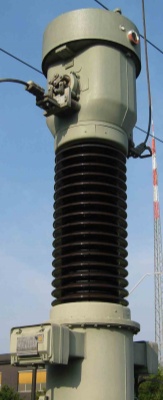
Claochladáin srutha ardvoltais (CTanna) riachtanach claochladáin ionstraim a úsáidtear i gcórais chumhachta leictreach chun sruthanna arda a thomhas agus a fhaire go sábháilte. Tiontaíonn siad leibhéil arda reatha i línte tarchuir isteach comharthaí comhréireacha íseal-srutha is féidir le méadar a úsáid, athsheachadáin cosanta, agus trealamh monatóireachta.
Úsáidtear na claochladáin seo go forleathan i stáisiúin chumhachta, fostáisiúin leictreacha, agus líonraí tarchurtha ardvoltais, ag cinntiú tomhas reatha cruinn agus cosaint iontaofa trealaimh chórais chumhachta.
Conas a Oibríonn Claochladáin Reatha Ardvoltais
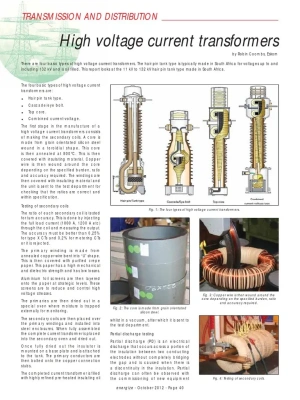
High-Voltage Current Transformers
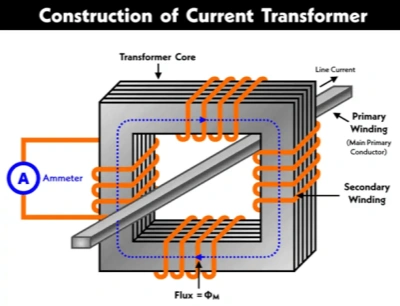
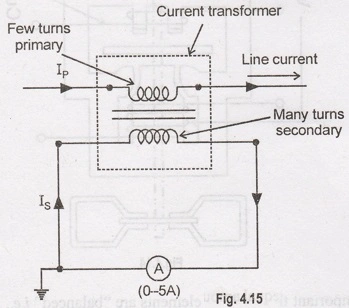
Claochladáin srutha ardvoltais (CTanna) operate based on the principle of ionduchtú leictreamaighnéadach, converting large primary currents in high-voltage power systems into smaller, standardized secondary currents that can be safely measured and monitored.
The current transformer provides electrical isolation between the high-voltage primary circuit and the low-voltage measurement and protection equipment. It is therefore an important component in power-system measurement, monatóireacht, smacht, agus cosaint.
| Comhpháirt | Feidhm |
|---|---|
| Príomhsheoltóir | Carries the high current from the power system and generates the primary magnetic field. |
| Croí Maighnéadach | Provides a low-reluctance path for magnetic flux and improves electromagnetic coupling between the primary and secondary circuits. |
| Foirceannadh Tánaisteach | Produces a reduced current proportional to the primary current for measurement and protection purposes. |
| Córas Inslithe | Provides electrical insulation between high-voltage conductors and grounded or low-voltage components. |
| Tithíocht Chosanta | Protects the internal components from mechanical damage, taise, deannach, agus coinníollacha comhshaoil. |
| Terminal / Connection System | Provides reliable electrical connections between the secondary winding and external measuring or protection equipment. |
| Shielding and Grounding Components | Help control electric-field distribution and improve operational safety and insulation performance. |
Operating Principle
When an alternating current flows through the primary conductor, it produces an alternating magnetic flux in the magnetic core. According to Faraday's law of electromagnetic induction, this changing magnetic flux induces a voltage in the secondary winding.
Under normal operating conditions, the secondary current is approximately proportional to the primary current according to the transformer turns ratio:
where:
- = primary current
- = secondary current
- = number of primary turns
- = number of secondary turns
Mar shampla, a CT rated 1000/5 A is designed to produce approximately 5 A of secondary current when the primary current is 1000 A.
Standard Secondary Output
Is é an t-aschur reatha tánaisteach tipiciúil 1 A or 5 A, allowing conventional measuring instruments, athsheachadáin chosanta, méadar, and monitoring devices to process high primary currents without being directly connected to the high-current circuit.
Compared with 5 A systems, 1 A secondary CTs can reduce transmission losses and voltage drop in long secondary wiring, making them particularly useful where the distance between the CT and monitoring equipment is relatively large.
Main Applications
High-voltage current transformers are widely used in:
- Power-system current measurement
- Overcurrent and short-circuit protection
- Differential protection
- Transformer protection
- Busbar protection
- Energy metering
- Substation monitoring and automation
- Grid fault detection and analysis
Depending on the application, CTs can be designed with different accuracy classes and characteristics. Metering CTs emphasize measurement accuracy over the normal operating range, agus protection CTs are designed to maintain suitable performance during high fault currents.
Key Performance Parameters
Important specifications of a high-voltage CT typically include:
| Paraiméadar | Cur síos |
|---|---|
| Rated Primary Current | The primary current for which the CT is designed. |
| Rated Secondary Current | De ghnáth 1 A or 5 A. |
| Transformation Ratio | Defines the relationship between primary and secondary current. |
| Rang Cruinneas | Indicates the allowable measurement error under specified conditions. |
| Ualach Rátáilte | The load that can be connected to the secondary while maintaining specified performance. |
| Leibhéal Inslithe | Defines the CT's ability to withstand specified voltage and transient stresses. |
| Minicíocht | Usually designed for the power-system operating frequency, ar nós 50 nó 60 Hz. |
| Short-Time Thermal Current | The maximum fault current the CT can withstand for a specified short duration. |
| Rated Dynamic Current | Indicates the CT's ability to withstand the mechanical forces associated with high fault currents. |
Safety Consideration
One of the most important characteristics of a current transformer is that its secondary circuit should not normally be left open while current is flowing in the primary circuit. An open secondary can result in a dangerously high secondary voltage and may cause insulation failure, damáiste trealaimh, nó turraing leictreach.
Ar an gcúis seo, CT secondary circuits are normally connected to an appropriate measuring or protection circuit, agus shorting terminals or test blocks are commonly provided for maintenance and testing.
Achoimre
In modern high-voltage power systems, current transformers serve as an important interface between high-current power circuits and low-level measurement and protection systems. By using electromagnetic induction, they provide accurate current transformation, electrical isolation, and compatibility with standardized protection and monitoring equipment. Their performance depends not only on the transformation ratio but also on core design, insulation structure, accuracy class, burden, saturation characteristics, and short-circuit withstand capability.t output is 1A nó 5A, is féidir a thomhas go sábháilte le feistí monatóireachta.
Cineálacha Trasfhoirmeoirí Reatha Ardvoltais
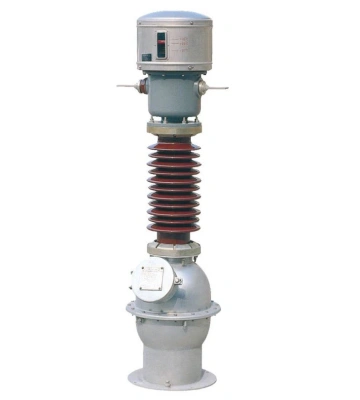
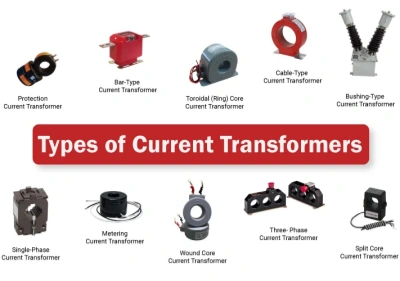
- Trasfhoirmeoir Reatha Tumtha Ola – Úsáidtear é i bhfostáisiúin ardvoltais lasmuigh.
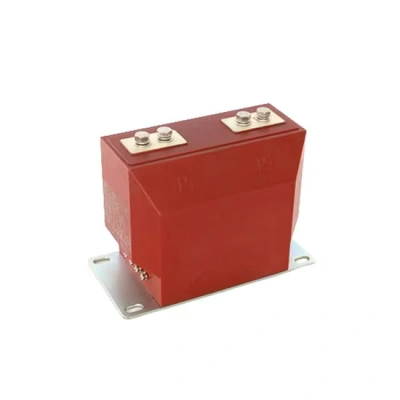
- Roisín Teilgthe Trasfhoirmeoir Reatha – Oiriúnach do chórais lascthrealamh laistigh.
- Cineál Fáinne Trasfhoirmeoir Reatha – Suiteáilte timpeall seoltóirí le haghaidh tomhais.
- Trasfhoirmeoir Ionstraim Lasmuigh – Deartha do líonraí tarchurtha ardvoltais.
Buntáistí Trasfhoirmeoirí Reatha Ardvoltais
- Tomhas Reatha Cruinn chun monatóireacht a dhéanamh ar chórais chumhachta
- Cosaint Feabhsaithe le haghaidh trealamh leictreach agus ciorcaid
- Ard Neart Inslithe le haghaidh feidhmchláir ardvoltais
- Oibríocht Iontaofa i bhfostáisiúin agus córais tarchurtha
- Dearadh Dlúth agus CRUA
Próifíl na Cuideachta
Luoyang Datang Energy Technology Co., Teo. Is fiontar ardteicneolaíochta é R&D, déantúsaíocht, agus soláthar trealaimh chumhachta agus réitigh fuinnimh in-athnuaite. Speisialtóireacht i claochladáin, comhpháirteanna fuinnimh nua, caibinéid dáileacháin, agus inverters, tá ár bpunann leathnaithe againn chun córais chumhachta gréine a chuimsiú, réitigh stórála fuinnimh, agus caidéil teasa foinse aeir. Le nuálaíocht teicneolaíochta mar ár gcroílár, dírímid ar réitigh chumhachta agus éifeachtúlachta fuinnimh ard-iontaofachta agus ardfheidhmíochta a chruthú chun freastal ar chustaiméirí domhanda. Trí chóras rialaithe cáilíochta dian agus deimhniú caighdeánach idirnáisiúnta, Déanaimid táirgí den scoth a sheachadadh go leanúnach a chumasaíonn ár gcustaiméirí sábháilte a thógáil, cobhsaí, agus córais chumhachta inbhuanaithe.
Más mian leat ard-chaighdeán, claochladán reatha ardvoltais soláthraí, tugaimid cuireadh duit teagmháil a dhéanamh linn nó fiosrúchán a dhéanamh faoi tháirgí gaolmhara.
Modhanna Íocaíochta le haghaidhArd-Voltas Trasfhoirmeoir Reatha
L/C, T/T, Aontas Iarthar, Paypal, Cárta Creidmheasa etc.
Loingseoireacht deArd-Voltas Trasfhoirmeoir Reatha
Nuair a fhaightear an íocaíocht, cois farraige, aer, nó a chur in iúl a luaithe is féidir.
Ceisteanna Coitianta maidir le Trasfhoirmeoir Reatha Ardvoltais
1. Cad is claochladán reatha ann (CT)?
A current transformer (CT) is an instrument transformer designed to convert high primary currents into smaller, standardized secondary currents for safe measurement, monatóireacht, agus cosaint.
CTs provide electrical isolation between the high-voltage power circuit and low-voltage measuring or protection equipment, allowing meters and protective relays to monitor system current without being directly connected to the high-current conductor.
2. How does a high-voltage current transformer work?
A high-voltage CT operates according to the principle of ionduchtú leictreamaighnéadach. When alternating current flows through the primary conductor, it generates a changing magnetic flux in the CT core.
This changing magnetic flux induces a current in the secondary winding. The secondary current is proportional to the primary current according to the transformer's turns ratio.
Mar shampla, a 1000/5 A CT produces approximately 5 A of secondary current when the primary current reaches 1000 A.
3. Cá n-úsáidtear CTanna ardvoltais?
High-voltage current transformers are commonly installed in:
- Fostáisiúin leictreacha
- Gléasraí giniúna cumhachta
- Transmission and distribution systems
- High-voltage switchgear
- Transformer protection systems
- Industrial power networks
- Grid monitoring and automation systems
They can be used for both continuous current measurement agus fault-current detection.
4. Cad é sruth tánaisteach caighdeánach CT??
The most common standardized secondary current ratings are 1 A and 5 A.
A 5 A secondary output has traditionally been widely used in conventional protection and metering systems. A 1 A secondary output can be advantageous when the CT is installed far from the measuring or protection equipment because it can reduce losses and voltage drop in the secondary wiring.
The appropriate secondary rating should be selected according to the connected equipment and system design.
5. What does a CT ratio mean?
The CT ratio describes the relationship between the rated primary current and the rated secondary current.
Mar shampla:
- 200/5 A → 200 A primary corresponds to 5 A secondary
- 600/5 A → 600 A primary corresponds to 5 A secondary
- 1000/1 A → 1000 A primary corresponds to 1 A secondary
Selecting the appropriate ratio is important for achieving accurate measurement and ensuring that protection equipment operates correctly.
6. Cén fáth a bhfuil CTanna tábhachtach i gcórais chumhachta?
CTs allow high currents in electrical networks to be measured without directly connecting measurement instruments to high-current conductors.
They are important because they provide:
- Current measurement
- Electrical isolation
- Brath lochtanna
- Overcurrent protection
- Energy metering
- System monitoring
- Protection relay inputs
Mar thoradh air sin, CTs play an important role in maintaining the iontaofacht, sábháilteacht, and controllability of high-voltage electrical systems.
7. Can high-voltage CTs be used for protection relays?
Tá. Current transformers are widely used with athsheachadáin cosanta.
During abnormal conditions such as short circuits or severe overloads, the CT provides a current signal to the protection relay. The relay analyzes the signal and can initiate the appropriate circuit-breaker operation to isolate the fault.
Protection CTs are generally designed with characteristics suitable for maintaining reliable performance during high fault currents.
8. What is the difference between metering CTs and protection CTs?
Metering CTs and protection CTs are designed for different purposes.
Metering CTs are optimized for high accuracy within their specified measurement range and are commonly connected to electricity meters and monitoring instruments.
Protection CTs are designed to provide an appropriate current signal to protective relays, particularly during fault conditions when the primary current can become many times higher than its normal operating value.
The selection between the two depends on the intended application and the requirements of the electrical protection or measurement system.
9. What is CT accuracy class?
The accuracy class indicates the allowable measurement error of a CT under specified operating conditions.
For metering applications, accuracy is particularly important because even small measurement errors can affect energy measurement and billing.
For protection applications, the CT's ability to reproduce current accurately during high fault conditions and avoid excessive saturation is particularly important.
The appropriate accuracy class should therefore be selected according to the requirements of the connected equipment and applicable standards.
10. What is CT burden?
CT burden refers to the load connected to the CT secondary circuit, generally expressed in VA at a specified power factor.
The burden can include:
- Protective relays
- Measuring instruments
- Meters
- Test equipment
- Secondary wiring
If the connected burden exceeds the CT's rated capability, measurement accuracy and protection performance may be affected. Dá bhrí sin, the CT should be selected with a suitable burden rating for the complete secondary circuit.