


इलेक्ट्रॉनिक घटक आपूर्तिकर्ता | ट्रान्सफ़ॉर्मर, कुचालक, इन्वर्टर


परिचय
Transformers are essential components in electrical power systems, कुशल वोल्टेज विनियमन और बिजली वितरण को सक्षम करना. विभिन्न प्रकारों के बीच, बिजली ट्रांसफार्मर औरवितरण ट्रांसफार्मर play critical but distinct roles. उनके मतभेदों को समझना, अनुप्रयोग, and functionalities can help industries, engineers, and energy professionals optimize electrical infrastructure.
पावर ट्रांसफार्मर क्या है?
एसत्ता स्थानांतरण is a high-capacity device used primarily inट्रांसमिशन नेटवर्क to step up or step down voltage levels (आम तौर पर बीच में33 केवी को 400 kV or higher). These transformers operate at near-full load capacity and are designed for maximum efficiency at high voltages.
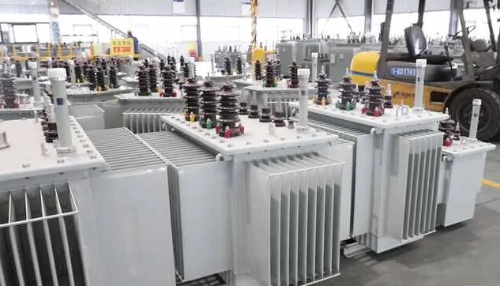
Key Features of Power Transformers:
High voltage handling (transmission-level voltages)
Large size and heavy insulation
Used in generating stations and substations
Operates at peak load efficiency
Lower frequency fluctuations (50/60 हर्ट्ज)
वितरण ट्रांसफार्मर क्या है?
एdistribution transformer is designed for the final voltage transformation in theelectrical distribution network, supplying power to end-users at usable levels (आम तौर पर11 kV/415 V or 240 वी). These transformers operate at lower loads and are optimized for consistent performance under varying demand.
Key Features of Distribution Transformers:
Lower voltage levels (नीचे 33 के.वी)
Compact and lightweight design
Used in residential, व्यावसायिक, and industrial power distribution
Designed for varying load conditions
Higher efficiency at partial loads
Key Differences Between Power and Distribution Transformers
| पैरामीटर | सत्ता स्थानांतरण | वितरण ट्रांसफार्मर |
|---|---|---|
| Voltage Level | उच्च (33 kV – 400 kV+) | कम (तक 33 के.वी) |
| आवेदन | Transmission networks, उपकेंद्रों | Local distribution, end-user supply |
| Load Capacity | Operates near full load | Operates at varying loads |
| आकार & इन्सुलेशन | बड़ा, heavily insulated | सघन, lighter construction |
| क्षमता | Optimized for high-load efficiency | Optimized for partial-load efficiency |
Applications in Electrical Networks
बिजली ट्रांसफार्मर are crucial forलंबी दूरी की विद्युत पारेषण, reducing energy losses by stepping up voltage at generation stations and stepping down at substations.
वितरण ट्रांसफार्मर ensuresafe voltage delivery to homes, कारखाने, and businesses, maintaining stable power supply despite fluctuating demand.

निष्कर्ष
While bothबिजली ट्रांसफार्मर औरवितरण ट्रांसफार्मर are vital for electricity networks, they serve different purposes.बिजली ट्रांसफार्मर handle high-voltage transmission, whereasवितरण ट्रांसफार्मर deliver power efficiently to end-users. Understanding their roles helps in designing optimized power systems for reliability and cost-effectiveness.
संबंधित पोस्ट

हाई-वोल्टेज मुख्य पावर ट्रांसफार्मर के बाजार तक पहुंचने की उम्मीद है $36.9 अरब द्वारा 2032, की चक्रवृद्धि वार्षिक वृद्धि दर के साथ 6.9%
कितनी तेजी से रिकवरी डायोड तेजी से रिकवरी हासिल करता है?

सौर ऊर्जा ट्रांसमिशन में क्रांति लाना: सौर पैनल ट्रांसफार्मर के लिए अंतिम गाइड

फोटोवोल्टिक विद्युत उत्पादन प्रणालियों में ट्रांसफार्मर: सिस्टम आर्किटेक्चर से इंजीनियरिंग चयन तक एक संपूर्ण तकनीकी गाइड

विस्फोट-प्रूफ बाईमेटेलिक थर्मामीटर के सिग्नल ट्रांसमिशन फ़ंक्शन को औद्योगिक उत्पादन सुरक्षा निगरानी के क्षेत्र में व्यापक रूप से लागू किया गया है
