इलेक्ट्रॉनिक घटक आपूर्तिकर्ता | ट्रान्सफ़ॉर्मर, कुचालक, इन्वर्टर


तेजी से परस्पर जुड़ी हुई दुनिया में, the ability to हर्ट्ज़ परिवर्तित करें has become critical for industries ranging from manufacturing and energy to consumer electronics and aerospace. ए फ्रीक कनवर्टर is not just a technical device—it is a gateway to global compatibility and operational efficiency. This comprehensive guide explores the fundamentals of frequency conversion, delves into the latest technologies, and provides practical insights on how to हर्ट्ज कनवर्ट करें effectively. Whether you are an engineer, एक व्यवसाय स्वामी, or a tech enthusiast, this article will equip you with the knowledge to navigate the complexities of frequency conversion.
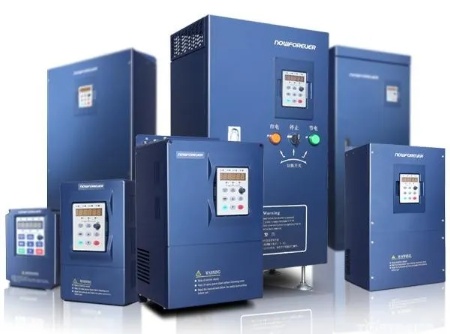
Different specifications of frequency converters
1.1 What is a Frequency Converter?
एफ्रीक कनवर्टर is an electronic device that changes the frequency of an alternating current (ए.सी) power supply. उदाहरण के लिए, it can convert 50 हर्ट्ज शक्ति (common in Europe and Asia) को 60 हर्ट्ज (used in North America) या विपरीत. This process is essential for operating equipment designed for a specific frequency in regions with different power standards.
1.2 Why is Frequency Conversion Important?
The need toहर्ट्ज़ परिवर्तित करें arises in numerous scenarios:
- Global Trade: Machinery manufactured in one region may need to operate in another with different power grid frequencies.
- नवीकरणीय ऊर्जा: Solar and wind systems often require frequency conversion to integrate with existing grids.
- Aerospace and Defense: Aircraft and military equipment use frequency converters to ensure compatibility across international operations.
- उपभोक्ता इलेक्ट्रॉनिक्स: Devices like laptops and smartphones need adaptive power systems to function worldwide.
1.3 How to Convert Hz: Methods and Technologies
1.3.1 Rotary Frequency Converters
These electromechanical devices use a motor-generator set toहर्ट्ज कनवर्ट करें. They are robust and suitable for high-power applications but are less efficient and bulkier than electronic alternatives.
1.3.2 Solid-State Frequency Converters
Modern solid-state converters use semiconductor technology (जैसे, आईजीबीटी) to convert frequency with higher efficiency, शुद्धता, और लचीलापन. They are ideal for sensitive equipment like medical devices and data centers.
1.3.3 Digital Frequency Converters
These advanced systems incorporate microprocessors and software algorithms to dynamicallyहर्ट्ज़ परिवर्तित करें while monitoring load conditions. They offer features like remote control and real-time adjustments.
1.4 Applications of Frequency Converters
- Industrial Manufacturing: Ensuring compatibility for imported machinery.
- नवीकरणीय ऊर्जा प्रणालियाँ: Converting variable frequencies from solar/wind sources to grid-compatible outputs.
- Marine and Offshore Operations: Powering equipment on ships and platforms with different frequency requirements.
- Healthcare: Operating diagnostic machines (जैसे, एमआरआई स्कैनर) across regions.
1.5 Key Considerations When Choosing a Freq Converter
1.5.1 Power Capacity
Select a converter that matches the power requirements of your equipment (जैसे, kW or MW ratings).
1.5.2 Efficiency and Losses
High-efficiency converters minimize energy losses and reduce operational costs.
1.5.3 Accuracy and Stability
Precision is critical for sensitive applications; look for converters with low harmonic distortion.
1.5.4 Environmental Factors
Consider temperature, नमी, and altitude conditions, especially for outdoor or harsh environments.
1.6 Trends and Hot Topics in Frequency Conversion
- स्मार्ट ग्रिड: Frequency converters play a vital role in modern smart grids, enabling bidirectional power flow and grid stability.
- इलेक्ट्रिक वाहन (ईवीएस): EV charging infrastructure requires frequency conversion to support global standards.
- IoT Integration: इंटरनेट ऑफ थिंग्स (IoT) technology allows remote monitoring and control of frequency converters.
- वहनीयता: Energy-efficient converters contribute to reducing carbon footprints in industrial operations.
1.7 How to Convert Hertz: A Step-by-Step Guide
- Determine Input/Output Requirements: Identify the input frequency (जैसे, 50 हर्ट्ज) and desired output frequency (जैसे, 60 हर्ट्ज).
- Select the Right Converter: Choose between rotary, solid-state, or digital models based on your needs.
- Install and Configure: Follow manufacturer guidelines for installation and calibration.
- Test and Monitor: Verify output stability and monitor performance during operation.
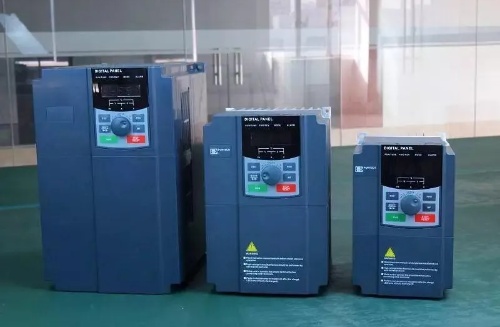
Frequency converter
निष्कर्ष
The ability toहर्ट्ज कनवर्ट करें is indispensable in our globalized economy. From enabling international trade to supporting renewable energy, freq converters are at the heart of modern technological advancements. By understanding the methods, अनुप्रयोग, and trends in frequency conversion, businesses and individuals can optimize their operations and stay ahead of the curve.
लुओयांग डेटांग एनर्जी टेक्नोलॉजी कंपनी लिमिटेड. आर को एकीकृत करने वाला एक उच्च तकनीक उद्यम है&डी, ट्रांसफार्मर जैसे बिजली उपकरणों का निर्माण और आपूर्ति, नये ऊर्जा घटक, वितरण अलमारियाँ और इनवर्टर. तकनीकी नवाचार को मूल में रखते हुए, हम वैश्विक ग्राहकों की सेवा के लिए उच्च-विश्वसनीयता और उच्च-प्रदर्शन वाले पावर समाधान बनाने पर ध्यान केंद्रित करते हैं. सख्त गुणवत्ता नियंत्रण प्रणाली और अंतरराष्ट्रीय मानक प्रमाणीकरण के साथ, हम उत्कृष्ट उत्पादों का उत्पादन जारी रखते हैं और ग्राहकों को सुरक्षित और स्थिर बिजली प्रणाली बनाने में सक्षम बनाते हैं.
संबंधित पोस्ट

असतत सेमीकंडक्टर बाज़ार USD पर प्रहार करने की राह पर है 60,760.32 मिलियन बाय 2030

सौर ऊर्जा ट्रांसफार्मर: नवीकरणीय ऊर्जा प्रणालियों में प्रमुख घटक

तेजी से रिकवरी बनाम. सॉफ्ट रिकवरी डायोड: क्या फर्क पड़ता है?
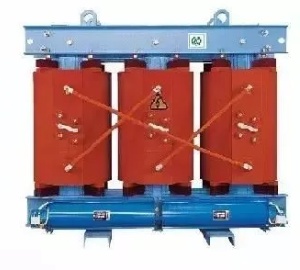
विद्युत वितरण ट्रांसफार्मर: आधुनिक विद्युत ग्रिड की रीढ़

11केवी करंट ट्रांसफार्मर गाइड - प्रकार, अनुप्रयोग & मूल्य निर्धारण